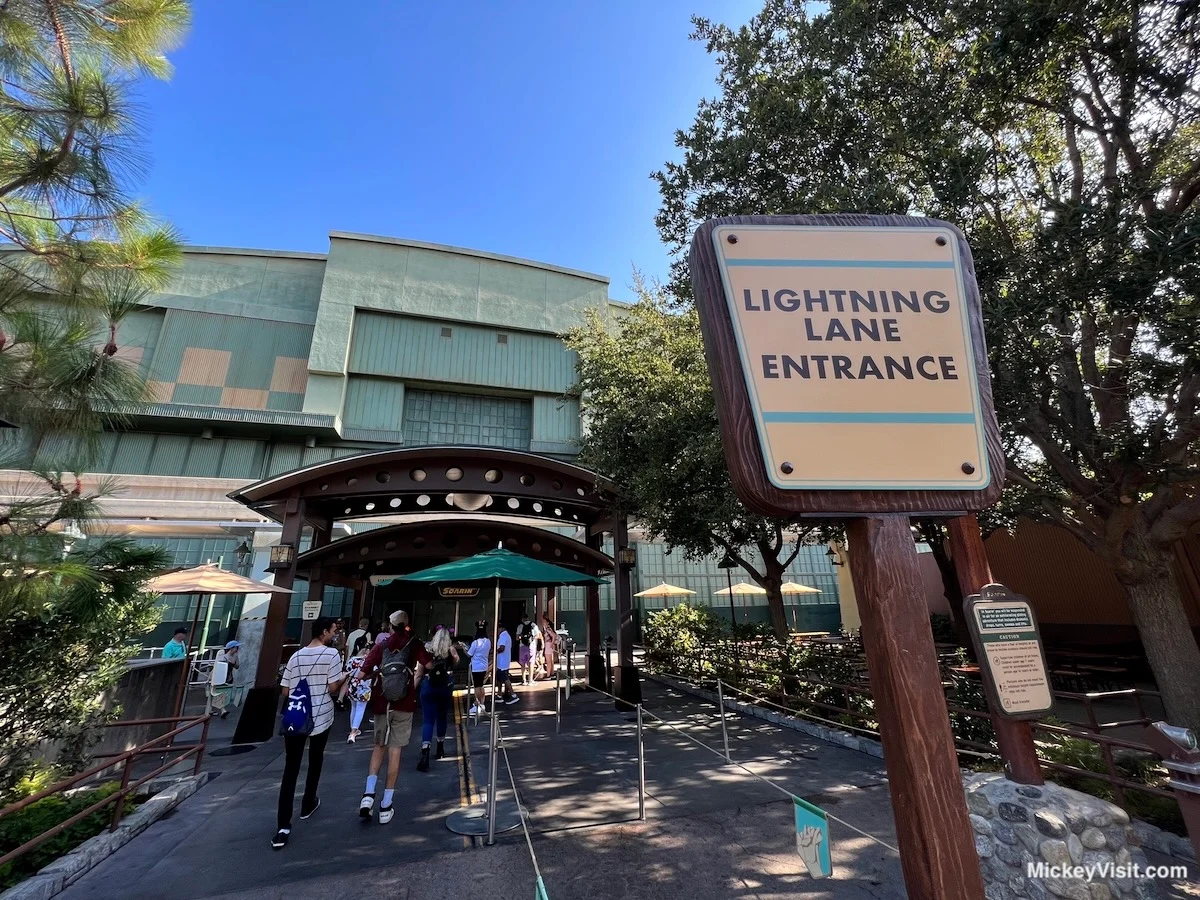
This week has brought multiple developments related to the Disability Access Service (DAS) changes at Disneyland and Walt Disney World. Just a few days ago, we learned that Disney has reversed course on previous attempts to block a shareholder proposal seeking a review of the DAS changes.
Disney has now provided a clear response, outlining when the shareholder proposal will be discussed and revealing the board’s recommendation to shareholders. This is a key update for readers following the DAS changes closely. The DAS disability pass eligibility changes, first introduced in 2024, have caused wide discussion and have continued to generate national attention.
At Mickey Visit, we report on all the recent Disney news, including the major changes at Star Wars: Galaxy’s Edge and the reopening of a fan favorite Disney World restaurant after a six year closure.
READ MORE – 11 Unwritten Rules of the Disney Parks You Really Need to Follow
DAS Shareholder Proposal Listed on Disney Shareholder Meeting Agenda
Disney World Ride Closure ALERTS, Major Park Changes, Secrets Revealed
Get alerts on closures, park changes, exclusive discounts, and free printables. Trusted by 100,000+ Disney fans & planners.
Disney filed its annual proxy statement announcing the next annual shareholder meeting for March 18, 2026, at 1 PM ET, which includes a vote for board members and an advisory vote related to executive compensation and other proposals.
What’s of most interest to those following the back and forth regarding DAS advocacy groups and Disney is the detail that the DAS shareholder proposal is listed on the meeting’s official agenda. “Independent Review and Report on Accessibility and Disability Inclusion Practices,” the official name of the shareholder proposal, will be put forth to stakeholders for a vote.
This proposal requests The Walt Disney Company to evaluate “the legal, financial, and reputational risks tied to its controversial Disability Access Service (DAS) changes.” The shareholder proposal asks Disney to commission an independent third-party review of its accessibility and disability inclusion practices, evaluating risks, comparing them against standards and competitors, and sharing the findings publicly and internally.
DAS was significantly restructured in 2024 in an effort to curb overuse, misuse, and other issues that were beginning to weaken the program’s effectiveness. As a result, many guests who were previously eligible for these accommodations became ineligible after the changes. Read more about the DAS shareholder proposal in our initial coverage.
So what will happen at the shareholder meeting? Well, shareholder proposals that are included in proxy materials will be brought to shareholders for a vote at the annual meeting. Initially, Disney sought to prevent this proposal from appearing in its proxy materials, but later withdrew that request. So we can expect a vote from shareholders at this meeting on March 18.
Disney Recommends Shareholders to Vote Against DAS Proposal
Also revealed in its proxy materials is the recommendation from Disney for shareholders to vote against the proposal. In the materials, Disney discloses that it decided to include the proposal due to recent regulatory changes, despite the assertion that it does not meet Rule 14a-8 requirements. Rule 14a-8 is a rule from the Securities and Exchange Commission that explains who can submit a shareholder proposal, how and when it must be submitted, and what types of topics can be included in a company’s proxy materials. While it may appear to be an act of goodwill, Disney’s decision to include the proposal is more likely a procedural and risk management move, even while still recommending that shareholders vote against it.
In the response, Disney argues it already has strong accessibility and disability inclusion practices in place already and that the company has been an industry leader in this area for more than 30 years, during which it has regularly reviewed and updated its approach.
The company points out the detailed public information available online and in its parks, along with a wide range of accommodations across its theme parks, media, and streaming platforms, including the Disability Access Service, captioning, audio descriptions, and other accessibility tools. Disney also emphasizes that it has robust leadership, governance, and risk oversight structures dedicated to inclusion and guest safety, which it says make an additional independent review unnecessary.
Because of this, the Board argues the proposal would not add meaningful value for shareholders and would require resources without providing new or useful information, leading it to unanimously recommend a vote against the proposal. The company also repeated its prior statements that the shareholder proposal is false and misleading.
While it is unlikely this proposal will pass – it is extremely rare for a shareholder proposal to pass when a board recommends against it – this is still a win for DAS advocacy groups. This back and forth has pushed DAS back into the spotlight and kept the conversation going, even though the changes were first introduced in 2024.
While DAS appears on the agenda, this upcoming shareholder meeting is more likely to focus on naming a successor to Bob Iger as CEO. The meeting also comes as Disney disclosed that Iger’s total compensation rose to $45.8 million in 2025, up from $41.1 million in 2024 and $31.5 million in 2023.
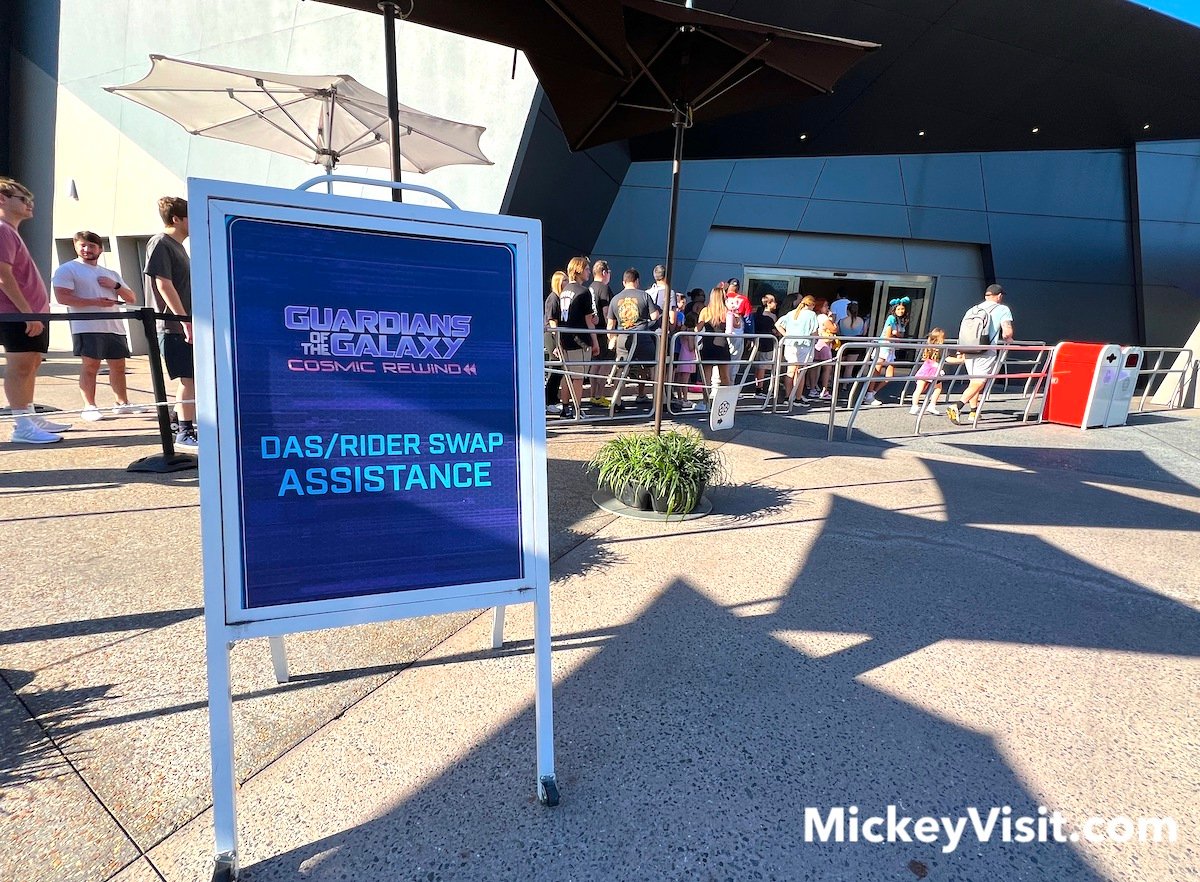
You can read the official wording from the proxy materials below from Disney’s recommendation to vote against the proposal:
The Board recommends that you vote against this proposal for the following key reasons, as discussed in more detail below:
- The Company is committed to the design and implementation of innovative and effective services that accommodate persons with disabilities and already reviews its practices on an ongoing basis. The Company has been the industry leader in accessibility for over 30 years.
- The Company provides detailed public information, tips and recommendations regarding its accessibility and disability inclusion practices, both online and in person in its theme parks.
- The Company provides strong governance and oversight of its inclusion practices, as well as risk management.
- The proposal’s request would not enhance shareholder value.
Across the Company, we endeavor to provide opportunities to enjoy our products and services. To that end, the Company has made thoughtful investments to incorporate accessibility for people with disabilities throughout our operations as we strive to design, promote and serve as a model for accessibility. The Company has given the same attention to detail in its development of the Disability Access Service program for its domestic parks, which provides an extraordinary benefit – never having to wait in the regular standby lines fo most rides for those who require that option. The Company also offers a broad range of different accommodations to assist in accessing the rides and other attractions in the parks, accessing our content and programming and experiencing our other products and services. For example, the Company offers a range of tools and accessibility features across our streaming platforms and networks, including tools such as audio descriptions, closed captioning, keyboard navigation and interoperability with popular screen readers.
The Company provides detailed information regarding accessibility and disability inclusion practices on its websites, including the publication of an Accessibility Topic Brief. Each of our theme parks also publicly provides thorough information about its accommodations and assists guests both before and during their visits. For our domestic theme parks, Disneyland Resort and Walt Disney World Resort, this includes pages on the Disability Access Service program with guidance on registration and the process for using the program once in one of the parks.
The Company has strong governance and oversight of both its accessibility efforts and risk management. Our Senior Executive Vice President and Chief People Officer leads Disney’s global people and culture strategy: talent acquisition and development compensation and benefits; opportunity and inclusion; organizational effectiveness; and employee services and systems. Reporting to our Chief People Officer, our Senior Vice President and Chief Opportunity & Inclusion Officer leads the Company’s Opportunity Inclusion strategy and partners closely with leaders and teams across all segments to foster a culture rooted in belonging. The Chief Safety Officer leads the Company’s guest safety efforts for Disney Experiences, including those related to guest accessibility, in collaboration with businesses and leaders across the Company. The Board and its committees oversee the Company’s major financial, legal and reputational risks, supporting strong brand stewardship and mitigation of such risks. See section entitled “The Board’s Role in Risk Oversight” in this proxy statement for more details.
The Company already details the support and accommodations it offers to guests and consumers with accessibility needs, as well as risk oversight practices and governance. The Board therefore believes that the proposal’s request is not in the best interests of the Company and its shareholders as it would not provide meaningful additional information to shareholders to merit the resources it would require.
For the reasons set forth above, our Board unanimously recommends voting AGAINST this.
READ MORE – Hidden Details on Disneyland Rides That You Will Completely Miss if You Don’t Know Where to Look
Don’t Miss the Latest Disney News
Don’t miss the latest Disneyland and Disney World news from Mickey Visit. Join the FREE Mickey Visit newsletter that over 100k readers receive every single week. Mickey Visit is here to help you save money and experience more during your Disney and Universal vacation. See the Mickey Visit guide to Disneyland and the Mickey Visit guide to Disney World for tips.