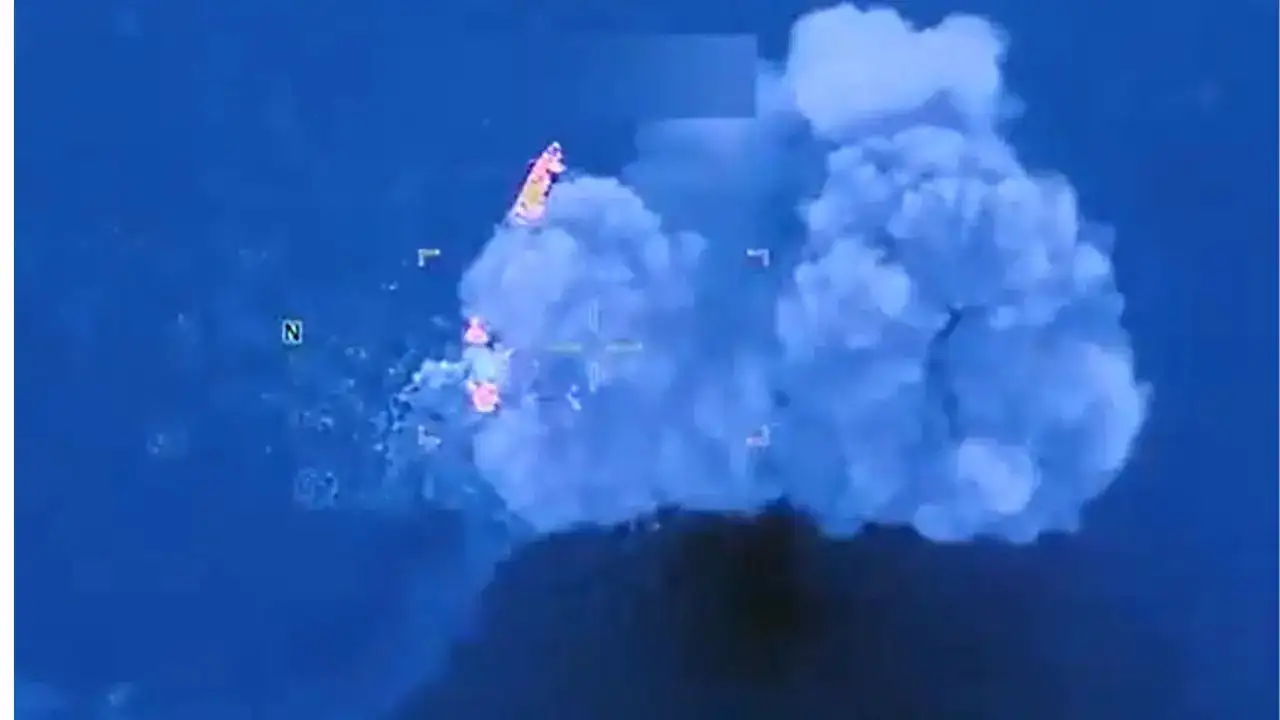
US has launched lethal strikes against boats in the Carribean in September, killing 76 people.

The United Kingdom has stopped sharing intelligence with the United States about suspected drug-trafficking vessels in the Caribbean, amid concerns that the information could be used to support US military strikes that London believes are unlawful, the CNN has reported.
The move marks a rare break between the two allies and longterm intelligence partners.
For years, the UK — which maintains territories and intelligence facilities across the Caribbean — has provided information to help US authorities locate vessels suspected of carrying drugs. That intelligence typically went to the Florida-based Joint Interagency Task Force South, a multinational body coordinating counter-narcotics efforts.
However, according to CNN, British officials became alarmed after the US military began launching lethal strikes against boats in September, killing 76 people. UK sources told the outlet that London feared its intelligence could be used to select targets.
Why Has Britain Taken the Decision
The sources said the UK believes the attacks violate international law and has therefore suspended intelligence sharing for over a month.
The UN’s human rights chief, Volker Türk, has also said the strikes breach international law and amount to “extrajudicial killing.” British officials “agree with that assessment,” the sources told CNN.
Before the strikes began, the US Coast Guard and law enforcement agencies handled anti-trafficking operations, ensuring that suspects were detained and given due process — a framework the UK supported, CNN said.
But the Trump administration has argued that suspected traffickers can be lawfully targeted because they pose an “imminent threat” to Americans. According to a memo sent to Congress, the administration considers cartel members to be “enemy combatants” in an “armed conflict” with the United States.
The Justice Department’s Office of Legal Counsel has reportedly issued a classified opinion supporting that position. The White House has said its actions “comply fully with the Law of Armed Conflict.”
Senior US defence officials have also questioned the legality of the campaign. According to CNN, Adm Alvin Holsey, commander of US Southern Command, offered to resign during a tense meeting with Defence Secretary Pete Hegseth and the Chairman of the Joint Chiefs of Staff after raising his concerns. Holsey is set to leave his post in December, a year into his tenure.
Canada, another longstanding partner in US counter-narcotics efforts, has also distanced itself from the military strikes. The country intends to continue its participation in Operation Caribbean — its joint effort with the US Coast Guard — but has made clear that its intelligence should not be used to target vessels for lethal attacks.
A spokesperson for Canada’s defence department told Canadian media last month that “Canadian Armed Forces activities under Operation Caribbean, conducted in co-ordination with the United States Coast Guard, are separate and distinct from the US military strikes on suspected drug vessels.”