Plus: Shortlist out for the Media Freedom Awards and the local newsroom banned by its football club
Hello,
Welcome to this week’s edition of Behind Local News. Today we’re taking a look at the fascinating interview culture secretary Lisa Nandy did with the Media Confidential podcast, in which she gave the clearest signal yet that the Government is getting ready to help the local news sector.
What form that help will come in remains to be seen — but Ms Nandy did talk about the challenges posed by tech platforms, AI and the moves by the BBC to increasingly compete with local news publishers.
Pressed on whether some local news titles would still be around if the Government didn’t act quickly, Ms Nandy said she recognised the urgency — but was also determined to make sure what the Government did was the right thing for the industry, and didn’t create a reliance on the State into the future.
You can read more of that below.
We’re also looking at the shortlist for the Media Freedom Awards, run by the Society of Editors, and at the odd case of a football club banning access to the title which covers it the most. Talk about shooting yourself in the foot.
Thanks for reading,
Behind Local News.
In local news this week:
Revealed: Regional journalists and titles shortlisted at Media Freedom Awards
Some of regional journalism’s best-known names will battle it out to be crowned local journalist of the year at the Media Freedom Awards.
Football club bans local newspaper after objecting to fact-based coverage
The Lancashire Telegraph cleared its front page to tell readers it had been banned from covering hometown club Blackburn Rovers.
What we’re reading:
- The latest Ipsos Iris data revealed the Manchester Evening News was the best-read local news brand in the UK, reaching 11.7m people in August. The Pink’Un, the Norwich City website from the Eastern Daily Press, was the most engaged local news brand in the UK, the data said. Overall, the number of people reading local news rose by around 1m year on year. More details here.

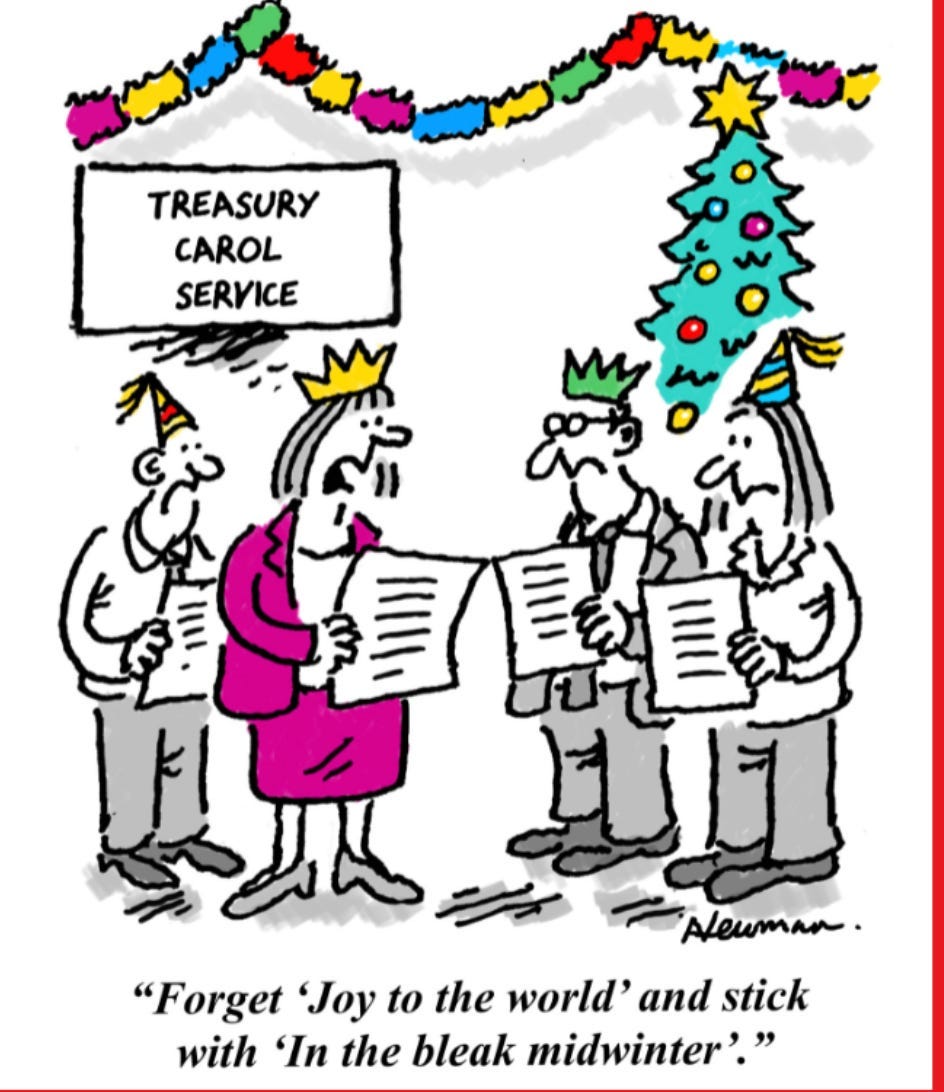
- The Journalists’ Charity has launched its annual Christmas card to raise funds for the organisation. It’s been designed by Nick Newman, whose work is best known in the Sunday Times. You can order packs here
- The Press Gazette-run British Journalism Awards, have extended the deadline for entries until October 2. Plenty of local categories to get involved in. More information here.
Culture Secretary says government working on ‘shoring up’ local news in UK

The Culture Secretary has given the clearest indication yet that the Government is ready to help local news in the UK on to a firmer footing, with a focus on placing more advertising in local newspapers and websites.
Lisa Nandy told the hosts of the Media Confidential Podcast that her department was working on ways of ‘shoring up’ the local news industry in the UK while it develops new online revenue models.
Ms Nandy highlighted the challenges posed by algorithm changes to local publishers, the threat of AI to local news and the problems the BBC has caused by increasingly seeking to compete with existing publishers, something even Ofcom, which originally backed the Beeb’s plan, has admitted has made life harder for established news organisations.
Asked by hosts Lionel Barber and Alan Rusbridger about whether she planned to put money in the local news industry, Ms Nandy said: “It’s urgent, but what we can’t do is get it wrong.
“If you get it wrong, you could find your local paper and mine, and many others, cease to exist because we haven’t got that system right.
“We’re trying to pair up the need for urgency, certainty, and clarity with the need to get the right solution.
“We’re looking at what we can do to shore them up in the short term. It’s not a long-term solution because the reliance of local newspapers on council advertising in particular. That’s very problematic because it’s made it very difficult for local newspapers to hold councils to account.
“But we are looking at how we help them to transition, that the government is mindful of using local newspapers to advertise so there is a source of revenue there. Like I said, I don’t believe it is the right solution for the long-term but we are trying to shore up an industry which is incredibly important to the country while making sure we get them on sound footing.”
Looking at the broader challenges faced by local news, Ms Nandy called out platforms like Google, the rise of AI and the threat posed by the BBC.
She added: “Too often, what they’re finding is that their data and their content is being scraped and used without their permission and without fair remuneration.
“There’s a particular challenge around some of the algorithms that the major companies use. If Google changes its algorithm, the impact on the Manchester Evening News or the Yorkshire Post can be absolutely immense.
“There’s a need for us to make sure that they’re properly protected and supported on the online space and also fairly paid and recognised for their own work. There are some challenges around the BBC as well, which I’ve discussed with Tim Davie and with local news editors around the country.”
Ms Nandy praised the BBC’s financial funding for the Local Democracy Reporter Scheme, which pays established publishers to hire reporters to provide council reporting for hundreds of organisations around the UK.
In recent times, senior BBC leaders have sought to distract from claims their online expansion is damaging local publishers by highlighting its spend on the LDR scheme.
Ms Nandy added: “But they also, at times, they’re competing in the same pool with local newspapers.
“The reason why I think all of this matters so much is because if you look at what happened with the disorder in the UK over the summer last year, you had rumours online that were spreading like wildfire.
“Who was it on the ground dealing with all of that and telling the truth about what was happening? It was the local news from Liverpool and from Southport. They were reporting on the facts.”