Coca-Cola fans face critical shortage of popular drink

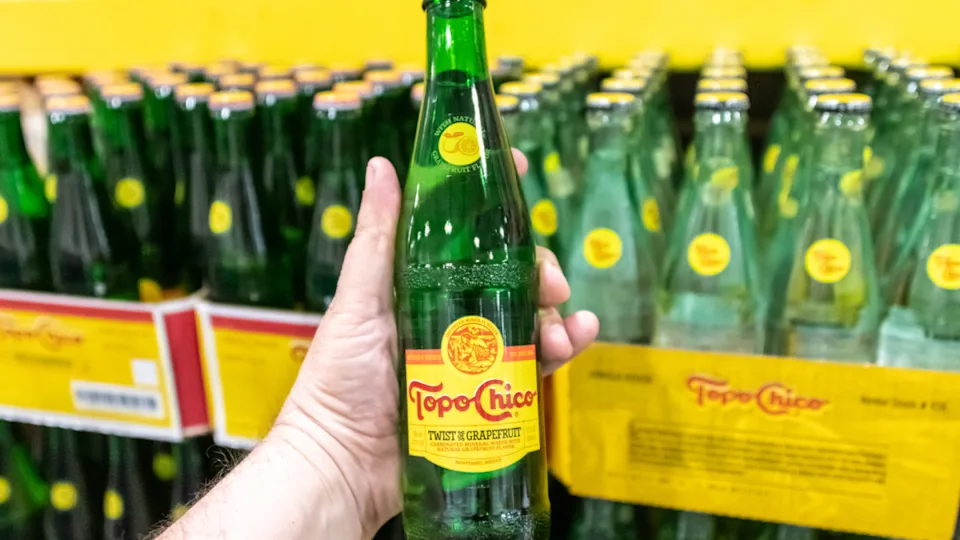
The Coca-Cola company confirms a Topo Chico shortage in the U.S.Shutterstock

Loyal customers of The Coca-Cola Company are being forced to find a replacement for one of its most popular brands as it abruptly disappears from store shelves across the U.S.

While water is essential, many consumers have turned to sparkling water as a healthier alternative to soda or juice, seeking flavor and hydration without added sugar or artificial ingredients. That shift has helped mineral water brands build a strong following and become a household staple.

Now, those committed fans are being put to the test by an unexpected disruption.

Coca-Cola (KO) has confirmed that Topo Chico Mineral Water is temporarily unavailable in the U.S. due to upgrades at its water source and production facilities in Monterrey, Mexico.

The interruption stems from infrastructure improvements and additional challenges identified in the source wells. These include geological and quality-related issues that have slowed production, according to a company statement reported by CNN.

“We are now making further investments at the source to improve source stability and quality and enable increased production, requiring us to temporarily stop production,” said Coca-Cola in the statement.

The company expects Topo Chico Mineral Water to return to U.S. store shelves later in 2026, with availability likely resuming around the third quarter.

The shortage affects only the brand’s core mineral water product. Other offerings, such as Topo Chico Sabores and canned cocktails, remain available.

Topo Chico has relied on a single, historic source of water since 1895, limiting production flexibility and making disruptions harder to offset.

The Coca-Cola company confirms a Topo Chico shortage in the U.S.Shutterstock
The Coca-Cola company confirms a Topo Chico shortage in the U.S.Shutterstock · Shutterstock

Coca-Cola acquired Topo Chico in 2017 for $200 million as part of its strategy to expand into on-trend, better-for-you beverage categories, according to the company’s website.

At the time of the acquisition, the brand was distributed in Northern Mexico and across 35 U.S. states. The deal enabled broader national expansion and strengthened Coca-Cola’s presence in the premium sparkling water segment, which was experiencing double-digit growth.

Today, Coca-Cola operates as a leading “total beverage company,” manufacturing and selling more than 200 brands worldwide, its website indicates.

More Retail Business News:

For fiscal year 2025, the company reported net revenue of $47.9 billion, increasing 2% year over year, with North America up 4%, representing its second-largest regional market.

Within the nonalcoholic ready-to-drink (NARTD) category, water, sports drinks, coffee, and tea grew 2% for the full year, supported in part by strong demand in North America.

The global sparkling water market size was valued at $47.75 billion in 2025 and is projected to reach $136.58 billion by 2034, growing at a 12.4% CAGR, according to Fortune Business Insights.

The U.S. market alone is expected to reach $24.87 billion by 2032.

“Consumers in the region are shifting toward healthier alternatives, leading to increasing interest in fruit-based, exotic, and craft-flavored carbonated drinks,” said Grand View Research analysts. “These trends reflect a broader consumer preference for innovative, flavorful, and health-conscious carbonated beverages, boosting overall market size.”

Fortune Business Insights analysts attribute this growth to increased consumer interest in low-calorie, functional, and better-for-you beverages by leading brands such as LaCroix and Topo Chico.

Topo Chico is a key brand within Coca-Cola’s portfolio. Temporary supply disruptions create an opportunity for competitors to take over shelf space and capture market share while the product is unavailable.

Rival beverage companies have been investing heavily in expanding their better-for-you offerings, particularly in the sparkling water category.

  • PepsiCo (PEP): Sparkling water brands include Bubly and Poppi; Q3 2025 net sales revenue grew 2.6% to $23.94 billion, with North America beverages up 2%, according to PepsiCo.

  • Keurig Dr Pepper (KDP): Sparkling water brands include Peñafiel and Canada Dry; Q3 2025 net sales revenue increased 10.7% to $4.3 billion, with U.S. beverages climbing 14.4%, per Keurig Dr Pepper.

For Coca-Cola, maintaining brand loyalty during the shortage will be critical, as consumers may discover alternative brands that meet their preferences.

While the brand will be back in 2026, this disruption highlights intense industry competition and shows how quickly market dynamics can shift when supply no longer meets consumer demand.

Related: After bankruptcy, iconic seafood chain closing more restaurants

This story was originally published by TheStreet on Feb 24, 2026, where it first appeared in the Retail section. Add TheStreet as a Preferred Source by clicking here.

Source link

Visited 1 times, 1 visit(s) today

Leave a Reply

Your email address will not be published. Required fields are marked *