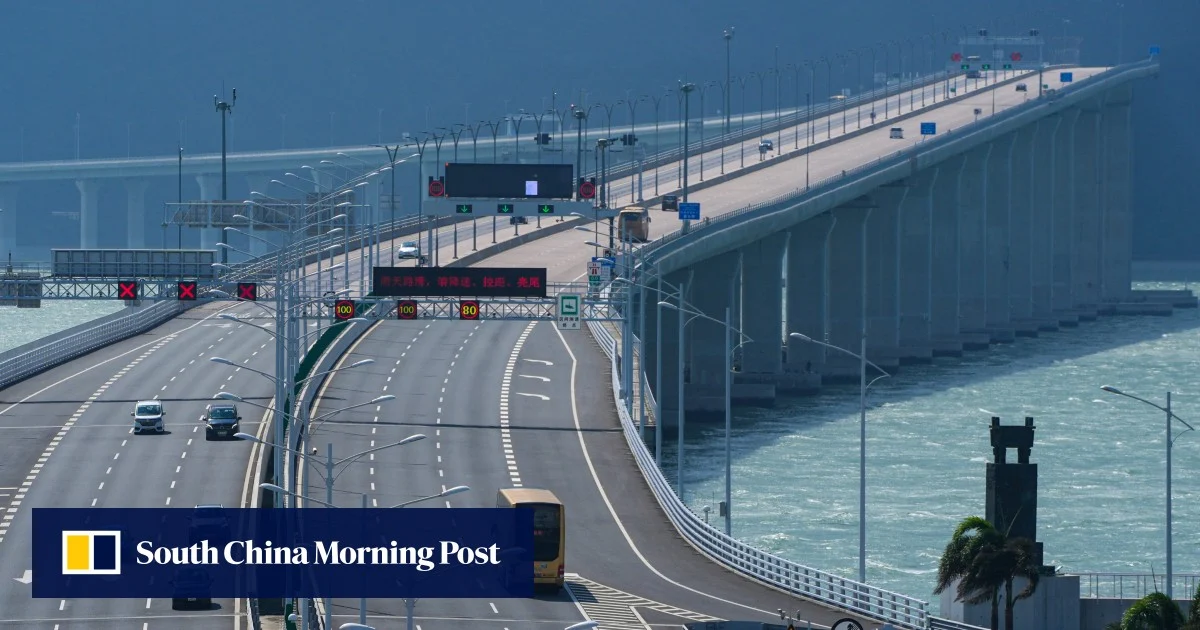
China’s tourism market showed steady growth during the just-concluded Dragon Boat Festival holiday, with 119 million domestic tourist trips recorded nationwide, according to data from the Ministry of Culture and Tourism on Tuesday.
The figure represents a 5.7 percent increase compared to the same period last year. Total tourism spending reached 42.73 billion yuan (about 5.93 billion U.S. dollars), up 5.9 percent from the previous year, the ministry said.
This year’s Dragon Boat Festival, also known as the Duanwu Festival, was celebrated on May 31, and the public holiday ran from May 31 to June 2.
Traditional festival activities drove much of the tourism activity, with dragon boat races in Guangdong, Hunan, Jiangxi, Guizhou and Zhejiang provinces attracting large crowds. Cultural venues including the Palace Museum and National Museum of China reported strong attendance, while Beijing hosted 1,119 commercial performances drawing 458,000 spectators.
The holiday period, which overlapped with Children’s Day this year, saw a surge in family travel. Theme parks and short-distance trips via high-speed rail or car proved particularly popular in major city clusters like the Yangtze River Delta and Beijing-Tianjin-Hebei region. County-level destinations also gained traction among travelers seeking less crowded alternatives.
Tourism authorities unveiled multiple measures to boost spending, including discounted tickets and promotional packages. Technology-enhanced experiences, such as drone delivery services in Shenzhen and AI-powered travel planning in Jiangsu’s Zhouzhuang ancient town, added modern touches to traditional festival celebrations.
China registers 119 million domestic tourist trips during Dragon Boat Festival holiday
Only a lasting ceasefire between Pakistan and India represents true victory, said former Foreign Minister of Pakistan Bilawal Bhutto Zardari on Monday.
On May 7, India launched airstrikes on Pakistani targets to avenge last month’s killing of 26 people by gunmen in Pahalgam town, about 89 km east of Srinagar, the summer capital of Indian-controlled Kashmir. Both Pakistan and India claimed victory amid the conflict.
In an interview with China Central Television (CCTV) at the United Nations headquarters, Zardari, also the chairman of Pakistan People’s Party, said that there is no “real victory” until the final ceasefire. “I think the very easy answer to who won this war is who’s lying to their people? Whose media was lying to their people? Whose government was lying to their people during the conflict and after the conflict? It took one month for the Indian government to admit that we downed their planes. Why were they hiding this fact from their people? Because the truth is they lost. As our initial self-defense for their unilateral violation of our sovereignty, we downed six Indian jets and they refused to admit it up until literally yesterday. We’ve achieved a ceasefire. That’s important. I think that’s the true victory,” said Zardari.
Pakistan and India announced on May 10 that they had agreed on an immediate ceasefire, but Zardari admitted that it is a fragile ceasefire.
“This is, I think, a fragile ceasefire. In order for this to be a lasting ceasefire, we appeal to the international community to play its role because Pakistan has said that they’re willing to talk. There’s only one country that says they’re not willing to talk and that’s India. So obviously that’s not a sustainable situation. And therefore, it is our effort to engage the international community for them to play their role to establish peace, which must include resolving the issue of Kashmir, resolving India’s water dispute that India has now started illegally and having a proper conversation about terrorism,” said the former foreign minister.
Zardari stated that both parties are most likely to resolve their disputes through dialogue.
“I think the most important and the most sort of possible achievement would be for us to start a dialogue. Dialogue and diplomacy has to be the start for us to address any and all issues. So Pakistan is willing to talk with India. We want peace, but peace is not possible, as you say, until we engage in a dialogue. Of course, I believe as we relied or there was the international community’s involvement in achieving our ceasefire. Therefore, it’s reasonable to believe that if the international community plays its role in a similar way, perhaps, we will able to establish perpetual peace, at least in South Asia,” he said.
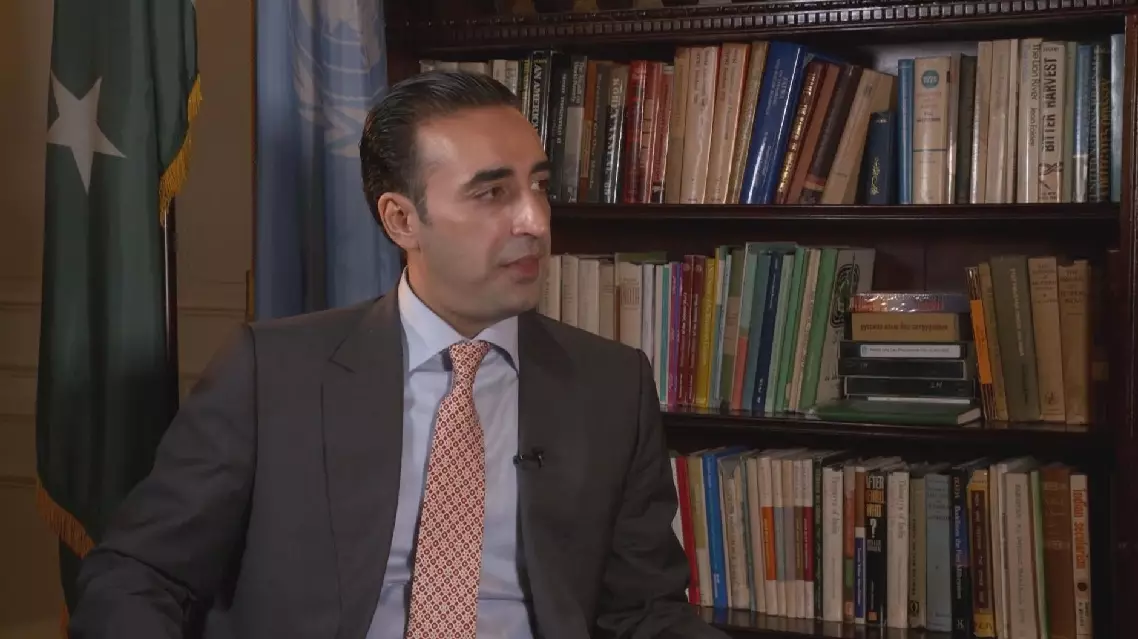
Only ceasefire between Pakistan, India represents true victory: former Pakistani FM