Published Fri, Feb 20, 2026 · 12:47 PM
[HONG KONG] Shares of China’s generative artificial intelligence (AI) startups Zhipu and MiniMax Group soared in Hong Kong as the market reopened after the Chinese New Year, with investors piling into pure AI plays and rotating out of traditional Internet giants.
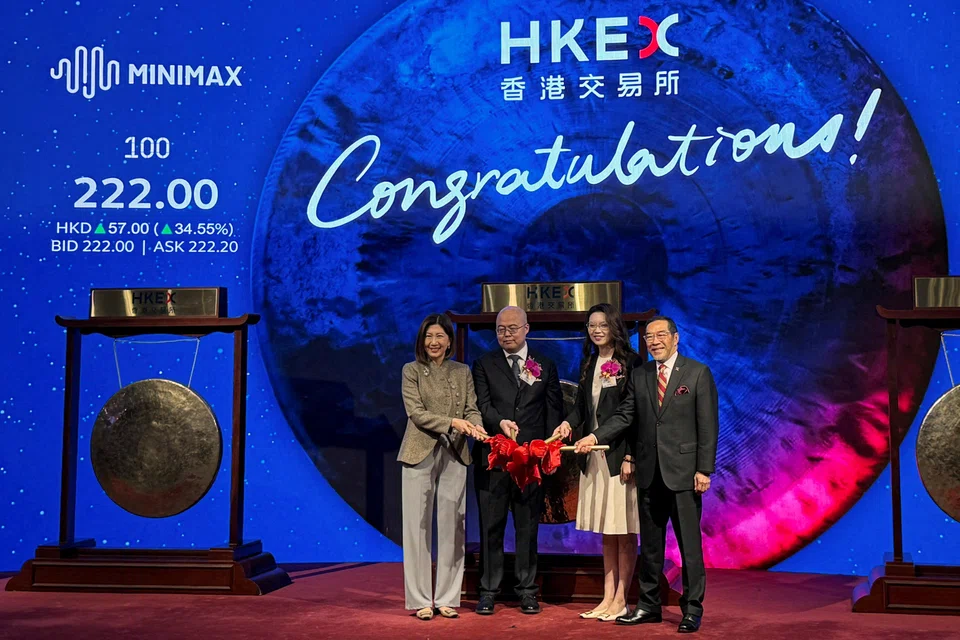
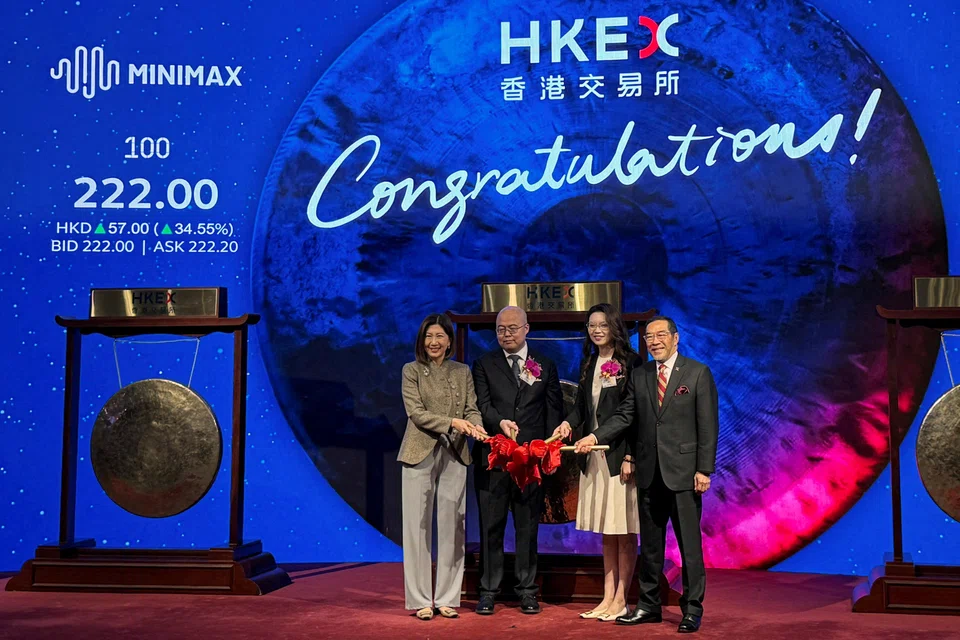
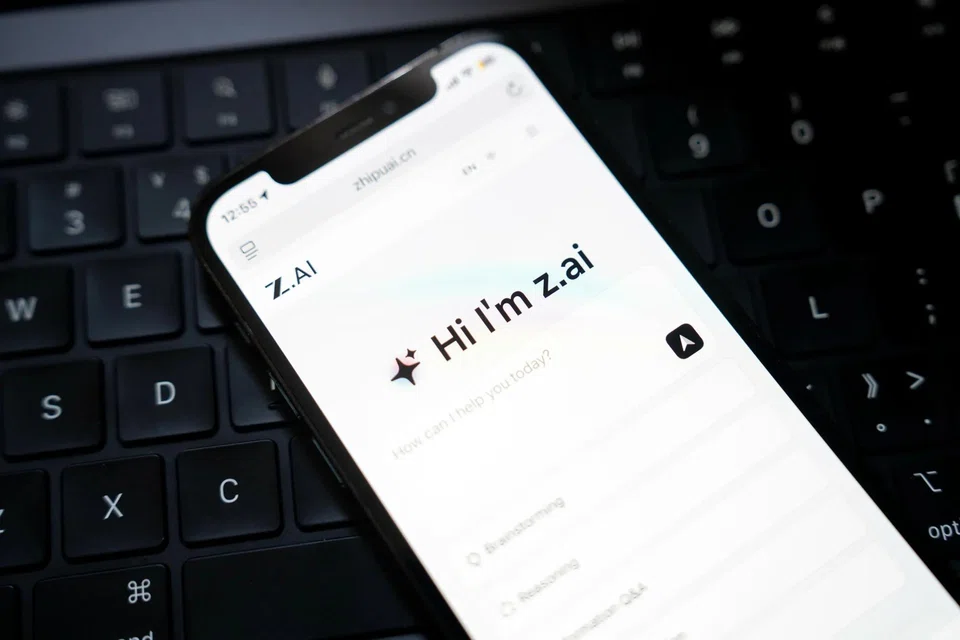
Zhipu, officially known as Knowledge Atlas Technology, jumped as much as 25 per cent, while MiniMax climbed up to 16 per cent. Since their Hong Kong listings in January, both stocks have risen more than four-fold.
Meanwhile, tech giants Alibaba Group Holding and Tencent Holdings fell as much as 4.3 per cent and 2.8 per cent respectively, despite reporting strong holiday results. Alibaba’s AI app Qwen processed 130 million orders during the Chinese New Year campaign, according to Jefferies analysts. Tencent’s app Yuanbao also hit a new milestone, with daily active users exceeding 50 million.
“Money is rotating into pure AI names, while diversified platforms such as Alibaba and Tencent are seeing some profit-taking, said Billy Leung, an investment strategist at Global X Management. “Recent China AI model releases have reignited interest in foundation model leaders.”
Chinese AI companies raced to roll out updated models and new features in the run-up to the holiday, typically a peak season when millions of users experiment with new apps and digital services. The push has also been driven by competition, with firms eager to launch before DeepSeek’s next major unveiling, which it has teased in recent weeks. These factors have kept investor attention firmly on the sector.
Wall Street analysts are also optimistic on MiniMax. Morgan Stanley, Jefferies and UBS initiated coverage with buy-equivalent ratings, with UBS seeing a price target of HK$1,000, about 8 per cent above the current HK$926 level. Morgan Stanley projects MiniMax’s revenue could reach around US$700 million by 2027, implying as much as a ten-fold increase over the next two years.
Navigate Asia in
a new global order
Get the insights delivered to your inbox.
At the same time, expectations for China’s tech giants appear to be shifting. Investors are increasingly weighing how much these companies are spending on AI against tangible returns. Bloomberg Intelligence estimates that Alibaba and Meituan would offer about US$870 million in consumer incentives over the holiday as they competed for engagement. Tencent was planning to spend US$145 million.
Regulatory scrutiny also added to the pressure. Chinese authorities summoned major online platform companies last week, directing them to rein in promotional practices and eliminate “involution-style” competition. Alibaba, Baidu, Tencent, JD.com were among the firms called to the meeting.
“Traditional giants such as Baidu, Alibaba, and Tencent are under pressure because their core businesses – advertising, e-commerce, and gaming – are showing slower growth than the market had priced in,” said Dilin Wu, a research strategist at Pepperstone Group. “Investors are increasingly scrutinising how quickly their AI initiatives can contribute meaningfully to earnings.”
SEE ALSO
Elsewhere, Chinese travel stocks and some consumer names declined as trading resumed in Hong Kong. Citigroup analysts said domestic passenger throughput was largely on track, with airlines and road travel outperforming, though railway data came in slightly weaker.
Air China shares fell as much as 2.4 per cent, while China Eastern Airlines slipped 1.9 per cent. Among consumer stocks, Laopu Gold tumbled as much as 5.2 per cent and China Tourism Group Duty Free lost 4.5 per cent. BLOOMBERG
Decoding Asia newsletter: your guide to navigating Asia in a new global order. Sign up here to get Decoding Asia newsletter. Delivered to your inbox. Free.