Published on
March 13, 2026

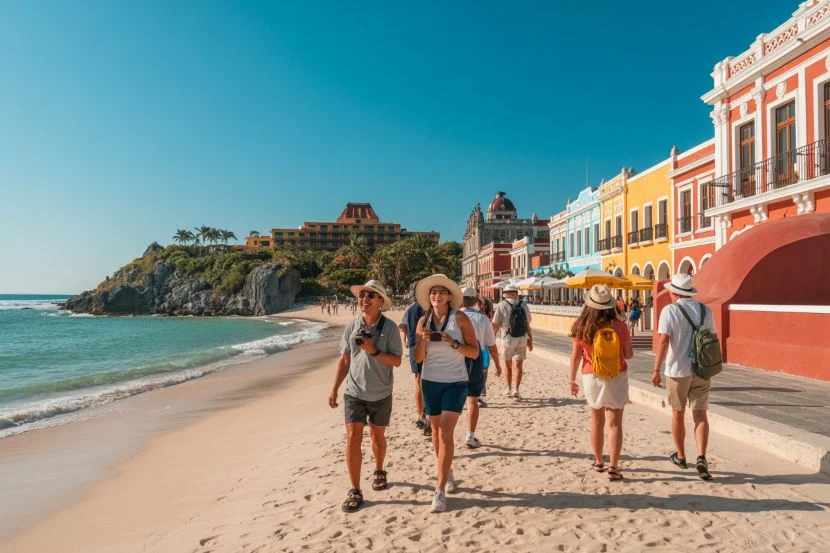
Image generated with Ai
Mexico is experiencing a remarkable surge in international tourism, with nearly two million foreign visitors arriving in the country during January 2026. This increase highlights not only the enduring appeal of Mexico’s vibrant destinations but also the growing diversity in the origins of its tourists. Visitors from Canada, the United States, South America, Europe, and Asia are fueling this growth, reflecting Mexico’s evolving tourism strategy to attract travelers from a wide range of international markets.
The data indicates a notable rise in Canadian tourism, with over 455,000 Canadians visiting Mexico in January, marking a 9.7% increase compared to January 2015. Meanwhile, the United States remains the largest source market, contributing more than 1.13 million visitors, accounting for 57.9% of all international arrivals. Other countries showing robust growth include Argentina, Colombia, the United Kingdom, France, Spain, and China, underlining Mexico’s expanding reach as a premier global tourist destination.
Strategic Global Promotion Elevates Mexico’s Tourism
Efforts to diversify Mexico’s tourist base are evident through increased participation in major international travel exhibitions such as FITUR, ITB Berlin, and Routes Americas 2026. These events are pivotal in showcasing Mexico’s rich culture, world-class resorts, and natural attractions to new audiences. Tourism officials have emphasized that engaging multiple international markets ensures sustainable growth and creates broader opportunities for local communities dependent on tourism revenues.
For travelers, this means more culturally rich experiences, as destinations are evolving to cater to international preferences. From gastronomic tours and adventure sports to heritage trails and luxury resorts, Mexico is enhancing its offerings to meet the expectations of an increasingly global visitor profile.
Canada Emerges as a Key Player in Mexico’s Tourism Landscape
Canada’s contribution to Mexico’s tourism is growing steadily. With 23.2% of all international visitors originating from Canada, cities like Cancún, Playa del Carmen, Mexico City, and Puerto Vallarta are seeing higher occupancy rates. Canadian travelers are increasingly drawn to Mexico’s sun-soaked beaches, vibrant festivals, and rich culinary experiences.
Travel tips for Canadians include exploring lesser-known destinations such as Oaxaca, San Miguel de Allende, and Chiapas, which offer authentic cultural experiences beyond the typical beach resorts. For families, destinations with resorts featuring kid-friendly amenities are highly recommended, while couples often opt for boutique hotels in scenic coastal towns.
Advertisement
Advertisement
Expanding Horizons: South American, European, and Asian Markets
South American travelers are also contributing to Mexico’s tourism diversification. Tourist arrivals from Argentina reached 45,588 in January 2026, an 8% increase over 2015 levels. Colombia also showed growth of 12.4%, signaling rising interest from Latin American travelers seeking both leisure and cultural tourism.
Europe continues to be a strong market, with travelers from the United Kingdom, France, and Spain increasing by 10.6%, 6.9%, and 7.7%, respectively. Meanwhile, China stands out with a 15.7% increase, reflecting the expanding influence of Asian markets on Mexican tourism. These shifts illustrate a geographically diverse visitor base, enhancing Mexico’s global tourism resilience.
Travelers from these regions often enjoy heritage tours, luxury resorts, and eco-tourism experiences. Mexico’s efforts to provide multilingual services, culinary experiences, and curated cultural tours make it increasingly accessible and appealing to diverse international audiences.
Understanding Tourist Demographics: Age Profiles and Travel Trends
Examining the demographic profile of visitors in January 2026 reveals valuable insights for travelers and service providers. The largest segment, 27.9%, comprises tourists aged 30-44, followed by 24.3% aged 60 and above, and 23.9% aged 45-59. Younger travelers, aged 16-29, accounted for 14.8%, while children and adolescents aged 0-15 represented 9% of visitors.
This diversity in age groups reflects varying travel interests, from adventure sports and nightlife popular among younger adults to cultural excursions, historical tours, and wellness retreats preferred by older travelers. Resorts, tour operators, and cities are adapting to accommodate these distinct preferences, enhancing the overall travel experience in Mexico.
Insider Tips for Maximizing Your Visit to Mexico
- Timing Matters: Visiting Mexico in January offers cooler temperatures in many regions, ideal for exploring cities and historical sites without the summer heat.
- Cultural Immersion: Engage with local festivals, culinary experiences, and traditional markets to capture the essence of Mexican heritage.
- Regional Exploration: Beyond popular coastal resorts, explore destinations like Oaxaca, Guanajuato, and Chiapas for unique art, architecture, and gastronomy.
- Travel Connectivity: Use regional airports and modern transport networks to reach remote locations efficiently.
- Sustainable Tourism: Opt for eco-friendly tours and accommodations to support Mexico’s environmental and community-driven tourism initiatives.
Mexico’s Tourism Evolution: A Global Perspective
The continued growth of international tourism in Mexico demonstrates the country’s ability to adapt to shifting global travel trends. By diversifying source markets and enhancing destination appeal, Mexico is positioning itself as a premier travel hub for North American, South American, European, and Asian travelers alike.
For tourists, this translates into broader destination choices, enriched cultural experiences, and a thriving tourism ecosystem. Whether visiting the pristine beaches of Cancún, exploring the historic streets of Mexico City, or discovering the artisanal charm of San Miguel de Allende, international visitors have a wealth of opportunities to experience the diverse beauty and culture of Mexico.
As Mexico strengthens its tourism outreach and infrastructure, travelers can expect innovative travel experiences that blend leisure, adventure, culture, and sustainability—making it an ever-more attractive destination for visitors worldwide.


