A map of the British Isles can be deceptive. On paper, planning a multi-stop trip across England, Scotland and Ireland looks straightforward. Distances are short and flights are frequent, while trains connect major cities.
In reality, it rarely is straightforward. Traffic and confusing train tickets are among the factors that can quickly complicate even the best-laid plans.
That is why British Isles cruises have quietly become one of the most efficient ways to experience the region. For travelers looking to sample multiple destinations without the friction of constant packing and travel logistics, the format makes a strong case.
But not all British Isles cruises are the same. Far from it, in fact.
What A British Isles Cruise Actually Includes
Despite the name, there is no single template. Most itineraries run between 10 and 14 nights and typically include a mix of England, Scotland, Wales, the Republic of Ireland and Northern Ireland. That variation shapes the entire experience.
It’s worth stating that the term British Isles is widely used by the cruise industry, although it can be politically sensitive given the inclusion of the Republic of Ireland in the definition.
A classic sailing might begin in Southampton and call at Cobh (for Cork), Belfast and Liverpool, before heading north to Invergordon in the Scottish Highlands, South Queensferry (for Edinburgh) and even the islands of Orkney or Shetland.

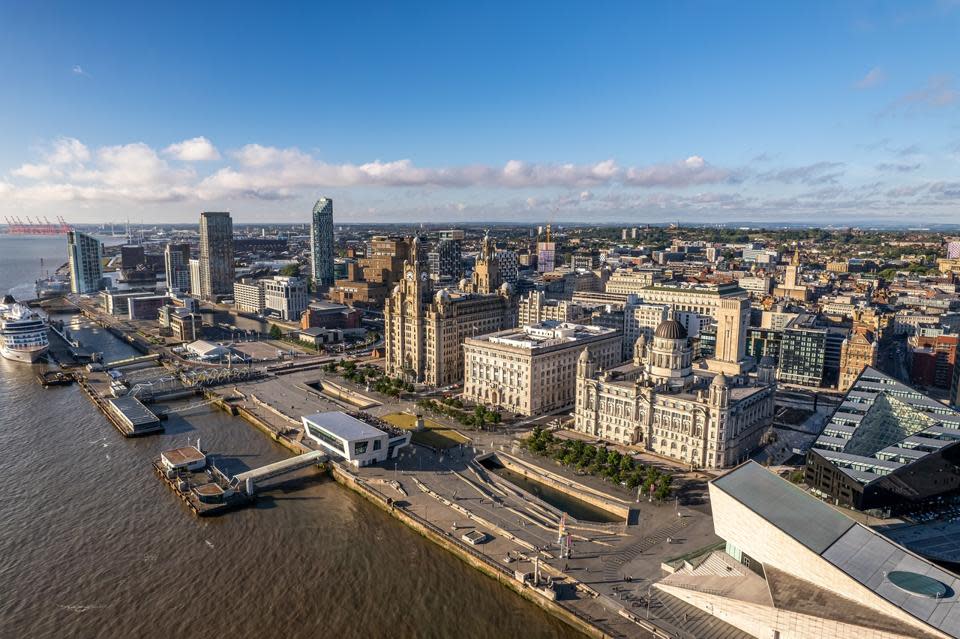
Liverpool is one of the few British Isles cruise ports where the cruise terminal is within easy walking distance of the downtown district.
getty
Others stretch further, incorporating continental Europe with stops such as Le Havre for Paris, Zeebrugge for Bruges, or Rotterdam or Amsterdam in the Netherlands. Some extend even further into Norway, Iceland or the Faroe Islands.
The result is less a fixed British Isles itinerary and more a flexible Northern Europe loop, with British ports forming the core.
The Value Proposition Is Simplicity, Not Depth
The appeal is obvious once you consider the alternative. Visiting the islands independently requires multiple hotel stays, intercity transport and careful planning around weather and timing. A cruise removes much of that complexity.
You unpack once. The ship moves while you sleep. Each morning brings a new destination. That convenience is where much of the value lies. Not just in price, but in time saved and complexity removed.
There is, however, a trade-off.
Many cruise ports in the region are gateways rather than destinations in their own right. South Queensferry serves Edinburgh. Invergordon is a jumping-off point for Loch Ness and the Highlands. Le Havre often means a long excursion to Paris.
For first-time visitors, that breadth can be ideal. For those seeking deeper immersion, it can feel rushed.
Shorter itineraries focus on major ports and efficient routing, while longer sailings introduce more remote destinations and a slower pace. Ship size matters too. Larger vessels typically stick to established ports, while smaller ships can access lesser-visited Scottish islands and ports closer to central London, for example.
Ports That Define The British Isles Experience
While itineraries vary, several ports appear again and again. These are the anchors of the British Isles cruise experience.
Southampton/Dover (London), England: For many itineraries, this is where the journey begins or ends. This often turns the cruise into a broader London trip, whether that means arriving early to explore the capital or extending the stay afterward.
Cobh (Cork), Ireland: One of Ireland’s most recognizable cruise ports, Cobh pairs a photogenic waterfront with access to Cork and the wider south of Ireland. It is also steeped in maritime history, including connections to transatlantic emigration.

Belfast’s Titanic Quarter is a big draw for cruise ship visitors.
getty
Belfast, Northern Ireland: A standout urban stop. The compact center is easy to explore, while the Titanic Quarter and political history tours offer deeper context. Longer port calls are common.
Liverpool, England: One of the most characterful stops on a British Isles cruise, with ships docking at the revitalized waterfront close to the Albert Dock and city center. Liverpool’s maritime past is ever-present, but for many visitors it is defined by music and culture, from The Beatles legacy to a thriving arts scene.
South Queensferry (Edinburgh), Scotland: Technically not Edinburgh itself, but the arrival beneath the Forth bridges is one of the most scenic moments of many itineraries. The city is a short journey away.
Invergordon (Scottish Highlands): A classic gateway port. Excursions focus on Loch Ness, Inverness, and sweeping Highland scenery. Distances can be significant, making for long but memorable days.
Lerwick (Shetland), Scotland: One of the most distinctive stops. Remote, atmospheric, and often a highlight for repeat cruisers. It also hints at itineraries that extend further north.
Choose The Right Cruise Line
One of the most important decisions is not where the ship goes, but who operates it.
British-focused cruise lines such as P&O Cruises, Fred Olsen Cruise Lines, Saga Cruises and Ambassador Cruise Line tend to position these voyages as close-to-home, culturally familiar experiences. Many sail from Southampton or regional U.K. ports.
Onboard, the atmosphere reflects a largely British passenger mix. Expect traditional British cuisine, understated entertainment and a daily rhythm that feels closer to a traditional U.K. vacation than an international resort at sea.
For some international travelers, that immersion is part of the appeal. For others, it may feel too much.
International operators take a different approach. Brands such as Princess Cruises, Celebrity Cruises and Holland America Line often position British Isles sailings within broader Northern Europe programs.
That can mean departures from different ports, a more international passenger mix and itineraries that include ports in Scandinavia or elsewhere in Northern or Western Europe.
The onboard experience typically follows suit, with more varied dining and entertainment, and a style that feels more global.
Neither approach is inherently better. The right choice depends on whether you want the journey itself to feel distinctly British, or part of a broader international itinerary.
MORE FROM FORBES
MORE FROM FORBESThe British Cruise Market Is Booming And Cruise Lines Are RespondingBy David Nikel

MORE FROM FORBESHow British Cruise Lines Are Changing In 2026By David Nikel

MORE FROM FORBESBritish Cruise Lines Are Divided Over Adults-Only CruisingBy David Nikel

This article was originally published on Forbes.com