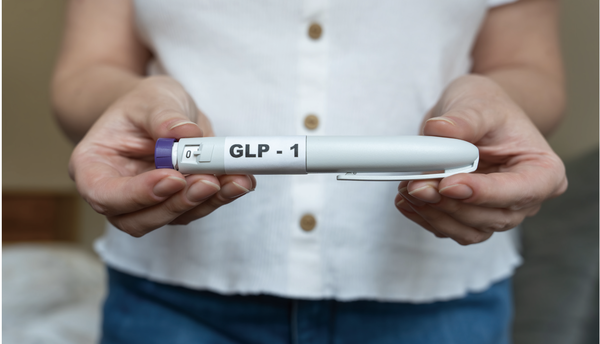
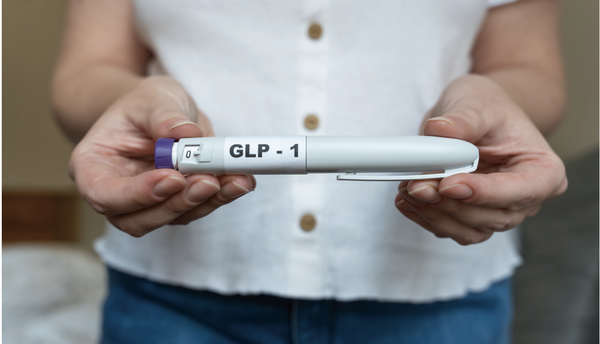
It is nothing short of a frenzy. Few developments in recent years have shaken South Korea’s pharmaceutical market—and society at large—as profoundly as obesity drugs. GLP-1 therapies Wegovy and Mounjaro, collectively nicknamed “Wima,” are reshaping perceptions of obesity and opening new possibilities for treating other difficult-to-manage diseases.
① Why the GLP-1 Frenzy Is Strongest in South Korea
② How Wegovy and Mounjaro Reshaped the Obesity Drug Market
③ How GLP-1 Turned Weight Loss Into a Way of Life
When Viagra, or sildenafil, arrived in 1998, it showed the pharmaceutical industry that blockbuster drugs could be built not only by saving lives but also by improving quality of life. Propecia, or finasteride, later brought hair loss—an area once difficult to define as a disease—into the realm of medical treatment in South Korea. Together, these products helped establish the category known as “lifestyle drugs.”
The obesity drug Saxenda marked another turning point. Launched in South Korea in March 2018, it helped change perceptions of obesity treatment and popularized the idea of using medication for weight loss. According to pharmaceutical market researcher IQVIA, sales increased more than fivefold from about $5.05 million in its first year to $28.6 million in 2019.
Sales slowed during the COVID-19 pandemic, falling to $24.8 million in 2020 and $24.4 million in 2021. They rebounded to $39.6 million in 2022 and $45 million in 2023, allowing Saxenda to remain South Korea’s leading obesity drug for more than five years.
Novo Nordisk’s Wegovy and Eli Lilly’s Mounjaro subsequently expanded the market to hundreds of millions of dollars per quarter. Saxenda’s sales have fallen 96% from their peak since Wegovy’s arrival, pushing the drug out of the spotlight. Yet the products that followed through the door Saxenda opened have since torn that door off its hinges.
GLP-1 Brings Treatment Into Everyday Life
At first glance, GLP-1 therapies may appear to be an extension of earlier “happy drugs.” A closer look, however, reveals a different trajectory.
Viagra targets a specific function in a particular situation, while Propecia treats a clearly defined concern: hair loss. Their users and purposes are relatively easy to identify, and the drugs do not fundamentally alter a person’s daily routine.
GLP-1 drugs, by contrast, act on appetite, one of the most basic human drives. They can affect how much and how often people eat, alcohol consumption, body shape, metabolic indicators and even self-perception. This gives them a much broader reach than conventional lifestyle drugs.
The shift toward higher doses of Mounjaro also suggests that patients are not simply trying a low dose briefly before stopping. Many are entering maintenance or dose-escalation phases and incorporating treatment into their everyday lives. Once-weekly administration further supports continued use by requiring relatively little day-to-day attention.
The expanding range of indications strengthens the position of GLP-1 therapies as lifestyle-integrated medicines. Wegovy produced average weight reductions of 14.9% over 68 weeks in the STEP 1 trial and 15.2% in STEP 5. In the SELECT trial, it also significantly reduced major adverse cardiovascular events among high-risk patients without diabetes, leading to an indication for cardiovascular risk reduction.
The findings reinforce a straightforward premise: weight loss can improve health, creating an overlap between medical treatment and quality of life.
Mounjaro has pursued indication expansion even more aggressively. After producing an average weight reduction of 20.9% in SURMOUNT-1, the drug has extended its potential beyond obesity to areas including diabetes, cardiovascular disease and sleep apnea.
Industry observers therefore see GLP-1 therapies as a new stage in the evolution of “happy drugs.” Whereas Viagra and Propecia addressed specific deficiencies or concerns, GLP-1 therapies combine health and well-being. They treat obesity while potentially reducing the risks of diabetes, cardiovascular disease and other metabolic conditions.
In South Korea, the drugs are overwhelmingly perceived as obesity treatments. Their origins as diabetes medicines, however, provide a medical foundation that has made prescribing them relatively less burdensome. A product driven solely by cosmetic demand could fade with changing trends. GLP-1 therapies have become part of everyday life because they are rooted in disease treatment.
Evidence is also growing that these medicines work best alongside, rather than in place of, healthy habits. A study published in The Lancet Diabetes & Endocrinology in February analyzed more than 98,000 people with diabetes. Researchers from the Harvard T.H. Chan School of Public Health found that the cardiovascular benefits of GLP-1 drugs were greater among people who also maintained healthy habits, including a balanced diet, regular exercise, adequate sleep, smoking cessation and moderate alcohol consumption.
The researchers concluded that lifestyle remains central even in the era of highly effective GLP-1 medicines and can substantially enhance their benefits.
By intersecting with diet, exercise, sleep and alcohol consumption, GLP-1 therapies are reshaping both health and well-being. They are evolving beyond treatments for a single condition into a broader platform for metabolic health—and opening a new chapter for the “happy drug.”
The Lifestyle Treatment Economy
GLP-1 drugs have demonstrated more than strong efficacy and sales. They have reaffirmed a basic market principle: consumers are willing to pay to address problems that may not be immediately life-threatening but still diminish their quality of life.
As medical societies reinforce the view of obesity as a disease, quality of life has also emerged as an economic priority for the broader public.
The influence of obesity treatment is visible in unexpected places. Last year, South Korea’s Ministry of Food and Drug Safety referred five companies to prosecutors for advertising conventional foods in ways that could mislead consumers into believing they were weight-loss supplements or medicines.
In one case, a company gave a chicory-based solid tea a name resembling Wegovy and promoted it using phrases such as “oral Wegovy,” “GLP-1 effects” and “available in pharmacies.” It also introduced products with names such as “Mounpro” before facing regulatory action. Another company entered the imitation market with a product called “Webigo.”
In a separate crackdown that December, four conventional food companies were found to have generated about $2 million in sales through false or exaggerated advertising that imitated the Wegovy name and claimed weight-loss effects.
Over the past five years, authorities have identified 3,749 cases in which conventional foods were improperly advertised as weight-loss health supplements. The use of names resembling Wegovy and Mounjaro shows that GLP-1 brands have gained influence far beyond pharmaceuticals, extending into the food and consumer-goods markets.
A December 2025 report by the Samjong KPMG Economic Research Institute, titled Wellness Foods Connecting Health and Lifestyle, also suggests that GLP-1’s influence is spreading beyond medicine. The proportion of South Korean consumers who identified weight management as a leading health concern increased from 54% in 2022 to 66.8% in 2025.
The protein beverage market, meanwhile, is projected to expand from $54.7 million in 2018 to about $538 million in 2026, showing that consumers are opening their wallets for food products as well as medicines.
Samjong KPMG noted that the boom in injectable weight-loss treatments is increasing demand for health supplements intended to manage side effects or enhance treatment outcomes. As the drugs suppress appetite, a new food market is emerging around the needs of their users.
The aesthetics industry has also seized the opportunity. A 2025 study published in Aesthetic Surgery Journal Open Forum examined the phenomenon known as “Ozempic face,” in which rapid facial fat loss can create an older or more hollow appearance. The issue has helped fuel demand for aesthetic procedures worldwide.
South Korean aesthetic medicine societies now include conference sessions on post-weight-loss care for patients using GLP-1 therapies. Lectures are also increasingly addressing body-contouring procedures for areas such as the double chin and upper arms, targeting people who are reluctant to use GLP-1 drugs or do not medically need them.
The study found that rising searches for “Ozempic face” were accompanied by increased interest in terms such as fillers and plastic surgery. It advised plastic surgeons to prepare for a growing patient population as demand for rejuvenation procedures rises alongside reports of GLP-1-related appearance changes.
As the GLP-1 market grows, surrounding industries are expanding with it.
The therapies are also broadening their own potential. In 2025, the Endocrine Society reported signals from preclinical and early clinical research suggesting that GLP-1 receptor agonists may reduce nicotine- and alcohol-seeking behavior and the risk of relapse.
Obesity and addiction may share certain neural pathways. If further research supports this hypothesis, GLP-1 therapies could eventually move beyond appetite control to address a wider range of cravings that have traditionally been difficult to overcome through willpower alone.
Such applications could further establish GLP-1 drugs as treatments deeply integrated into everyday life.
Visible Risks, Invisible Fears
GLP-1-based lifestyle treatment still faces substantial challenges.
In South Korea, obesity drugs are approved for adults with a BMI of 30 or higher, or those with a BMI of at least 27 who also have weight-related conditions such as hypertension, dyslipidemia, prediabetes, Type 2 diabetes or sleep apnea.
Reflecting the characteristics of the Korean population, the Korean Society for the Study of Obesity’s 2024 guidelines recommend considering medication for people with a BMI of 25 or higher who have failed to achieve sufficient weight loss through lifestyle changes alone.
Even within these criteria, quarterly sales of non-reimbursed obesity drugs have reached $302 million.
This enormous demand rests not only on efficacy but also on the belief that the drugs are safe for long-term use. Public perceptions, however, do not always align with the available evidence.
Pancreatitis is one example. Online searches for GLP-1 drugs frequently bring up the condition, while accounts of patients being hospitalized after using the medicines circulate repeatedly. Clinical evidence has generally pointed in a different direction, with multiple large studies and meta-analyses finding no increased risk of acute pancreatitis associated with GLP-1 therapies.
Researchers are paying closer attention to other adverse events, including gallbladder disease and non-arteritic anterior ischemic optic neuropathy, or NA-AION.
In other words, the risks most feared by the public do not necessarily match those being closely monitored by the medical community. Patients with a history of acute or recurrent pancreatitis should nevertheless continue to use the drugs with caution.
Closing this gap is itself a challenge for lifestyle treatment. Supporting long-term use requires not only managing genuine risks but also addressing misplaced fears through accurate information.
Another concern is the ethical pressure placed on healthcare providers and patients. Reports that some patients discuss switching products to meet diabetes reimbursement criteria illustrate another barrier that GLP-1 therapies must overcome.
Ultimately, the most profound change brought by GLP-1 drugs may not be in the pharmaceutical market, but in how society views obesity.
The central questions are how obesity should be treated, how the market’s growth can be sustained and how society should perceive people living with the condition.
GLP-1 therapies have already begun changing lifestyles. Yet a recent joke offers a bitter reflection of the challenges that remain: “In the past, an overweight person was simply called overweight. Now, someone who cannot afford GLP-1 drugs is called poor and overweight.”