Turning around its business in China is important to General Motors and its investors, and there’s a little good news in that area.
If you only started following or investing in the automotive industry in the past few years, it’s probably difficult to believe that General Motors (GM +1.28%) once sold more vehicles in China than it did in its core profit engine, the United States. Despite climbing the mountain and becoming a major player in China, GM has suffered large setbacks as China’s domestic automakers caught up, and then roared ahead in electric vehicle (EV) technolog — remember half of China’s new-vehicle market are new-energy vehicles. For investors, GM’s turnaround in China is important for its bottom line, and there’s good news on that front!
The game plan
Investors knew some pain was coming thanks to early warnings as well as cross-town rival Ford Motor Company (F +1.73%) announcing its own $19.5 billion special charge related to a pivot of its EV strategy. However, GM’s pain extended beyond EVs. General Motors took a $1.1 billion charge during the fourth quarter, including $500 million in cash, largely related to the overhaul and restructuring of its Chinese joint venture.
“We continue to believe that there is a strong future for electric vehicles, and we’ve got a great portfolio to be competitive, but we do have some structural changes that we need to do to make sure that we lower the cost of producing those vehicles,” GM CFO Paul Jacobson told CNBC in October.
The game plan was relatively simple, albeit expensive. GM took charges for asset write-downs, closing plants, and adjusting its vehicle portfolio to focus on high-end vehicle sales and premium EVs largely through its Buick and Cadillac brands, as well as high-end Chevrolet imports.
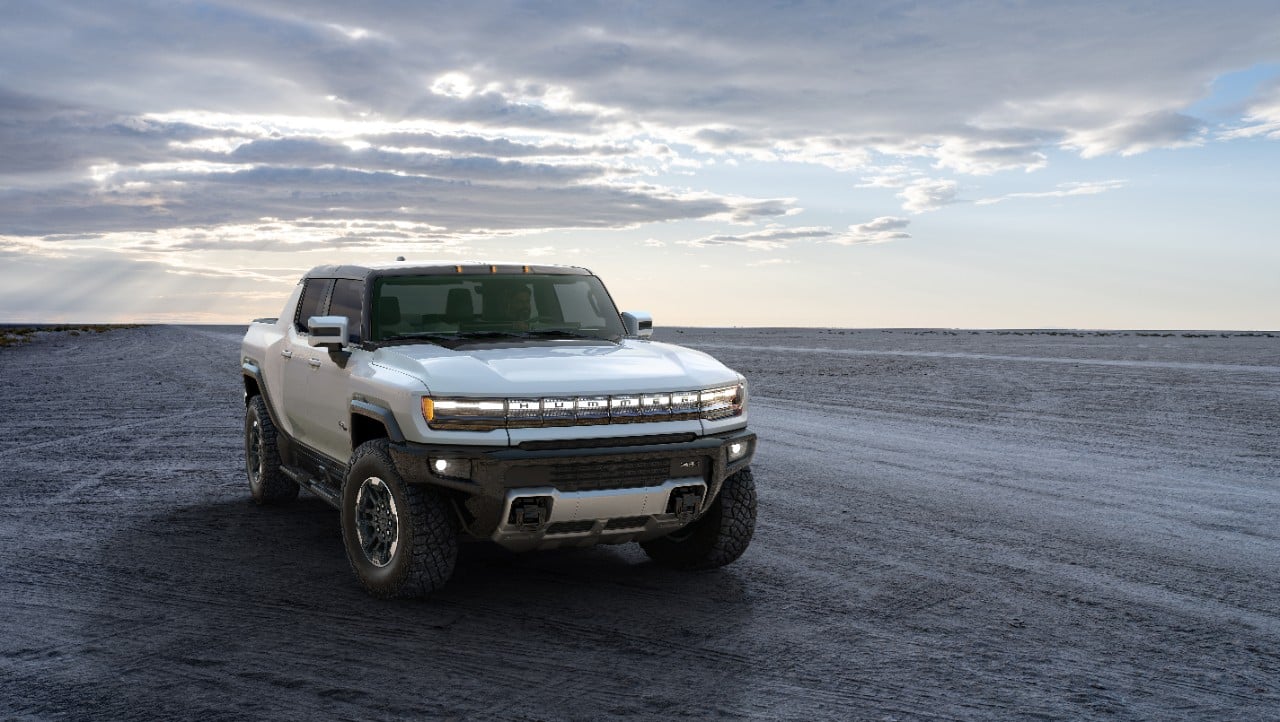
Image source: General Motors.
Early progress is promising
The good news is that investors are seeing quick results. Last year, GM achieved growth in both retail sales and market share in China, while the automaker’s new-energy vehicle (NEV) sales nearly hit 1 million units and accounted for more than half of its total China sales. They key for investors looking for insight into where GM’s sales go from here is its NEV portfolio. While GM’s total sales in China were up only 2.3% in 2025, compared to the prior year, its NEV sales jumped 22.6% higher. In 2026, all new GM China product launches will include NEV options with local production playing an increased role — hugely important for keeping prices competitive.

Today’s Change
(1.28%) $1.02
Current Price
$80.95
Key Data Points
Market Cap
$73B
Day’s Range
$80.06 – $81.50
52wk Range
$41.60 – $87.62
Volume
230K
Avg Vol
9M
Gross Margin
6.27%
Dividend Yield
0.70%
What it all means
For investors, it’s long past time to admit China is never likely to materialize as a second pillar of profits for Detroit automakers, as was hoped a decade or two ago. However, the sheer size of China’s market and the fact it’s highly advanced with NEVs makes it a market almost necessary to compete in. Not only will GM’s turnaround in China be key to boosting the bottom line, but learning how to compete with NEVs in China will prepare GM for the battle that awaits when Chinese automakers eventually sell highly advanced and affordable vehicles closer to home.