Published on
February 7, 2026

As Hong Kong braces for an unprecedented influx of visitors during the Lunar New Year holiday, the city is implementing bold and proactive measures to manage the anticipated surge in tourism. With 1.43 million mainland Chinese tourists expected between February 15 and 23, authorities are focused on preserving the city’s natural beauty while ensuring a seamless travel experience. The government is taking decisive action, particularly in ecotourism areas like Sai Kung, where overcrowding and environmental degradation have been major concerns in previous years. By enhancing crowd control, increasing patrols, and promoting responsible tourism, Hong Kong aims to strike a balance between boosting its tourism economy and safeguarding its iconic natural landscapes for future generations.
As Hong Kong gears up for the influx of visitors during the upcoming nine-day Lunar New Year holiday, authorities are focusing on crowd control and environmental protection measures, particularly at popular hiking and camping destinations. With an expected 1.43 million mainland Chinese tourists projected to visit, the government is taking proactive steps to manage the anticipated surge in visitors, especially in nature areas that have previously faced overcrowding and environmental damage during peak travel times.
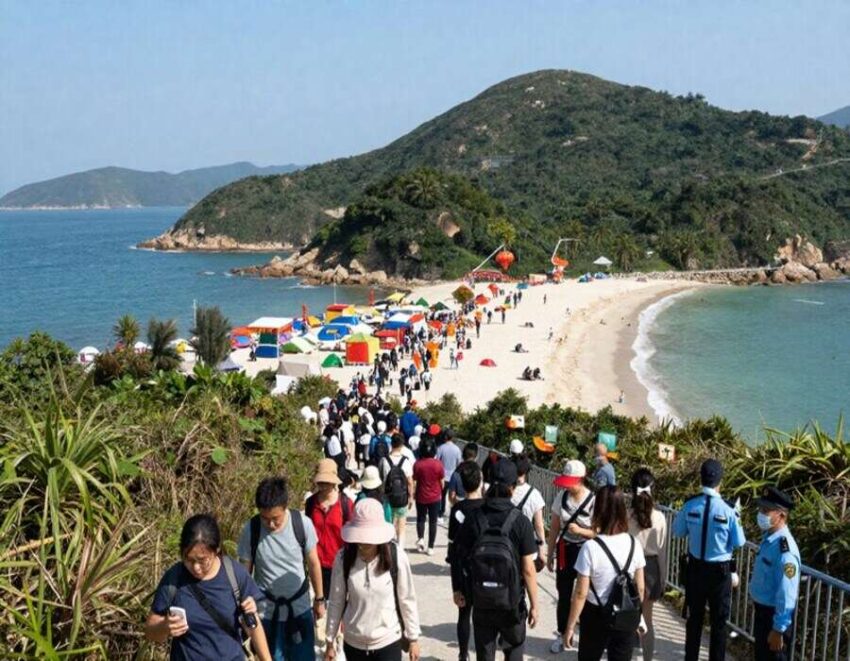
Secretary for Culture, Sports and Tourism Rosanna Law Shuk-pui highlighted that the government is taking a more hands-on approach this year to prevent past issues, especially in ecotourism areas like Sai Kung. This region, known for its beaches, campsites, and hiking trails, has been overwhelmed by visitors, many of whom are unaware of local regulations and conservation efforts.
The expected surge in tourism will result in a 6% increase in daily arrivals compared to last year. Between February 15 and 23, during the “golden week” of the Lunar New Year holiday, the city is anticipating 1.43 million tourists. In response, authorities are rolling out targeted measures at key rural and coastal spots, including High Island Reservoir East Dam, Ham Tin Wan, Sai Wan, and Long Ke Wan in Sai Kung, all of which are expected to draw large crowds.
Advertisement
Advertisement
To manage the flow of people, police will deploy uniformed officers at strategic locations such as Pak Tam Chung, Sai Kung Man Yee Road, and the East Dam. These officers will be tasked with controlling traffic and pedestrian movement during peak periods, and temporary crowd control measures will be introduced at the entrance to the High Island Geo Trail, which leads to Po Pin Chau. The Agriculture, Fisheries and Conservation Department (AFCD) will also increase patrols at campsites and beaches, with staff present throughout the holiday to ensure proper oversight.
At Ham Tin Wan, a joint management effort between the AFCD and the Food and Environmental Hygiene Department will see measures like more frequent cleaning, additional waste collection, toilet attendants, and a focus on public education. To further monitor cleanliness, network cameras will be installed near public toilets. Additionally, transport authorities are collaborating with operators to increase minibus services to remote locations like the East Dam, adjusting services according to demand.
Advertisement
Advertisement
These actions come after several high-profile incidents in recent years, raising concerns about the sustainability of Hong Kong’s growing ecotourism scene. On New Year’s Day last year, Ham Tin Wan’s public toilets and beaches were left covered in rubbish after a massive influx of visitors. Similarly, during the National Day golden week in October, coral damage and illegal campfires were reported at Sharp Island, underlining the pressure on Hong Kong’s environmental resources.
Law has acknowledged that some visitors, particularly independent travelers, may not be familiar with Hong Kong’s environmental rules and camping etiquette. To address this, authorities are stepping up public outreach efforts, focusing on increasing awareness and providing on-site guidance to encourage responsible behavior. This is part of a broader strategy to manage tourism flows across Hong Kong, expanding efforts beyond traditional urban hotspots.
An interdepartmental joint command center, consisting of police, immigration, and customs departments, will be operational throughout the holiday period. The center will monitor real-time conditions at major attractions and boundary control points. Additionally, transport services will be enhanced to help disperse crowds and ensure smoother mobility between popular destinations.
While major urban events like the Lunar New Year Night Parade and the fireworks display are expected to attract large crowds, the growing popularity of outdoor and nature-based attractions means rural destinations can no longer be overlooked during peak seasons. Authorities are advising visitors to plan their trips carefully, avoid peak hours when possible, and respect local laws and environmental regulations.
Hotel bookings for the Lunar New Year period are already high, with occupancy rates reaching between 70% and 80%. These bookings are expected to rise to over 90% following the confirmation of a fireworks display on the second day of the holiday. As Hong Kong prepares for a busy and festive period, authorities are working to balance the surge in tourism with efforts to protect the city’s natural beauty and ensure a sustainable future for ecotourism.
Hong Kong is preparing for a massive Lunar New Year travel surge with proactive measures to manage the influx of 1.43 million tourists. Focused on preserving its natural beauty and ensuring smooth visitor experiences, the city is enhancing crowd control and promoting responsible tourism in ecotourism areas like Sai Kung.
By implementing these targeted measures, Hong Kong aims to safeguard its environmental assets, mitigate overcrowding, and ensure that the influx of tourists during the Lunar New Year holiday does not cause lasting harm to its natural heritage. With continued efforts to raise awareness and promote responsible tourism, the city is taking a proactive approach to managing its tourism industry while preserving its unique landscapes for future generations.