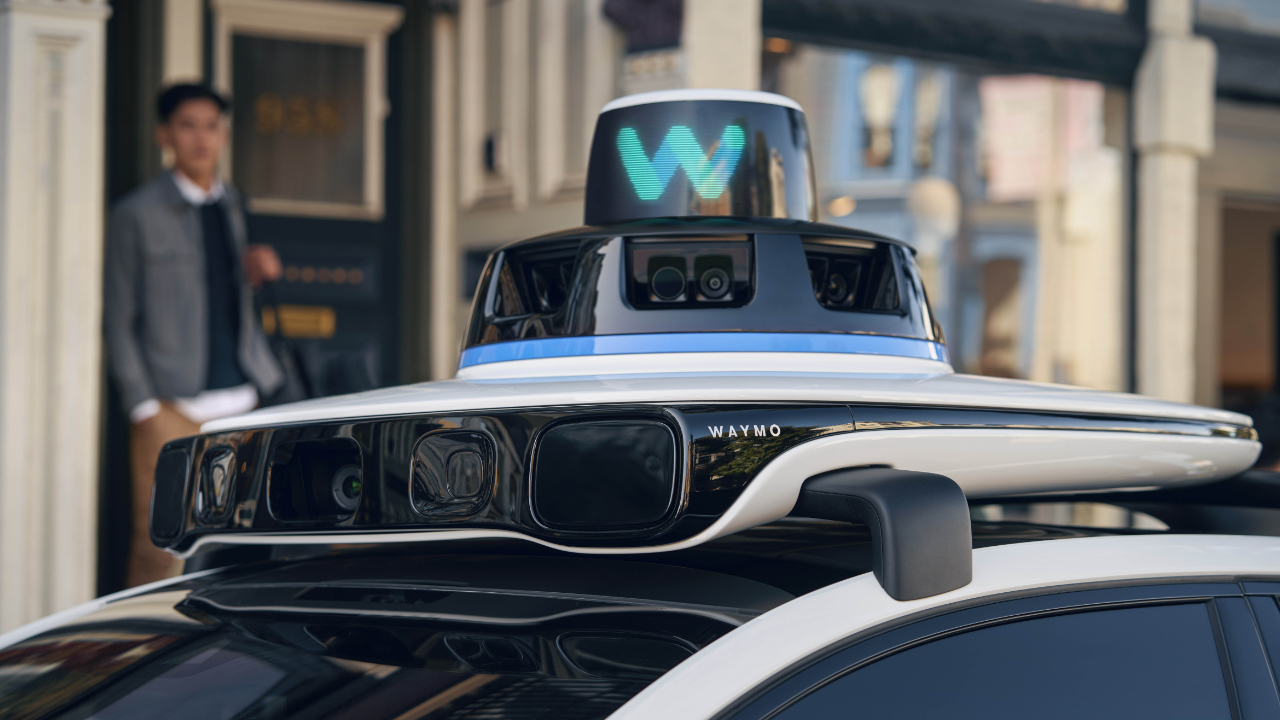
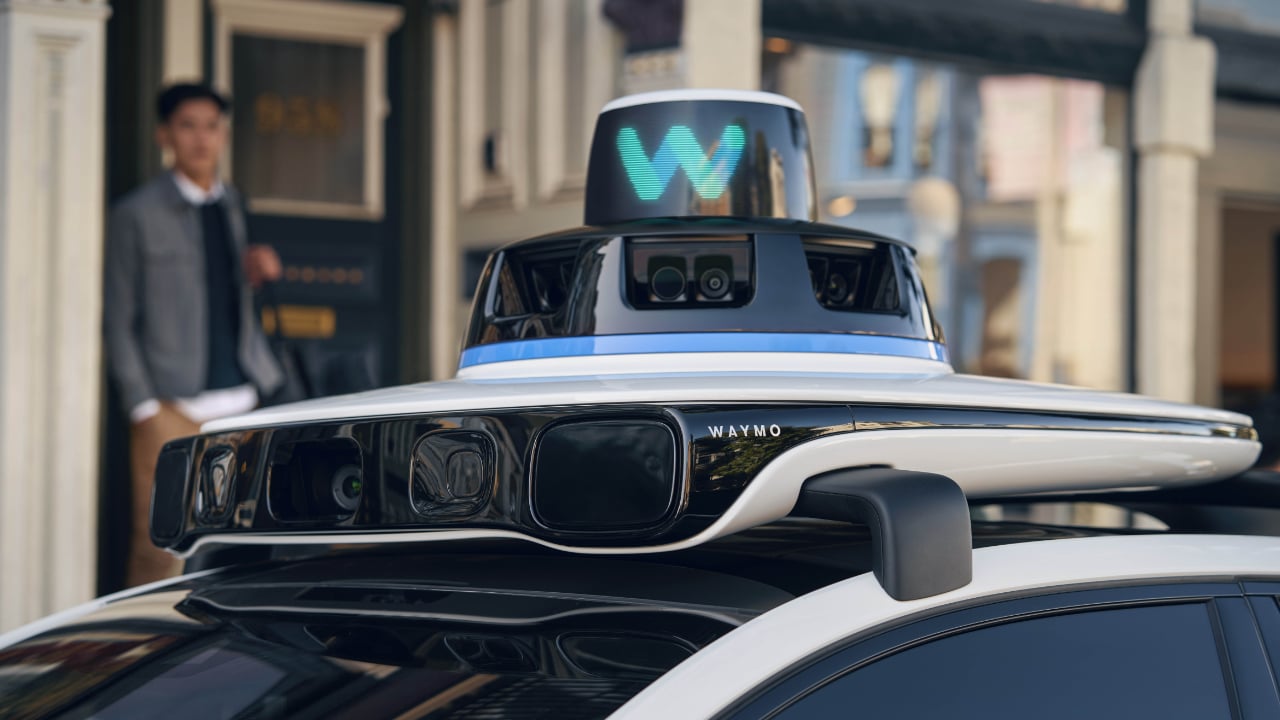
When the future of transportation rolls around the corner, you might expect to see smooth, silent robotaxis gliding along city streets with never a human in sight. That futuristic visual is real enough in Los Angeles, San Francisco and other U.S. cities where Waymo’s autonomous vehicles ferry thousands of riders each week.
But scratch the surface and you’ll find an unexpected cast of characters keeping those driverless dreams from literally stalling: a secret army of humans called in to solve everyday problems automation still can’t handle.
For example, a deer is independent enough until it gets stuck in a ditch. Or a fence. Lacking human language proficiency, the deer proceeds to make efforts—however futile—to extricate itself, often accompanied with animal noises as it cries out in distress. It needs to be free, whereupon it cannot free itself — not without the almighty human assistance. This very scenario is playing out in the AV’s (autonomous vehicles) ‘independent’ co-existence with the human race.
The Night a Robotaxi Begged to Be Set Free
On a recent late night on Los Angeles’ Sunset Strip, Don Adkins heard a strange plea for help that no one could have predicted. According to The Washington Post, a robotaxi halted in the street was repeatedly asking a synthetic voice for assistance closing its rear door. Like the deer, it is stuck, and cannot move, for it is designed to stay put until all doors are shut. The best it can do is beg for human assistance to close the doors and free it to move. Just like the deer caught in a thicket.
At first Adkins thought it was a prank. The vehicle in question was a Jaguar‑branded Waymo robotaxi, fully autonomous and apparently stuck because a door had not latched properly. After a frustrated driver behind the stranded robot began honking, Adkins stepped into the road and pushed the door shut, freeing the car to resume its trip.
That kind of encounter might seem like a one‑off oddity, but in the world of autonomous taxis, it is becoming part of the daily rhythm. These vehicles, powered by advanced sensors, artificial intelligence and detailed maps, are brilliant at navigating complex city streets without anyone behind the wheel.
But they remain vulnerable to trivial issues that a human driver would fix instinctively: a door left open, a seatbelt jammed, a depleted battery. When one of these problems crops up, the robotaxi simply stops and waits for help.
A New Kind of Roadside Assistance

Because relying on random passersby is hardly scalable or safe, Waymo and similar services have built in a human fallback. When a robotaxi strikes trouble, a request goes out through an app that works a bit like Uber for roadside help. Local tow‑truck operators and gig workers sign in, accept the task and head out to assist. Workers can get about $20 or more to close a stubborn door and higher rates for bigger tasks like towing a vehicle to a charging station.
The Washington Post spotlighted tow operator Cesar Marenco in Inglewood, California, who has become something of a regular rescuer for Waymo cars. In one rescue he had to remove a seatbelt caught in a rear door while wearing Meta smart glasses and filmed the whole thing for TikTok.
The result is a strange new landscape of “robotaxi rescue” gigs that did not exist a few years ago. For some workers, these are convenient side missions. For others, they raise real questions about just how “autonomous” fully automated transit can be when it still leans on humans for basic functions.
Operators report that finding stalled robotaxis can be challenging, especially when GPS coordinates aren’t precise enough to guide a tow truck down narrow city streets. Some say the compensation doesn’t always cover time and fuel, especially for jobs that require hauling a vehicle out of traffic.
The Future Still Needs People
The reliance on humans as a safety net has drawn fresh attention after unusual events like a major power outage in San Francisco this month. When a substation fire knocked out power to much of the city and shut down traffic lights, dozens of robotaxis came to a halt mid‑intersection.

Programmed to treat dark lights as four‑way stops, the vehicles waited for confirmation from remote operators before proceeding. A sudden surge in assistance requests overwhelmed response teams and contributed to traffic chaos until Waymo temporarily paused its services and worked with city officials to clear the gridlock.
That incident reminds industry watchers that automation still depends on a web of humans at every level: remote supervisors, roadside responders, and city officials. It also highlights how the promise of removing humans entirely from driving has evolved into something different.
Rather than displacing people, autonomous fleets are creating new jobs, reshaping labor in transportation in unexpected ways. Instead of taxi drivers behind the wheel, we have door closers, battery rescuers and gig workers darting around cities at the behest of an app.
The companies behind these fleets are not unaware of these shortcomings. Waymo and others are experimenting with updated vehicles with automated doors and better battery systems that could reduce the need for rescue calls. They are educating riders on how to interact properly with the cars they summon. Yet for now, it seems that even as technology leaps forward, the human touch remains essential to keep the wheels turning.
Apparently, autonomous vehicles may not need steering wheels, but they still rely on the messy, unpredictable world of humans to make sure they don’t get stuck in it.