Published on
December 23, 2025
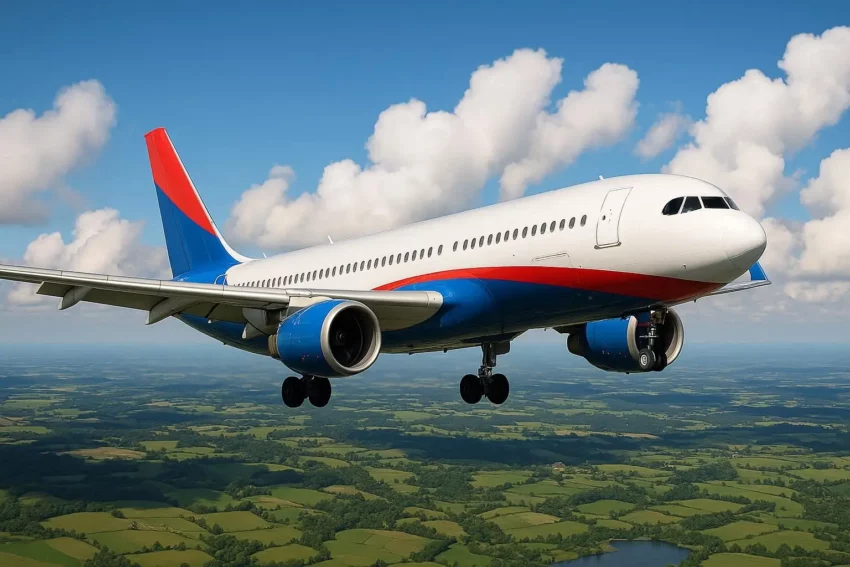
A Ryanair Boeing 737 operating at Edinburgh Airport in Scotland, United Kingdom, was involved in a ground collision with a fuel truck during pre-departure taxi, drawing immediate attention within the European travel and tourism sector. The aircraft, scheduled to operate a flight to Faro Airport in Portugal, experienced a low-speed impact that resulted in a precautionary evacuation and a short operational delay, while airport activities continued without disruption. Incidents of this nature, though rare, highlight the complexity of ground operations at major international airports and the importance of coordinated responses among airlines, ground handlers, and emergency services.
The event was managed swiftly, with no injuries reported and passengers later continuing their journey on a replacement aircraft. The response at Edinburgh Airport demonstrated the effectiveness of established safety protocols designed to protect travelers and maintain confidence in air travel across Europe. As Ryanair, one of the continent’s largest low-cost carriers, continues to connect destinations across the United Kingdom, Portugal, and Greece, such incidents are closely observed by aviation authorities and tourism stakeholders alike. The following account provides a comprehensive, humanized overview of the incident, its response, and its relevance to modern European aviation and travel infrastructure.
Ground Incident During Taxi at Edinburgh Airport
A ground incident was confirmed involving a Ryanair Boeing 737 MAX aircraft at Edinburgh Airport (EDI) shortly after 10:00 a.m. local time. The aircraft was in the final stages of taxiing for departure when its wing tip made contact with a fuel tanker positioned on the airfield. The flight was scheduled to operate from Edinburgh to Faro Airport (FAO) in Portugal, a popular leisure destination for travelers from the United Kingdom.
The aircraft was moving at low speed, a factor that significantly reduced the severity of the contact. As a precautionary measure, passengers were instructed to disembark in an orderly manner. Communication from the flight crew was provided promptly, ensuring that travelers were kept informed and reassured while the situation was assessed.
Passenger Experience and Precautionary Measures
Passengers onboard the affected Ryanair flight were not exposed to immediate danger, and no injuries were reported. The decision to disembark was taken as a standard safety precaution, reflecting established aviation procedures for ground incidents involving aircraft and fuel vehicles.
Eyewitness accounts indicated that the cabin environment remained calm, with crew members maintaining control and providing guidance throughout the process. Such responses are critical in preserving passenger confidence, particularly in high-traffic airports like Edinburgh, which serves as a key gateway for tourism in Scotland and the wider United Kingdom.
Emergency Response and Coordination
The Scottish Fire and Rescue Service responded rapidly after receiving an alert at 10:04 a.m. local time. Six fire appliances were initially dispatched to the scene as a precaution, underscoring the seriousness with which airport authorities treat any incident involving aircraft and fuel equipment.
Following a thorough on-site assessment, most emergency resources were stood down, with only one appliance remaining briefly to coordinate with airport officials. Emergency crews confirmed that no further assistance was required, and the response was concluded within approximately ten minutes. Throughout this period, Edinburgh Airport operations continued normally, and no other flights were affected.
Airline and Ground Handling Statements
It was confirmed by Ryanair that the aircraft wing tip had come into contact with the cab of a fuel truck operated by Swissport, a major global ground handling provider. The incident occurred during routine pre-departure taxi procedures.
Passengers were safely disembarked, and the aircraft was removed from service for inspection. To minimize disruption to travelers, a replacement aircraft was arranged to operate the Edinburgh to Faro service. During the delay, airport vouchers were provided, reflecting standard customer care practices within the European travel and tourism industry.
Swissport acknowledged the incident and reiterated that safety remains its highest priority. Cooperation with Ryanair and local authorities was confirmed as part of an ongoing review process aimed at understanding the circumstances and reinforcing ground safety measures.
Aircraft Status and Operational Impact
The Ryanair Boeing 737 MAX involved in the incident was withdrawn from service pending inspection and assessment. Such actions are routine following ground contact events and are required under aviation safety regulations.
Despite the incident, Edinburgh Airport confirmed that there was no impact on wider airport operations. This continuity is particularly significant for Scotland’s tourism sector, which relies heavily on consistent air connectivity for both leisure and business travelers from across Europe.
Reference to a Similar Incident in Greece
Attention was also drawn to a previous Ryanair ground incident involving a Boeing 737 operating flight FR6080 from London Stansted Airport (STN) in England, United Kingdom, to Kalamata International Airport (KLX) in Greece. In that case, the aircraft sustained wingtip damage after striking a ground barrier while taxiing post-landing.
The aircraft had landed safely, and the collision occurred while taxiing to the stand. Passengers remained onboard while emergency teams conducted safety checks, a decision aligned with standard procedures to assess fire risk and fuel system integrity. No injuries were reported, and passengers later disembarked normally.
Crew Actions and Passenger Management
During the Greece incident, passengers reported hearing a loud impact sound, followed by a period of waiting while inspections were carried out. Although some confusion was expressed, the decision to keep passengers seated was made in the interest of safety.
Subsequent inspections confirmed that the situation was stable, and the aircraft later underwent full maintenance checks. After repairs were completed, the aircraft was cleared for service and operated a return flight to London Stansted, demonstrating the robustness of maintenance and regulatory oversight within European aviation.
Broader Implications for European Travel and Tourism
Ground incidents involving commercial aircraft, while uncommon, serve as important reminders of the complexity of airport operations. For major carriers like Ryanair, which connect destinations across the United Kingdom, Portugal, and Greece, maintaining high safety standards is essential to sustaining traveler confidence.
From a travel and tourism perspective, the swift resolution of the Edinburgh Airport incident highlights the resilience of aviation infrastructure in Scotland and the broader UK. Effective coordination among airlines, ground handlers, and emergency services ensures that disruptions are minimized and passenger safety remains paramount.
Focus on Safety and Continuous Improvement
No formal investigation has been announced in relation to the Edinburgh incident at the time of the latest update. However, such events typically prompt internal reviews and reinforce the importance of ground movement awareness and taxiway clearance procedures at busy international airports.
As air travel demand continues to grow across Europe, particularly to leisure destinations in Portugal and Greece, continuous improvement in ground safety practices remains a shared responsibility among all stakeholders in the aviation ecosystem.
The Ryanair Boeing 737 ground collision at Edinburgh Airport was managed efficiently, with passenger safety preserved and minimal impact on airport operations. The incident underscores the effectiveness of established safety protocols within the United Kingdom and highlights the importance of vigilance in airside operations.
For travelers exploring destinations across Scotland, Portugal, and Greece, the event serves as reassurance that robust systems are in place to handle unexpected situations. In the broader context of European travel and tourism, such responses reinforce confidence in air travel as a safe and reliable mode of transportation.