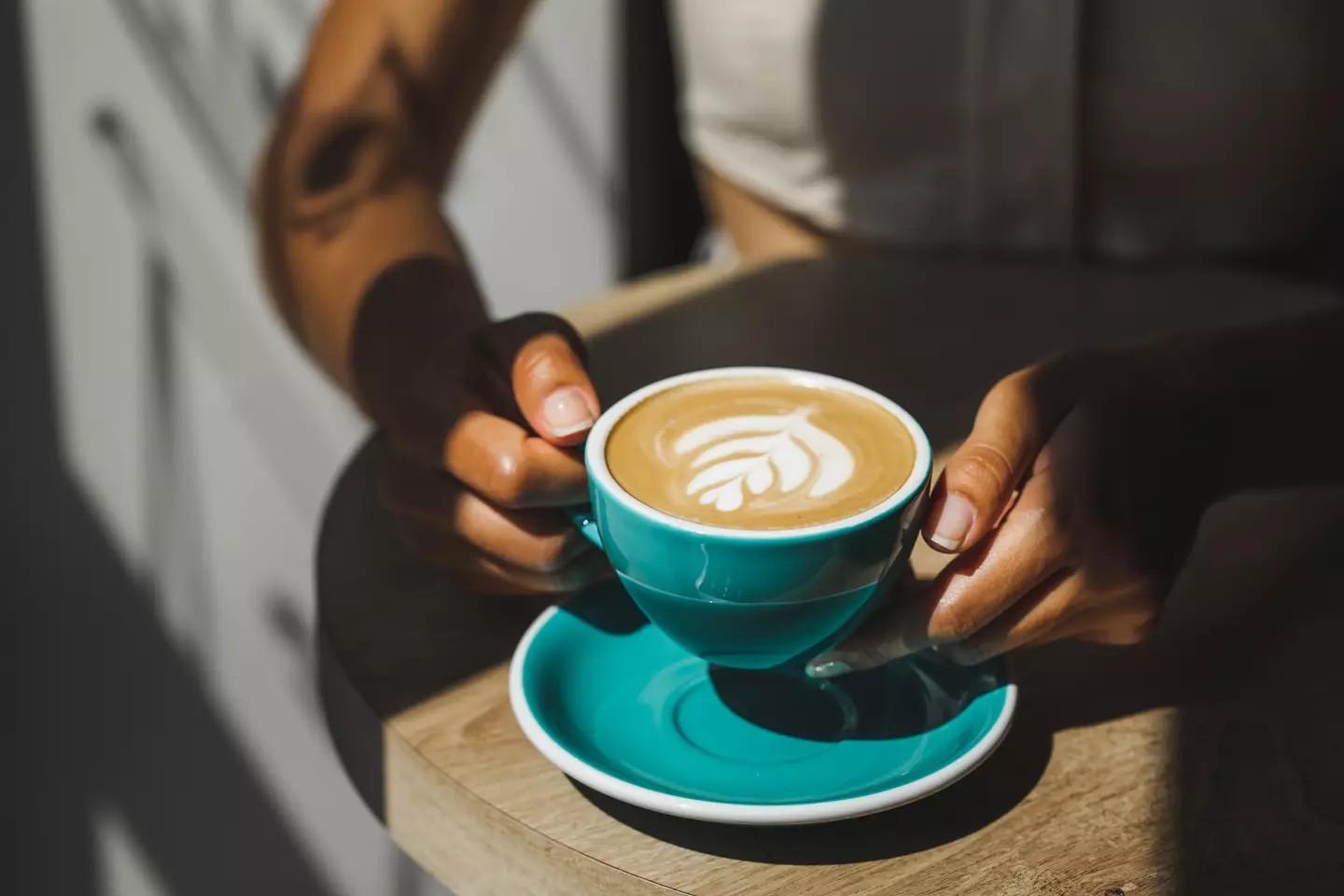
A morning coffee is a big part of many people’s routines, but sometimes, you might notice that your regular coffee makes you feel a little off.
We’re talking jittery, anxious and a racing heart rate.
Often, this can happen from having a super strong coffee, more caffeine than usual, or from drinking your coffee on an empty stomach.
However, for some people, this is a regular occurrence from consuming caffeinated drinks – meaning that morning flat white isn’t quite so enjoyable.
So, have you ever wondered what actually happens to your body and mind while drinking coffee?
Let’s get into it.
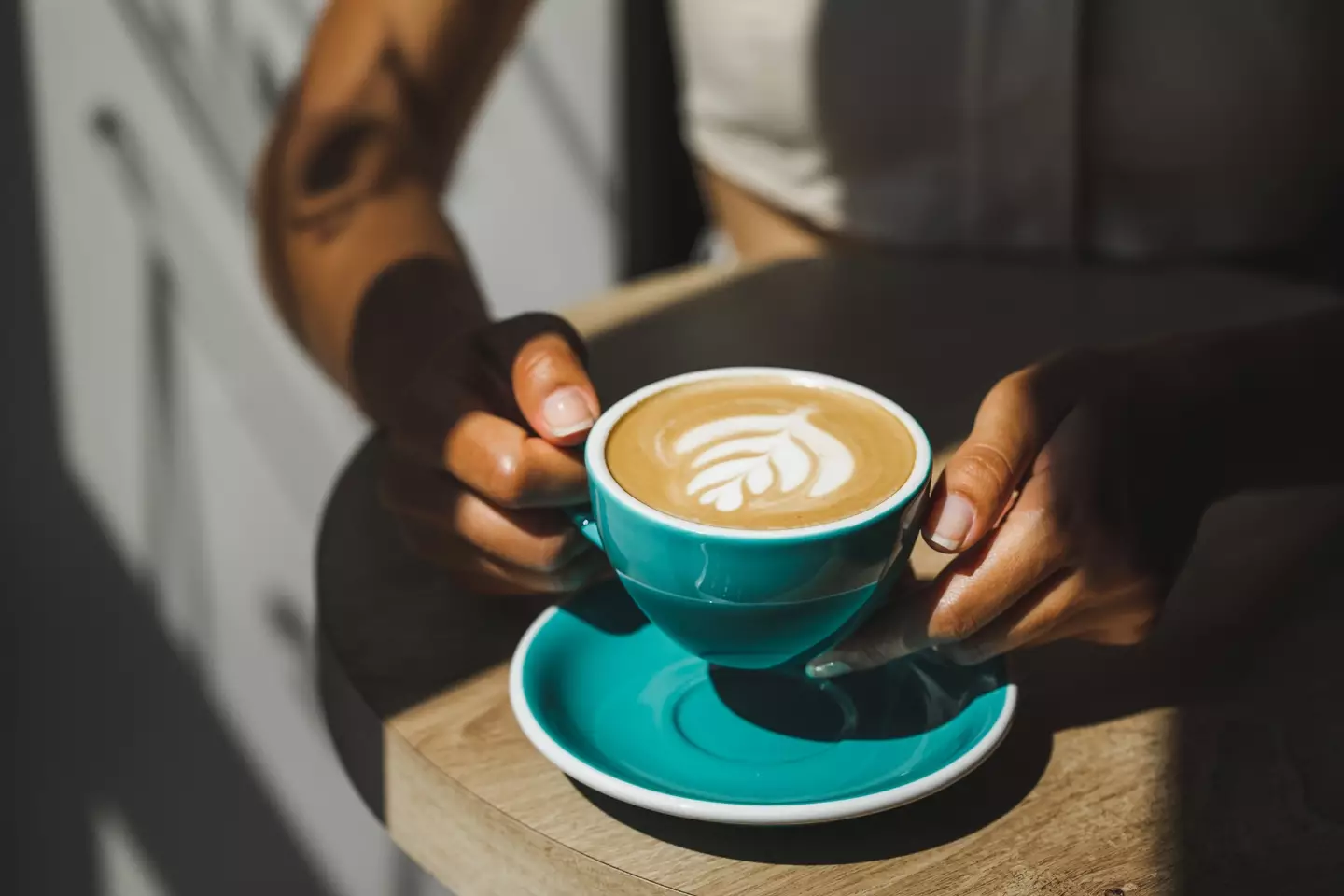
Does your morning coffee ever make you anxious? (Getty Stock Photo)
What happens to your body when you drink coffee?
The effects of drinking coffee tend to take place within 15 to 45 minutes of drinking.
According to Time, once caffeine reaches the brain, it blocks adenosine receptors, which leads to a release of dopamine and norepinephrine, which are responsible for ‘heightened alertness, increased arousal, and reduced fatigue’, explains Dr Amin Yehya, a cardiologist at Sentara Health.
Dr John Higgins, a cardiologist at UTHealth, adds that this process ‘removes that brake, neurons fire faster, cortical arousal increases, and blood vessels constrict slightly, raising blood pressure and creating physical sensations many people interpret as nervousness’.
While some may interpret these changes as feeling more alert and capable, others will feel anxious and on edge.
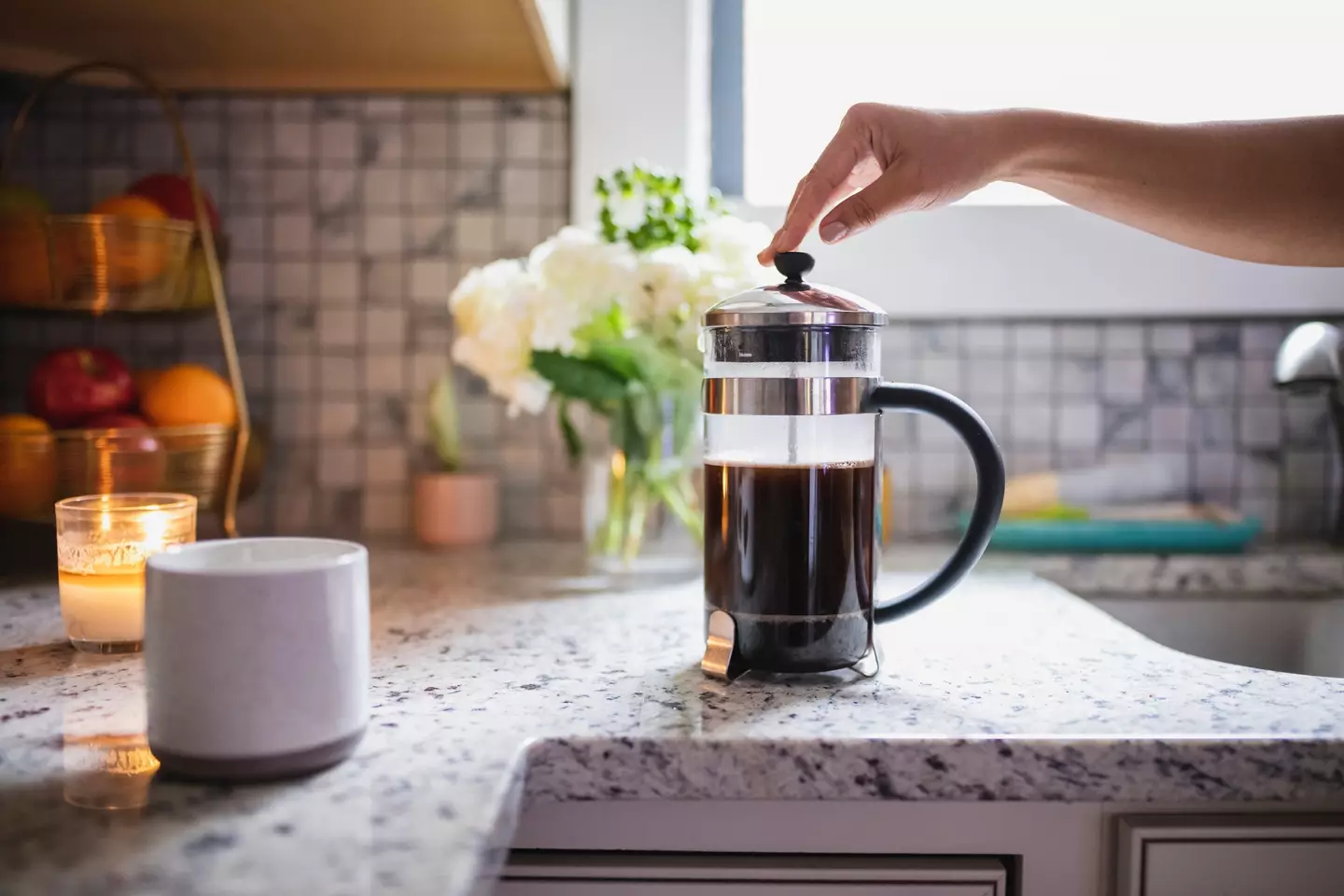
The effects of coffee begin to take hold around 15 to 45 minutes prior to drinking (Getty Stock Photo)
A ‘fight or flight’ response
Consuming caffeine also triggers the ‘fight or flight’ response, in which you’ll likely see an increase in heart rate and blood pressure.
According to UCLA Health, a number of studies have concluded that caffeine could be significantly linked to an increase in anxiety, even in those who do not suffer with mental health issues.
However, it’s also recognised that caffeine can worsen already existing anxiety.
How much coffee is too much coffee?
So, how much caffeine should we drink to avoid any unwelcome side effects?
Ultimately, everyone is different. Some people are more sensitive to caffeine than others, meanwhile if you’re going through a particularly stressful or anxious time, you may find your tolerance threshold to be lower.
For example, liver enzymes that break down caffeine can vary in different people. In some, they remove caffeine from your bloodstream quickly and so the effects are minimal.
In others, it may take longer.

Some people have a higher tolerance to caffeine than others (Getty Stock Photo)
Then there’s the adenosine receptors in your brain and how your own specific genes involved in this process bind with caffeine molecules.
UCLA Health explain: “The ADORA2A gene determines how resistant adenosine is to binding with caffeine molecules.
“If your adenosine receptors are willing to bind with caffeine, you are more likely to feel alert — and therefore more anxious. The less adenosine binds with caffeine, the more it can do its job and the more relaxed you’ll feel.”
It’s reported that those who consume 400mg or more caffeine each day have a higher risk of anxiety.