When you’re shopping for a car, the engine is basically the heart of the whole operation. You want something that’ll start every morning, handle your commute without drama, and still be running strong when you’re handing down the keys years later.
Some manufacturers have built their reputations on engines that just refuse to quit, racking up hundreds of thousands of miles like it’s nothing. These are the brands that make mechanics smile because they see them so rarely, and the ones that have entire online communities dedicated to their legendary durability.
Here’s a look at the automotive companies that have truly mastered the art of building engines that last.
Toyota

Toyota’s reputation for reliability isn’t just marketing hype — it’s backed by decades of engines that simply won’t die. The legendary 2JZ inline-six and the more recent 2GR V6 have become icons in the automotive world, with owners regularly posting odometer photos showing 300,000+ miles.
What makes Toyota engines special is their conservative engineering approach, where they prioritize longevity over pushing performance boundaries. They use proven technologies, simple designs, and generous tolerances that forgive less-than-perfect maintenance.
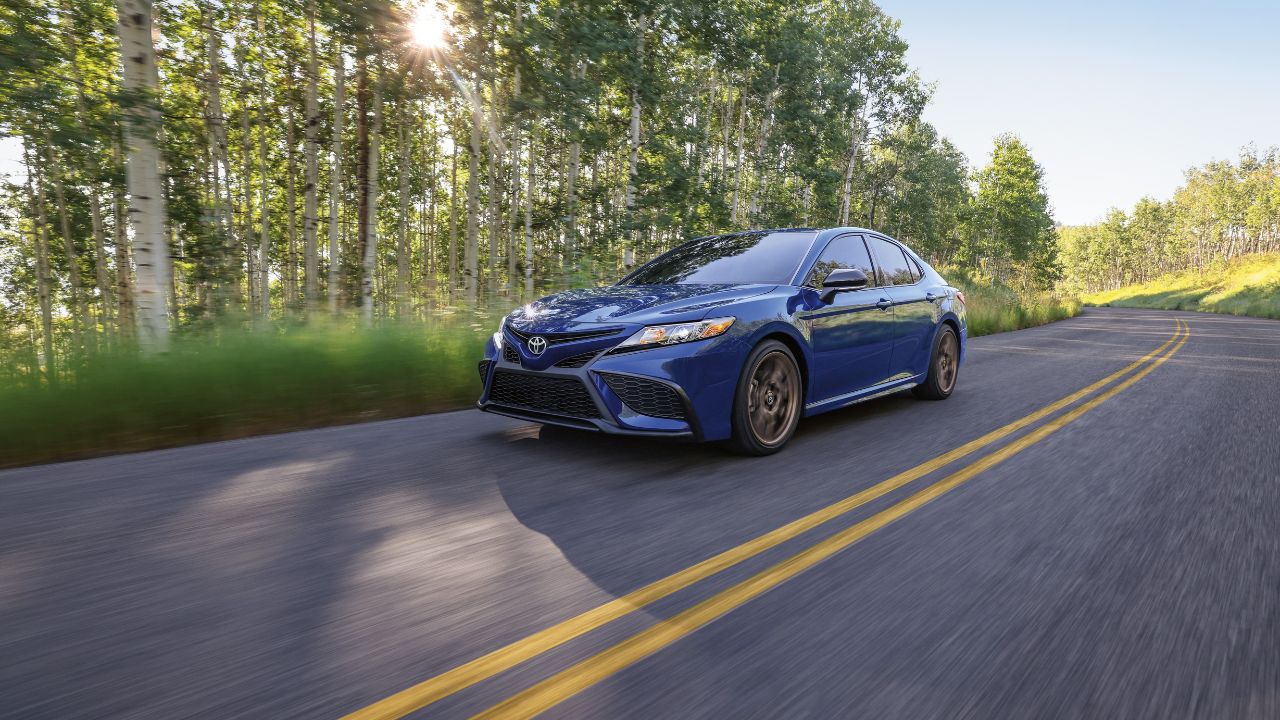
The brand’s commitment to reliability is so strong that many taxi and rideshare drivers swear by Camrys and Corollas, knowing they’ll rack up miles without constant trips to the shop.
Honda

Honda engines have earned a cult following among enthusiasts who appreciate both reliability and a bit of spirited driving. The brand’s VTEC technology manages to deliver engaging performance while maintaining impressive longevity, which is a tough balance to strike.
Honda’s secret sauce involves meticulous engineering, excellent metallurgy, and a focus on high-revving designs that don’t sacrifice durability. Models like the Accord and Civic regularly see 200,000 miles with just routine maintenance, and their engines are known for running smoothly even at high mileage.
The company’s racing heritage translates into engines that love to be driven hard but won’t punish you for it with repair bills.
Lexus

Lexus takes Toyota’s already impressive reliability and wraps it in luxury packaging with even more refined engineering. Their engines benefit from Toyota’s proven platforms but often receive additional quality control measures and premium components.
The brand consistently ranks at the top of reliability surveys, with owners reporting remarkably few engine issues over long ownership periods. Lexus engines are engineered with such precision that many models feel almost as smooth at 150,000 miles as they did when new.
It’s the rare luxury brand where you don’t have to budget for constant repairs, making it a favorite among those who want premium without the premium maintenance headaches.
Mazda

Mazda flies a bit under the radar in reliability discussions, but their Skyactiv engines have proven to be seriously dependable workhorses. The company’s obsession with efficiency led them to develop engines that extract maximum performance from every drop of fuel without unnecessary complexity.
Their naturally aspirated designs avoid some of the potential weak points that come with forced induction, contributing to their longevity. Mazda engines are known for maintaining their peppy character well into high mileage, and the brand’s commitment to driving enjoyment means they’re fun to own long-term.
Owners often report that regular oil changes and basic maintenance are all these engines need to keep running strong.
Subaru

Subaru’s boxer engines are distinctive in design and have built a loyal following thanks to their durability in challenging conditions. The horizontally-opposed layout provides a lower center of gravity and inherent balance that contributes to smooth operation over time.
Subaru reliability varies by engine family and era; while many modern models perform well, Subaru has had notable historical issues (e.g., earlier head gasket concerns and some oil-consumption complaints), so condition and maintenance matter.
Subaru owners in snowy climates often drive their cars for decades, racking up impressive mileage while tackling conditions that would sideline less robust vehicles.
Porsche

You might not immediately think of a sports car brand when discussing reliability, but Porsche engines have a well-earned reputation for longevity. Their flat-six engines, whether air-cooled classics or modern water-cooled variants, are engineered to withstand sustained high-performance driving. Some early water-cooled generations (M96/M97 era) are associated with well-known IMS-bearing concerns, so longevity depends heavily on model year, engine type, and maintenance history.
Porsche approaches engine design with German precision and racing-derived technology that’s been tested under extreme conditions. Many Porsche owners track their cars regularly and still see them reach high mileage with proper maintenance.
The brand proves that performance and reliability aren’t mutually exclusive, though you’ll want to keep up with that maintenance schedule to enjoy both benefits.
Acura

As Honda’s luxury division, Acura benefits from the same engineering philosophy that makes Honda engines legendary. Their powerplants offer refined performance with the peace of mind that comes from Honda’s proven reliability track record.
Acura engines typically feature more advanced technologies and premium materials while maintaining the fundamental durability that the parent company is known for. Models like the TLX and MDX combine engaging driving dynamics with engines that owners report running smoothly well past 200,000 miles.
It’s a brand that delivers upscale driving experiences without the typical luxury car reliability concerns.
Kia

Kia has improved substantially in recent years, particularly with newer Smartstream engines, but some earlier engine families (including Theta II) have been associated with well-documented failures and litigation/settlements.
Kia’s commitment to quality control has resulted in engines that compete favorably with established Japanese brands in long-term dependability. Their powertrains benefit from parent company Hyundai’s engineering resources and a genuine effort to build lasting customer confidence.
The 10-year/100,000-mile powertrain warranty demonstrates Kia’s confidence in their engines’ ability to go the distance.
Hyundai

Hyundai has improved in recent years and offers strong warranty coverage, but some past engines experienced significant issues; reliability can vary by engine family and model year.
Their Smartstream engine lineup incorporates advanced technologies while maintaining good durability records among owners. Hyundai engines benefit from conservative tuning that prioritizes longevity, and the brand’s generous warranty coverage provides added peace of mind.
Models across their lineup are increasingly showing up in high-mileage club discussions, earning respect from owners who’ve put them through their paces.
BMW

BMW inline-six engines have achieved near-mythical status among enthusiasts for combining performance with surprising longevity. The legendary M50, M52, and more recent B58 engines are known for reaching high mileage when owners stay on top of maintenance.
BMW’s engineering excellence shines through in engines that deliver thrilling performance while incorporating robust designs. The key with BMW engines is respecting the maintenance intervals — do that, and you’ll likely enjoy a powerplant that stays strong for years.
Many enthusiasts seek out older BMWs specifically for their proven engine designs, knowing these motors can be trusted for the long haul.
Ford

Ford’s workhorse engines, particularly their naturally aspirated V8s and the Duratec four-cylinders, have proven themselves across millions of miles in trucks and cars. The 5.0-liter Coyote V8 has become a modern classic, delivering strong performance while racking up impressive mileage in everything from Mustangs to F-150s.
Ford’s truck engines especially benefit from over-engineering designed to handle commercial use and heavy loads. While some of their EcoBoost turbocharged engines are still proving themselves long-term, Ford’s traditional powerplants have established track records of durability.
The brand’s focus on fleet and commercial applications means they build engines that can take serious abuse and keep running.
Chevrolet

Chevrolet’s small-block V8 legacy speaks volumes about the brand’s ability to build engines that last generations. The LS and LT engine families have become icons in the automotive world, known for their simplicity, power, and incredible durability.
These engines power everything from sports cars to heavy-duty trucks, handling diverse applications with impressive reliability. Chevy’s four-cylinder and V6 engines in their passenger cars have also shown good longevity when maintained properly.
The brand’s engines benefit from decades of refinement and a large parts ecosystem that makes keeping them running easier and more affordable than many alternatives.
Conclusion

The brands on this list have earned their reputations through years of building engines that keep running when others would have given up. What they share is a commitment to sound engineering principles, quality materials, and designs that prioritize longevity alongside performance.
Whether you’re looking at a Japanese brand known for conservative engineering, a German manufacturer that refuses to compromise on precision, or an American company building truck engines that can handle anything, these manufacturers understand what it takes to create lasting powertrains.
The good news for car buyers is that reliable engines are available across price points and vehicle types, so you don’t have to sacrifice dependability to get the features or performance you want