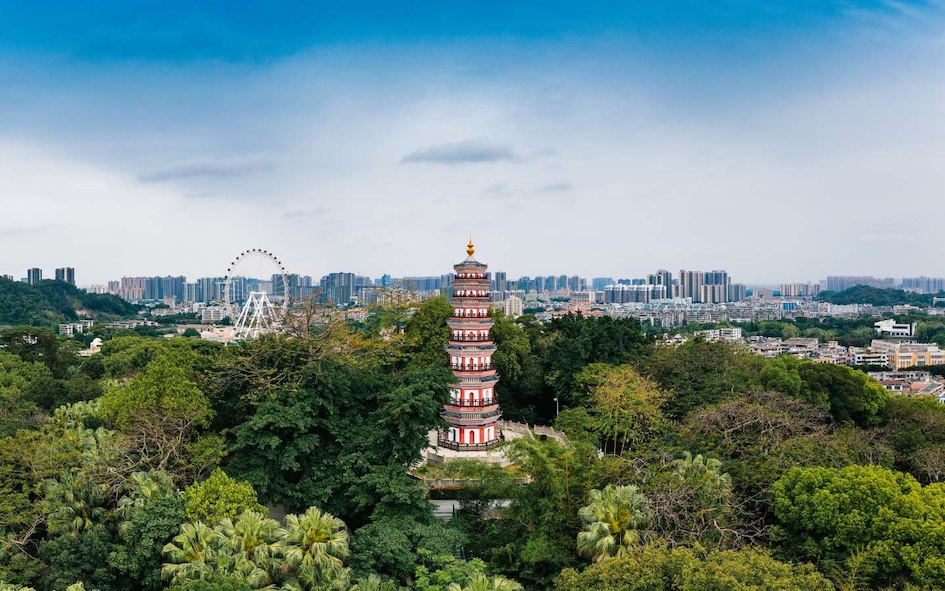
Can you name any Greater Bay Area cities outside of Macao, Hong Kong, Guangzhou, Shenzhen and Zhuhai? Perhaps some of us have ventured to Zhongshan and Dongguan – but let’s be honest, can we really claim to know these other six cities that we’ve been buddied up with in the Greater Bay Area megalopolis?
Here is our quick guide to some of the best attractions in each city, whether it be limestone crags, ancient villages, or cultural performances, and of course, what to eat while you’re there.
[See more: The Shenzhen-Zhongshan Link aims to become a tourist attraction]
Read on to find out more about our lesser known Greater Bay Area neighbours.
Zhongshan: The hometown of Sun Yat-Sen
Zhongshan is a destination that can be explored in a day or two – and is a city whose attractions mostly revolve around the prominent Dr Sun Yat-Sen, the thinker and revolutionary who founded the Republic of China.
Discover the legacy of the father of modern China at the Museum of the Former Residence of Dr. Sun Yat Sen (孫中山故居紀念館), which is classed as a National 5A-level Scenic Area.
Stroll down the picturesque Sunwen West Road Pedestrian Street (孫文西路步行街), where European arcades meet Lingnan architecture, and vintage shopfronts create a vibrant, century-old atmosphere that dazzles after dark.
[See more: Here are five lesser-known islands in Hong Kong you should visit]
For a change of pace, find tranquil beauty at Zhan Park (中山詹园), a lovely landscaped garden with classical pavilions and winding paths.
Zhongshan is arguably the most famous place in China for roast pigeon. Try Shiqi pigeon, which is cooked until its skin is crisp while the meat stays juicy. Shaxi braised pork belly is also a must-try. This sweet and rich dish is usually served with preserved taro or arrowroot.
Jiangmen: UNESCO World Heritage diaolou
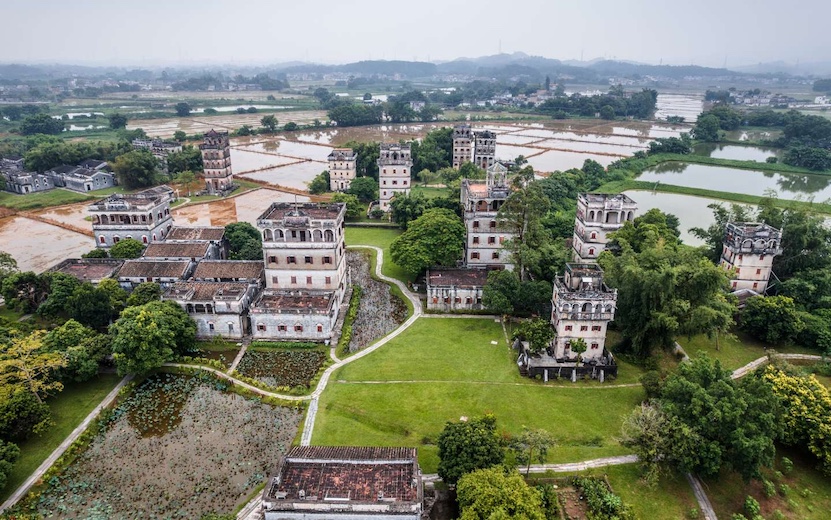
Jiangmen’s crown jewel, Kaiping diaolou (开平碉楼), is the unique cross-cultural legacy of the wealthy overseas Chinese. Byzantine roofs and Corinthian columns meet traditional Chinese frescoes in these historical homes, typically built by wealthy returnees who incorporated architectural references from the Western places where they had made their fortunes.
Dive into local life at the 700-year-old Gulou Water Village (古劳水乡), a serene landscape of canals and stone bridges, or explore the historic Thirty-Three Market Street (三十三墟街), a vibrant hub of Cantonese snacks and traditional crafts famed from the Chinese hit drama The Knockout.
[See more: Here are some of the best things to do in Hengqin]
Don’t miss the sprawling ‘Big Turtle Laughing Shrimp’ night market (大鳌笑虾虾夜市) for an array of local delicacies or the original Heytea shop, the only place where you can get its exclusive Cheesy Citrus Milk Tea, which is sprinkled with Xinhui aged tangerine peel.
Foshan: The Ancestral Temple Museum, ceramics and the roots of Bruce Lee
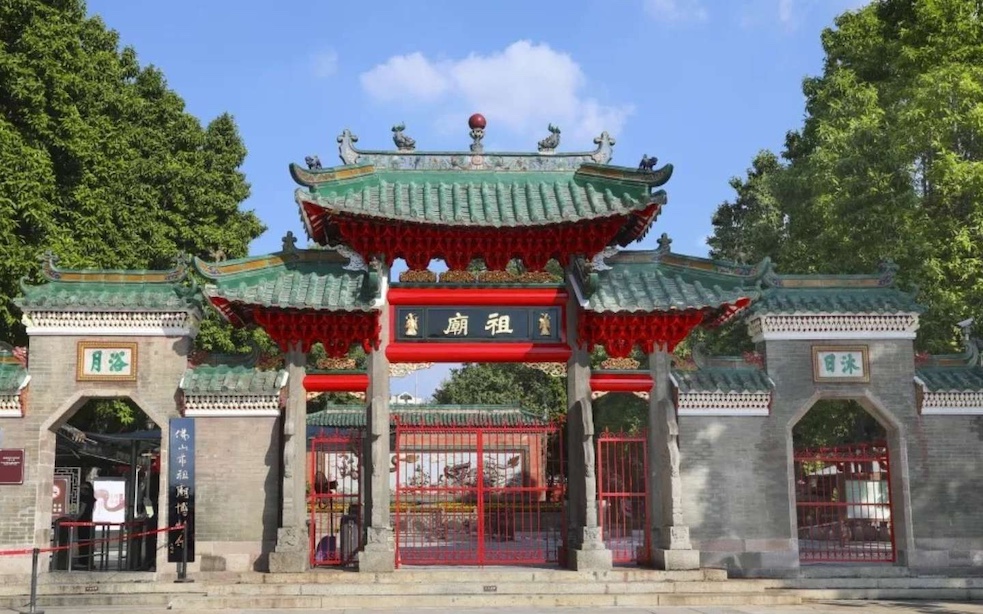
Foshan is celebrated for its martial arts heritage, centuries-old ceramics, and famous cuisine.
A must-see is the Foshan Ancestral Temple Museum (佛山祖庙), a 600-year-old Taoist monument dedicated to the deity Xuanwu, which is now a living museum of Cantonese culture. The temple was originally constructed during the Song Dynasty and rebuilt in the Ming Dynasty, and features two memorial halls honouring Foshan’s legendary martial artists, Wong Fei-hung and Ip Man.
There are also Cantonese opera, kung fu and lion dance performances at the museum, so check their official WeChat public account for the monthly programme schedule.
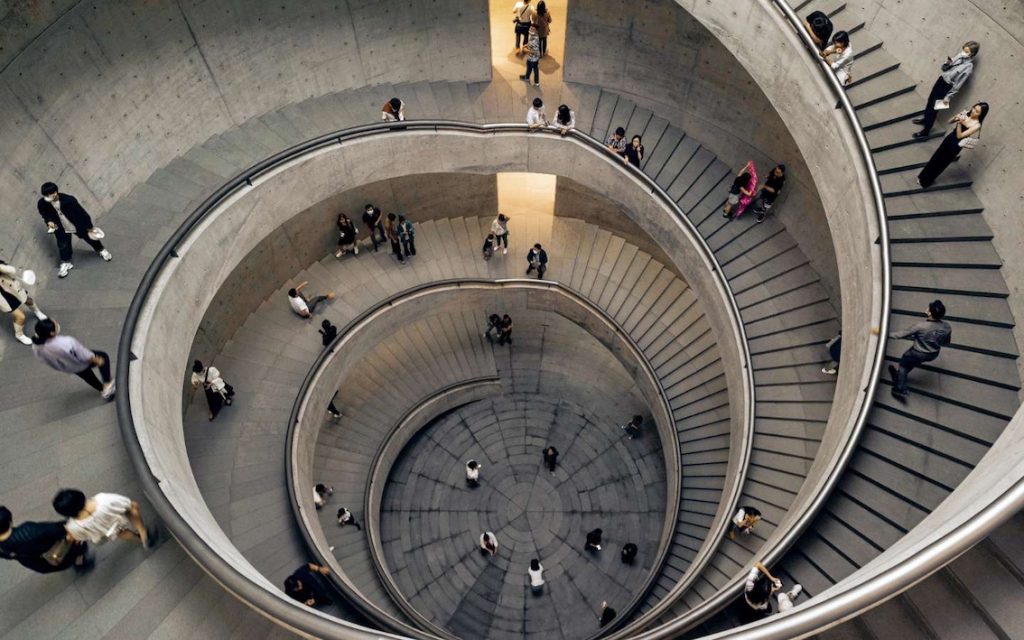
Beyond the temple, check out the Bruce Lee Ancestral Home (李小龙纪念馆) in Shunde district, a memorial to the star’s local roots. He Art Museum (和美术馆), an art museum that features international and Chinese contemporary artists, and designed by famous Japanese architect Tadao Ando, is worth checking out too.
[See more: Banyan Tree unveils a new Zhuhai property at Phoenix Bay]
Not to be missed either is the Nanfeng Ancient Kiln (南风古灶), a 500-year-old dragon kiln where artisans shape the region’s famed ceramic history. For natural grandeur, Xiqiao Mountain National Geopark (西樵镇山) offers scenic beauty and the world’s largest sitting Guanyin statue.
A journey to Foshan is incomplete without savoring its legendary cuisine, which includes delicate local desserts like the silky Shunde double-skin milk pudding traditionally made with water buffalo milk.
Another classic is the Shunde delicacy of sliced, raw fish known as yusheng (魚生). It is most famously and traditionally made from freshwater grass carp, and served with condiments like shredded ginger, crispy shallots, toasted peanuts along with peanut oil, soy sauce, and sugar.
Zhaoqing: Limestone peaks and stunning lakes
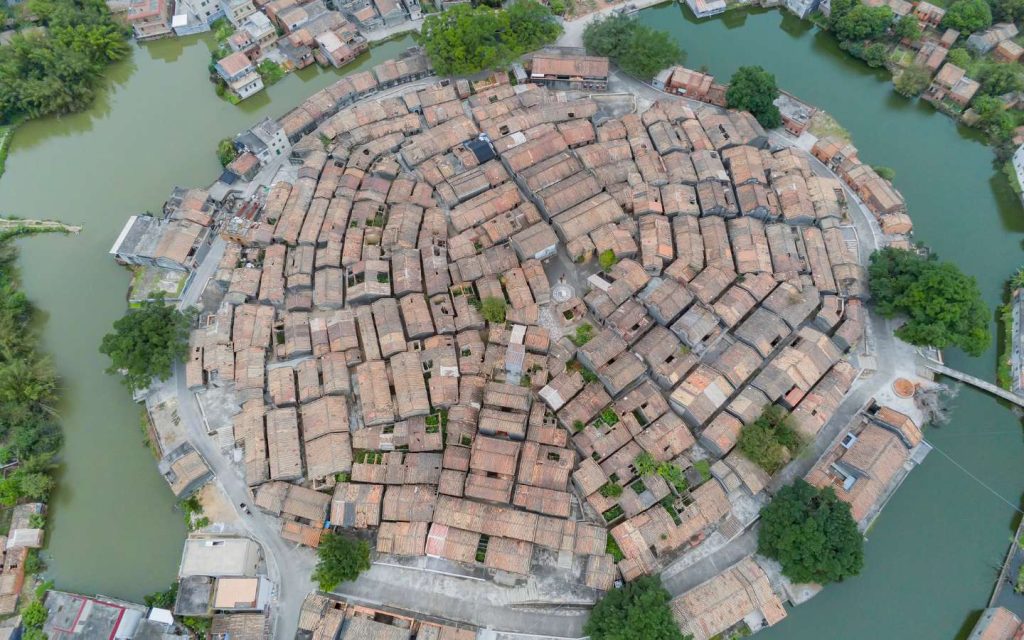
Zhaoqing is the perfect destination for those who want a break from city life. Known for its stunning limestone landscapes and serene lakes, the city’s top attractions are Seven Star Crags (七星岩) and the Dinghu Mountain (鼎湖山).
Seven Star Crags is the top attraction of Zhaoqing (see featured image). Seven limestone peaks resembling the Big Dipper frame a beautiful lake, and you can walk, bike or take a boat tour in that area. Dinghu Mountain is China’s first National Nature Reserve and is also a UNESCO Biosphere Reserve, offering ancient forests, Buddhist monuments, waterfalls, and hiking trails.
[See more: Airports in Zhuhai and Hong Kong are now connected by coach]
Visit Zhaoqing Ancient City Wall (肇慶古城牆) for one of the best-preserved Song Dynasty city walls in Southern China. The walls were further built upon in the Ming and Qing dynasties, and you can walk along the top for views of the old city. Not to be missed is Piyun Tower (“Wearing the Cloud”) on the walls, which is a hotspot for sunrises and sunsets.
If you’ve got time, head to Licha Ancient Village (黎槎村), a 700-year-old settlement 21 kilometres southeast of Zhaoqing. The village is on an island surrounded by a small river, and its houses are built in a spiral formation, giving the village a maze-like quality.
Be sure to try Zhaoqing’s zongzi, their famous glutinous rice dumplings wrapped in bamboo leaves, and filled with pork, mung bean, dried shiitake mushrooms, Chinese sausage, and salted egg yolk.
Dongguan: Ancient villages with contemporary charm
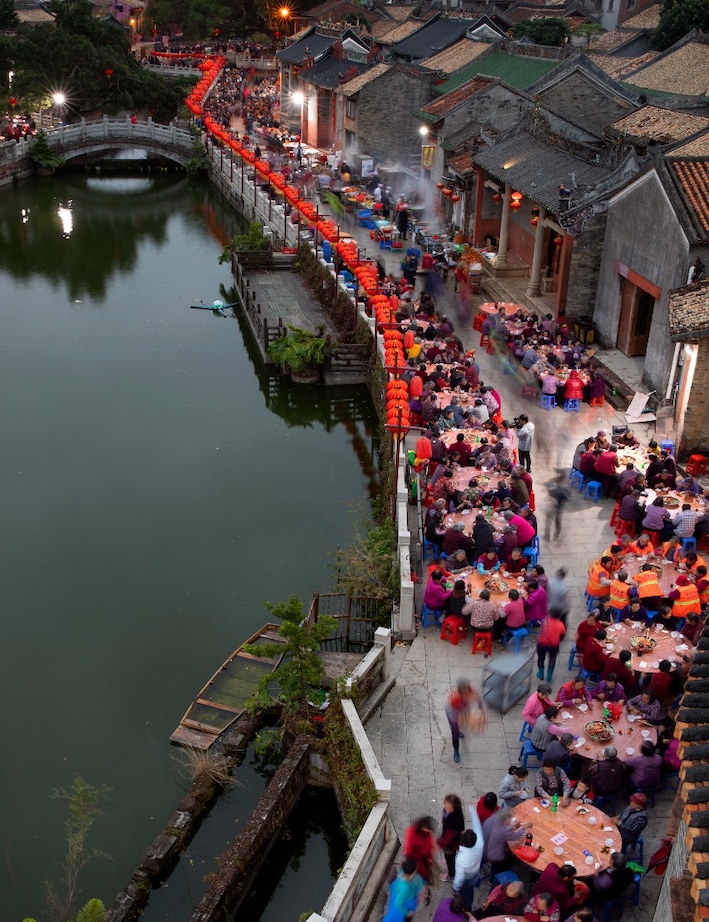
Perhaps best known for its massive manufacturing sector, Dongguan is also a city rich in history.
Songshan Lake (松山湖) is a favourite for families looking for a relaxed day out. You can stroll around the vast lake, have a picnic, or rent bicycles to cycle around. The backdrop of the lake is Huawei’s quirky research and development headquarters, which looks like several European cities tastefully blended into one. Although it makes for a scenic picture, the headquarters themselves are not accessible to tourists.
The Ancient Village of Nanshe (南社明清古村落) has over 800 years of history, and preserves a wealth of buildings that have architectural features from the Ming and Qing periods. The site has garnered 14 national honours, including National AAAA-level Tourist Attraction.
[See more: Time Out names Chengdu’s Fanghua Street as one of the coolest streets in the world]
Unwind at Xiabafang (下坝坊), an area with water-village charm and ancient Ming and Qing dynasty architecture which has since become a cultural and artistic quarter popular with the city’s youth. Numerous old houses have been repurposed to be bars, livehouses, restaurants and shops, and are illuminated with colourful lights.
In Dongguan, roast goose with lai fun, a thick Chinese rice noodle, (燒鵝瀨粉) is a quintessential local delicacy. Traditionally, the broth is simmered for hours and carries a rich meaty flavour. Roast goose is served on top, with crisp, golden skin and tender meat. Not to be missed either are Dongguan style cured meats.
Huizhou: Great mix of mountain, lake and sea
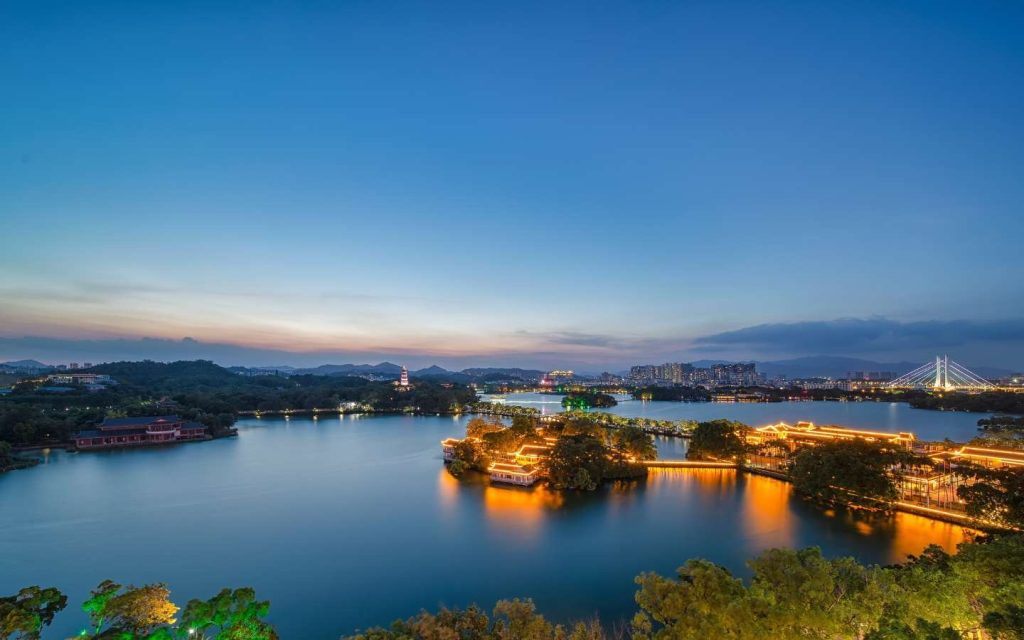
Exploring Huizhou? Begin at the bustling Shuidong Street (水东街), a national-level pedestrian district where preserved ancient shophouses create a vibrant hub for food and nightlife near landmarks like Hejiang Lou (合江楼) and the Liuhe Pagoda (六和塔). Keep an eye out for the unique Echang Bridge (鹅城大桥), known as Goose City Bridge, which resembles two geese kissing.
For tranquility, the classic landscape of Huizhou West Lake (惠州西湖) – with its serene lake, bridges, and pavilions – is close by for a perfect stroll.
[See more: Here’s how to rent a shared bike in China]
Nature lovers can explore the sacred Taoist sites and waterfalls of Luofu Mountain (罗浮山), while beachgoers can enjoy the popular white sands of Xunliao Bay (巽寮湾). The city’s large Hakka population also defines its culinary scene, highlighted by must-try local specialties such as the fragrant Huizhou salt-baked chicken and the savoury Hakka stuffed tofu.
Source link