Published on
November 1, 2025
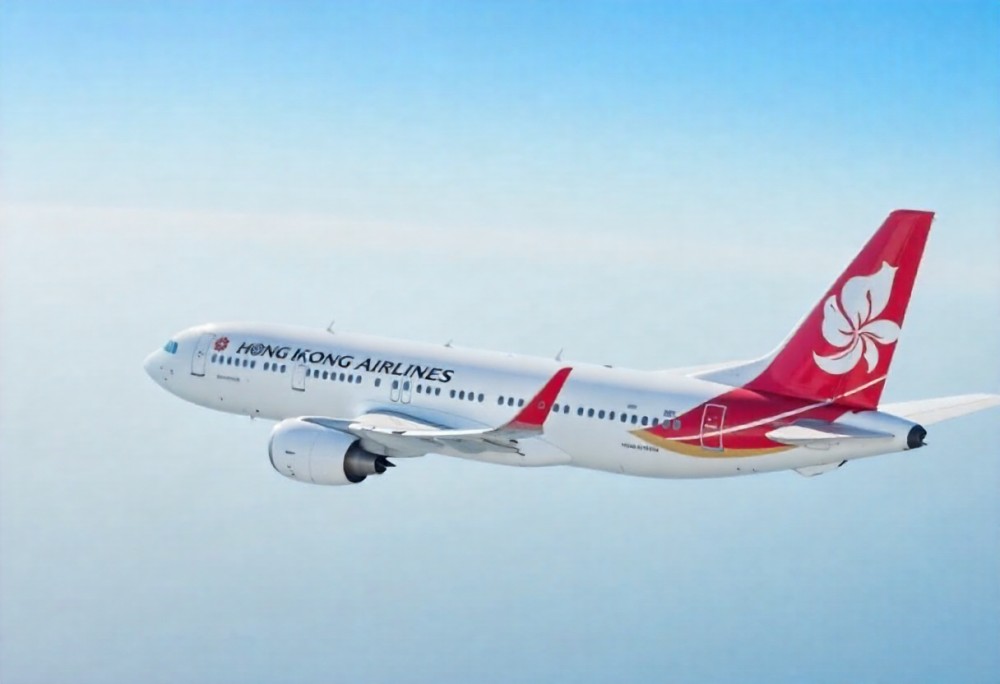
Hong Kong Airlines will reinstate its direct-flight service between Hong Kong and Hanoi, Vietnam, from December 19, 2025. This daily service will further strengthen the airline’s network across Southeast Asia, facilitating easier travel between the two major cities and boosting both tourism and economic growth in the region. The resumption of this route comes amid continuous fast growth in Vietnam’s tourism sector, with the capital, Hanoi, consolidating its position as a major cultural and business hub in Southeast Asia.
This move by Hong Kong Airlines will help meet the increasing travel demand between Vietnam and Hong Kong, driven by restored tourism, business trips, and cultural exchange after the pandemic. The route will bring greater convenience and faster connections to travelers. This also aligns with Hong Kong Airlines’ long-term strategy of expanding its network in Southeast Asia while supporting regional connectivity.
Tourism Growth and Economic Impact: Connecting Vietnam and Hong Kong
The resumed service between Hong Kong and Hanoi will directly contribute to Vietnam’s tourism recovery, with Hong Kong serving as a major gateway for tourists from China, Asia, and international markets. For Vietnamese travelers, the route will provide easy access to Hong Kong’s tourism offerings, such as shopping districts, cultural experiences, and a thriving business environment. This connection helps further position both cities as key players in tourism growth in Asia.
Moreover, the resumption of this service has significant economic implications, with tourism playing a pivotal role in both Hong Kong and Vietnam’s economies. By improving accessibility, Hong Kong Airlines will support tourism-driven revenue, enhance bilateral trade, and create new business opportunities. Vietnam is becoming an increasingly attractive destination for international business, and the direct flight service will facilitate trade relations between Vietnam and Hong Kong, making it easier for entrepreneurs, business professionals, and trade representatives to connect.
Strengthening Regional Connectivity: A Bridge for Trade and Business
The resumed direct flight service between Hong Kong and Hanoi is not just about tourism; it also has business and trade implications. Vietnam has become a prominent player in global supply chains, and Hanoi is emerging as a vibrant center for commerce and trade. The new flights will further strengthen economic ties between Vietnam and Hong Kong, enhancing connectivity between the two cities and facilitating cross-border business travel.
Hong Kong, as an international financial hub and a gateway to China, serves as an essential partner for Vietnam, especially as the country’s export markets continue to expand. The direct flight connection will enable quicker and more convenient business travel, improving logistics and making it easier for companies to engage in trade, investment, and partnerships in both regions. It will also support Vietnam’s growing tech sector, which has attracted foreign investment from around the world, including from Hong Kong-based businesses looking to establish partnerships in Southeast Asia.
Connecting to Global Destinations: A Gateway to International Travel
The Hong Kong-Hanoi route will also seamlessly connect with Hong Kong Airlines’ international network, offering passengers easy connections to long-haul destinations such as Vancouver, Sydney, and Melbourne. This global connectivity will enable passengers traveling to Hanoi to easily connect to a wide range of international destinations, making it a hub for connecting passengers traveling between Asia and the rest of the world.
The expanded network provides not only greater convenience for tourists but also facilitates the movement of business travelers and professionals who frequently travel across continents. The route’s integration with Hong Kong Airlines’ international network makes it a vital link for those looking to explore both Southeast Asia and global markets efficiently.
Strengthening Bilateral Relations: Promoting Cultural and Economic Exchange
The resumed flights will help foster cultural exchange between Vietnam and Hong Kong, providing more opportunities for tourists to explore the local culture and heritage of both regions. Vietnam, with its rich history and culture, attracts many international visitors, and Hanoi has become a growing destination for those seeking to experience Vietnam’s traditions and modern-day vibrancy. The Hong Kong-Hanoi flight allows visitors to explore Hong Kong’s cultural diversity, blending Chinese heritage with Western influences, and then visit Hanoi’s famous landmarks such as Hoan Kiem Lake, the Temple of Literature, and the Old Quarter.
This deeper cultural connection also promotes cross-cultural understanding, making it easier for people from both regions to engage with each other through art, cuisine, and education. Additionally, the flight will support Vietnamese efforts to expand tourism offerings and strengthen regional tourism in Southeast Asia.
The Future of Air Travel Between Hong Kong and Hanoi: Expanding Routes and Collaboration
The success of the Hong Kong-Hanoi route is expected to pave the way for further expansion of air services between Hong Kong and Vietnam. Hong Kong Airlines may explore additional routes to other cities in Vietnam, strengthening its presence in one of Asia’s most promising travel markets. Furthermore, ongoing cooperation with other airlines and tourism organizations will continue to bolster the travel sector, ensuring that Vietnam remains a top destination for international tourists.
As Vietnam’s tourism sector continues to rebound and grow, the introduction of more international routes will be crucial in connecting the country to the global tourism network, making it easier for visitors to explore Vietnam’s diverse regions and local cultures.
A Key Step for Tourism and Economic Growth
The resumption of the Hong Kong-Hanoi route will be an important development in tourism and business between Hong Kong and Vietnam. This route will strengthen ties between these two key destinations by improving regional connectivity, economic growth, and cultural exchange. Indeed, this is bound to spur future growth in both the Vietnamese tourism market and the greater region of Southeast Asia, with increased tourist arrivals, business opportunities, and global connectivity.