Hi everyone, and welcome back to SportsVerse, my twice-weekly newsletter that tells stories you can’t find anywhere else about the intersection of sports, fashion, business, and culture.
Inside today’s newsletter, you will find analysis of:
-
The Son Heuing-min effect and the sports industry’s push to translate K-culture into commercial success.
-
How teams like PSG and Tottenham and brands like Adidas are leveraging the star power of K-pop to sell merch, lifestyle collections and sneakers.
When Son Heung-min announced he was headed to Major League Soccer after a loyal decade at Tottenham, it was a big win for his new team, LAFC. Often thought of as a “retirement league” for many of the world’s once great talents, the MLS has been making greater efforts to sign players who still will have an impact on the league from a sporting perspective, even if they are slightly off the peak of their powers. Take Inter Miami’s Lionel Messi, for example — without doubt the highest profile MLS signing since David Beckham — who just had the best individual season in MLS history, scoring 29 goals in 28 games at the ripe old age of 38. All while playing at little more than walking pace.
Son is another such example of a signing past the peak of his footballing prowess in Europe, but who still has lots to offer from a footballing perspective in the MLS. But as you know, this is SportsVerse and we’re here to talk about the things that happen around the pitch, rather than on it.
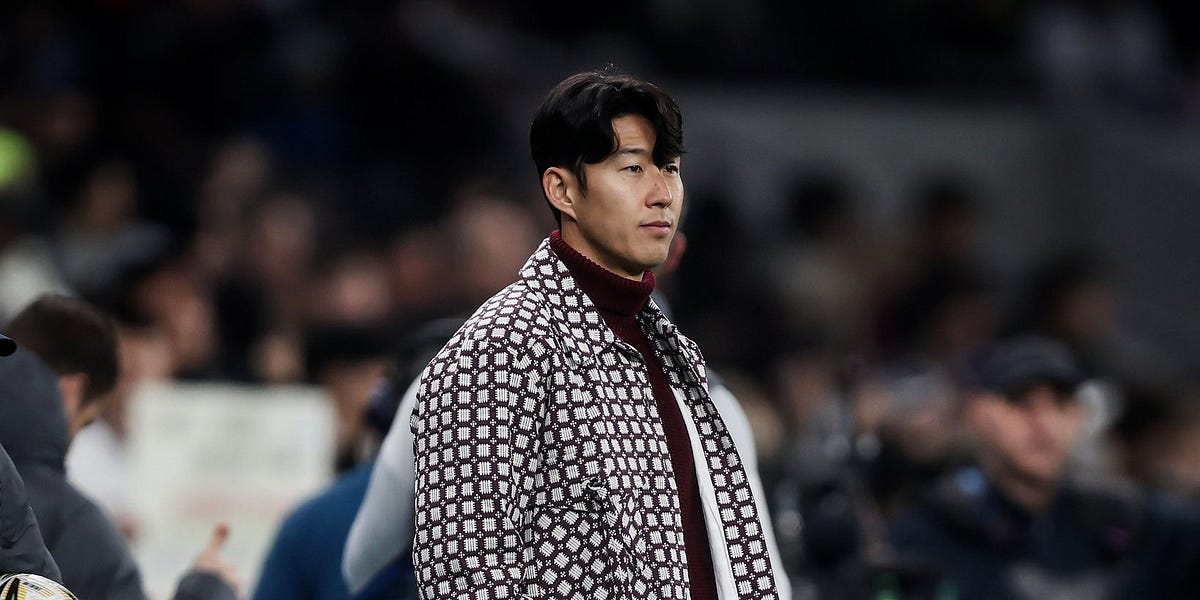
For those who don’t know, Son is perhaps one of the most universally adored athletes to ever play the beautiful game. But it’s his star power back home, in his native South Korea, which makes him one of the most commercially appealing players in the history of professional football. At Tottenham, thousands of South Korean fans would fly to London and buy tickets to all his home games.
Tottenham revamped its entire commercial strategy to capitalise on the revenue from the Son fandom — for example, three of the club’s last four pre-season tours were to South Korea. Back in August, I spoke to The Athletic about what a huge commercial loss his departure would inevitably be for the club, which was now left without a “franchise player”.
Now, Tottenham’s loss (a concept to which the club is well accustomed) is LAFC’s gain. His commercial impact was as instant as his contributions on the pitch, and comparable to the transformative effect Messi’s arrival had had on Inter Miami years earlier. His introductory media conference has 200,000+ views on YouTube, and LAFC reported 34 billion views across social media channels when Son arrived in August, which was a 594 percent increase year-over year. Korean fans instantly began flocking in their thousands to watch their star shine at his new club.
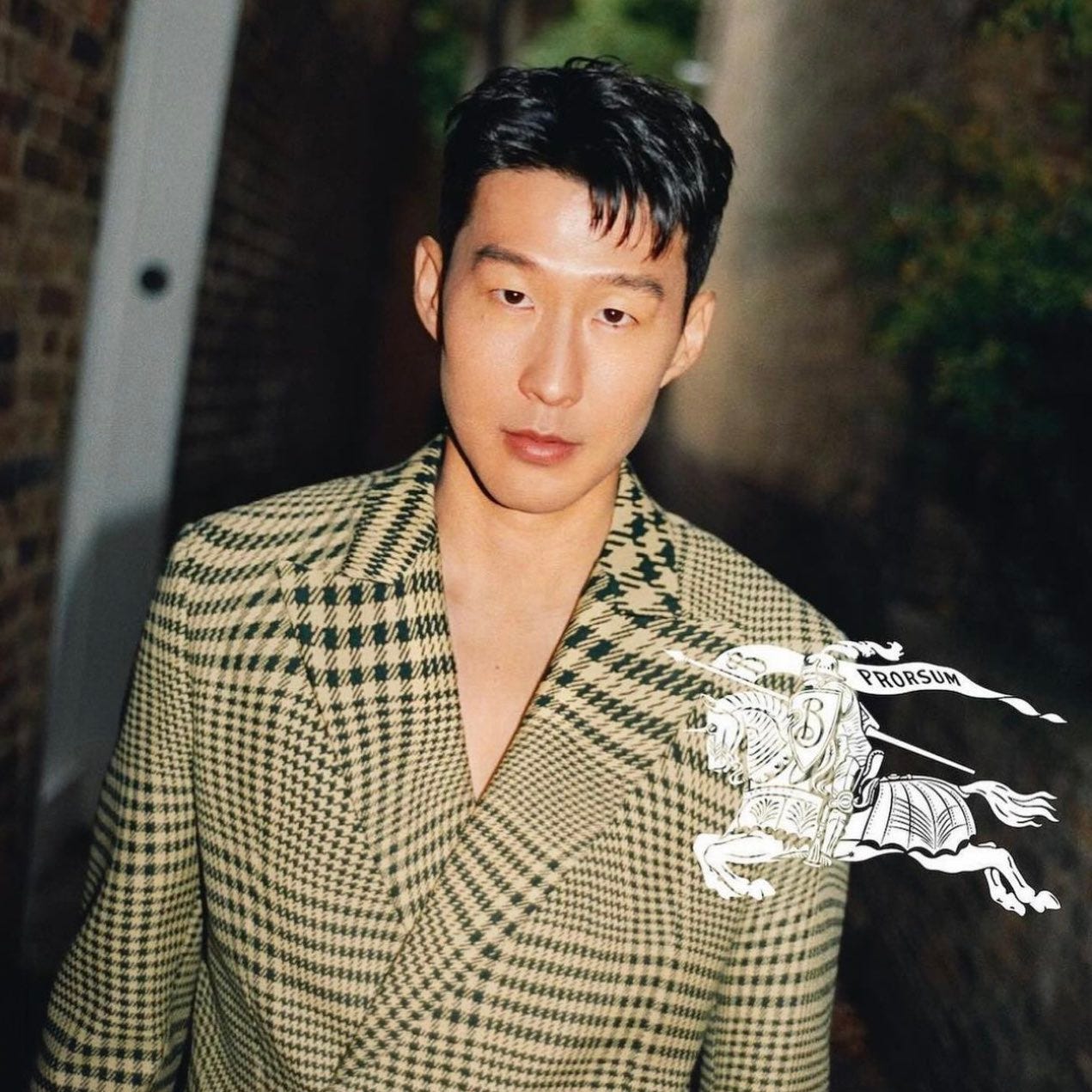
LAFC wasted no time parlaying Son’s uniquely avid and insanely loyal fandom into commercial deals intended to help the team marry his appeal with the equally globally popular K-culture movement. Whether it’s K-pop or K-beauty, Korean subcultures have dominated entire industries and social movements for several years now.
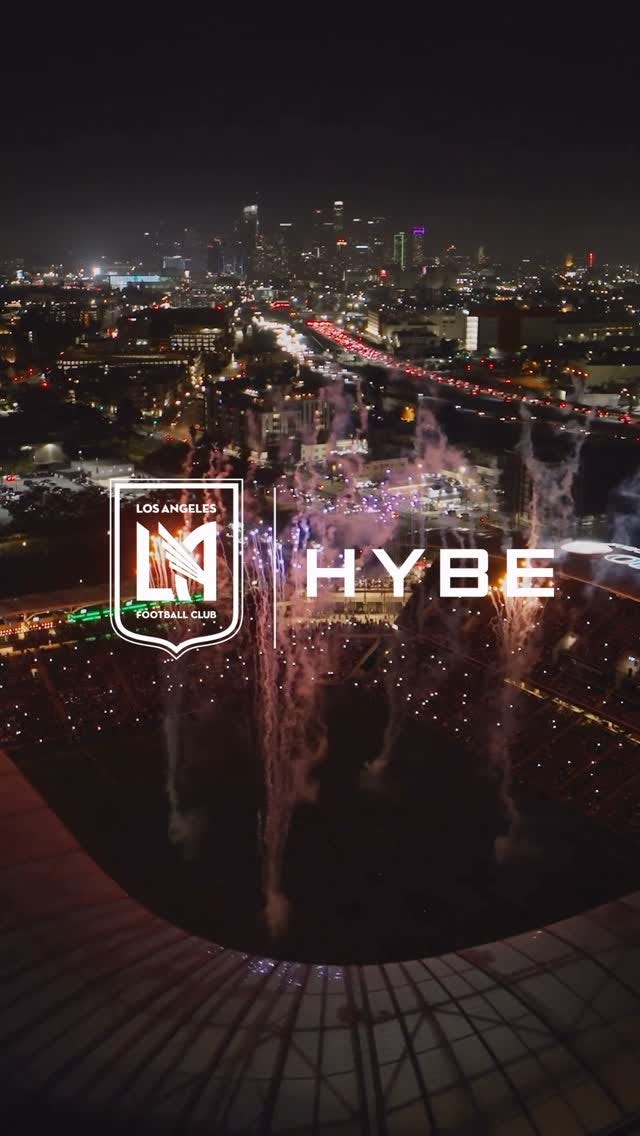
“In celebration of the strong ties between Los Angeles, South Korea, and the Korean influences that define LA’s cultural identity, global entertainment lifestyle platform company HYBE [the powerhouse behind several of the country’s K-Pop groups and stars] is teaming up with LAFC to sponsor the first Audi 2025 MLS Cup Playoff home game at BMO Stadium on October 29,” said a press release sent out by the team last week, which noted “HYBE and LAFC will host a special fan activation during the playoff match that brings the essence of K-pop to BMO Stadium.” Though Tottenham certainly made great use of Son’s popularity during his time in the Premier League, the club will no doubt be kicking itself for failing to join the dots in this way.
More broadly, the influence of K-pop on the sports-fashion intersection has been somewhat limited, which is surprising given how ubiquitous the movement has become. Yet slowly but surely, sports teams and sportswear brands have begun to seek out collaborations to tap the South Korean market and its worldwide fanbases.
In July, Tottenham released a special edition away kit with K-pop sensation Stray Kids (seemingly a black jersey with Stray Kids written on the front, which the team claimed “explored the intersection of sport, music and fashion” and “fused the raw energy of Premier League football with the electrifying global appeal of one of music’s most ambitious groups”. We’ll have to take their word for it.
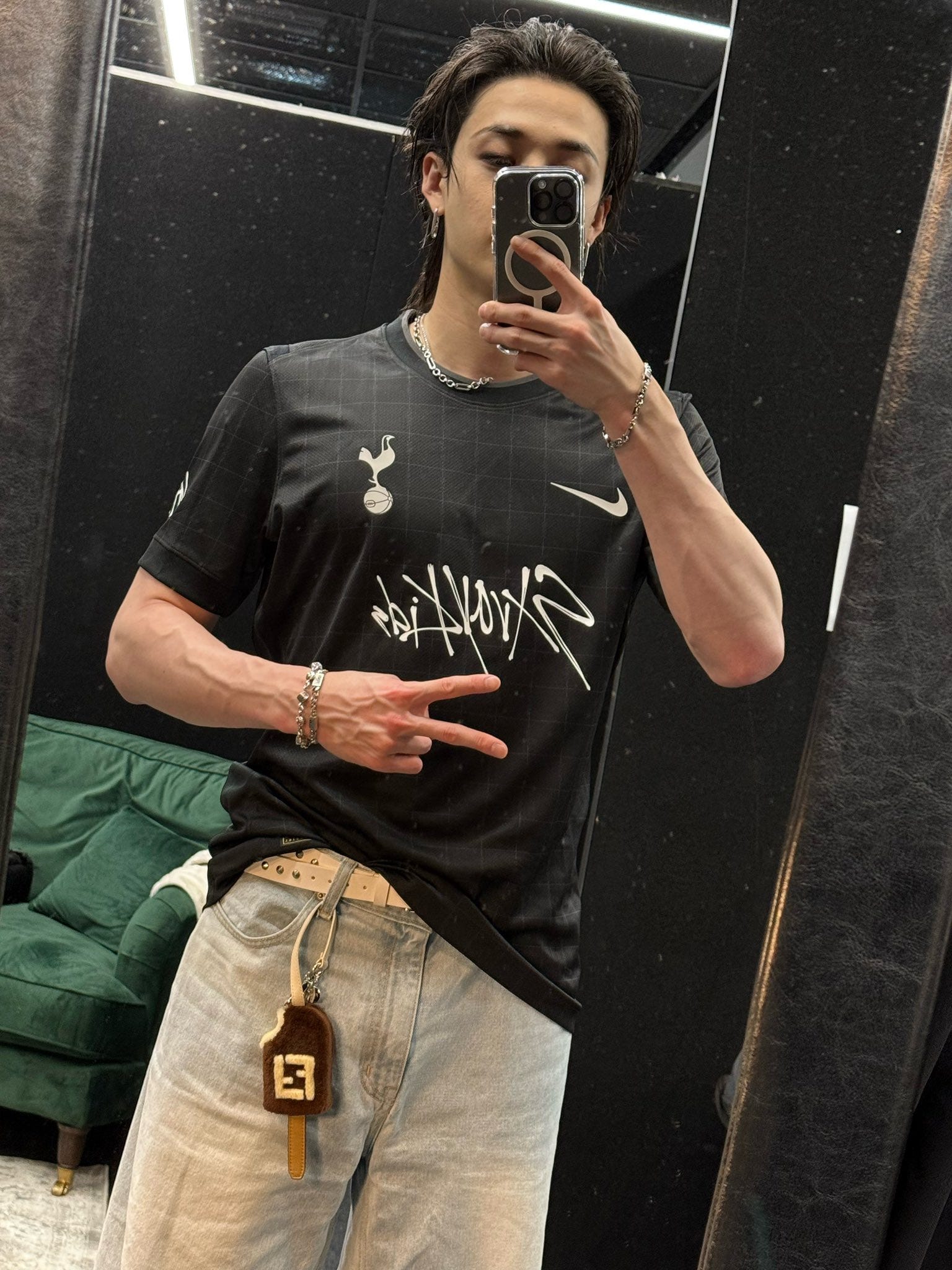
Even if the merch was nothing special, it represented the sheer value in marrying the world of sports-style with K-pop mania. The jersey was worn by Bang Chan, the boy band’s lead dancer, and the image was circulated far and wide by millions of K-pop fan accounts, leading to even further appreciation for the team among South Korean fans, many of whom would have been given their first entry point into football via their fandom of Son and, by extension, Tottenham. The move underscored the credibility and value that comes with aligning your brand as a sports team with someone like Bang Chan, who is also seen as a style icon and has been tapped by Fendi as a brand ambassador. With 11 million followers on IG alone, he almost has as large an audience as Son himself.
Though luxury fashion houses have been aware of the opportunity in the Korean market for years, 2025 really has turned out to be the year sports fashion and K-pop truly collided.
In April, Lacoste announced Yujin An, leader of K-pop group IVE, as its new brand ambassador in Korea. BLACKPINK, which counts almost 60 million followers on the group’s Instagram page, teamed up with Fanatics to release a NBA/MLB Mitchell & Ness collab, which launched in July.
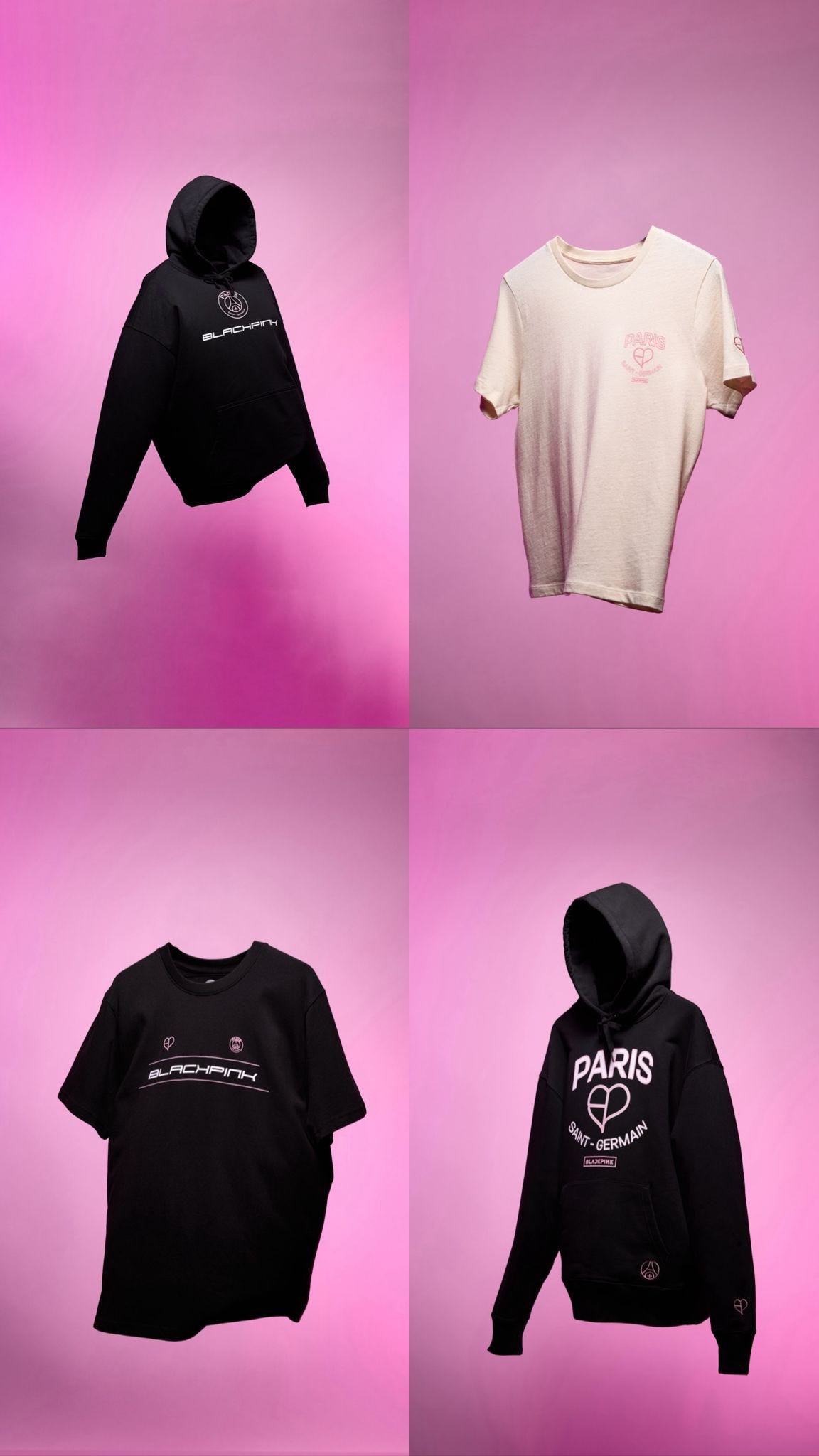
BLACKPINK also released a limited edition collection with French football (and fashion) giant Paris Saint-Germain ahead of its Paris tour dates in August — revealing that K-pop also sees sport as a savvy avenue to reach new markets, and not just the other way around. Adidas has also long leveraged the popularity of certain products, such as the Samba and Gazelle, among the K-pop crowd, and has cast talents such as Blackpink’s Jennie in several campaigns to promote the return of iconic footwear franchises like the Superstar. Meanwhile, Nike has collaborated in the past with popular groups like NewJeans.
Something tells me this is just the beginning of a full scale collision of the sports fashion intersection with K-culture and style. We’re still in the early phase where these crossovers are such a novelty that the merch is highly simplistic and its value lies in its mere presence, rather than having any deeper thinking behind it. I’m looking to see how sports teams and brands begin to take a more considered approach to K-pop merch to cut through the noise as these partnerships become more commonplace.
Stay tuned to SportsVerse for more.
That’s all for today, friends. Thanks for coming along for the ride.
See you next time,
DYM