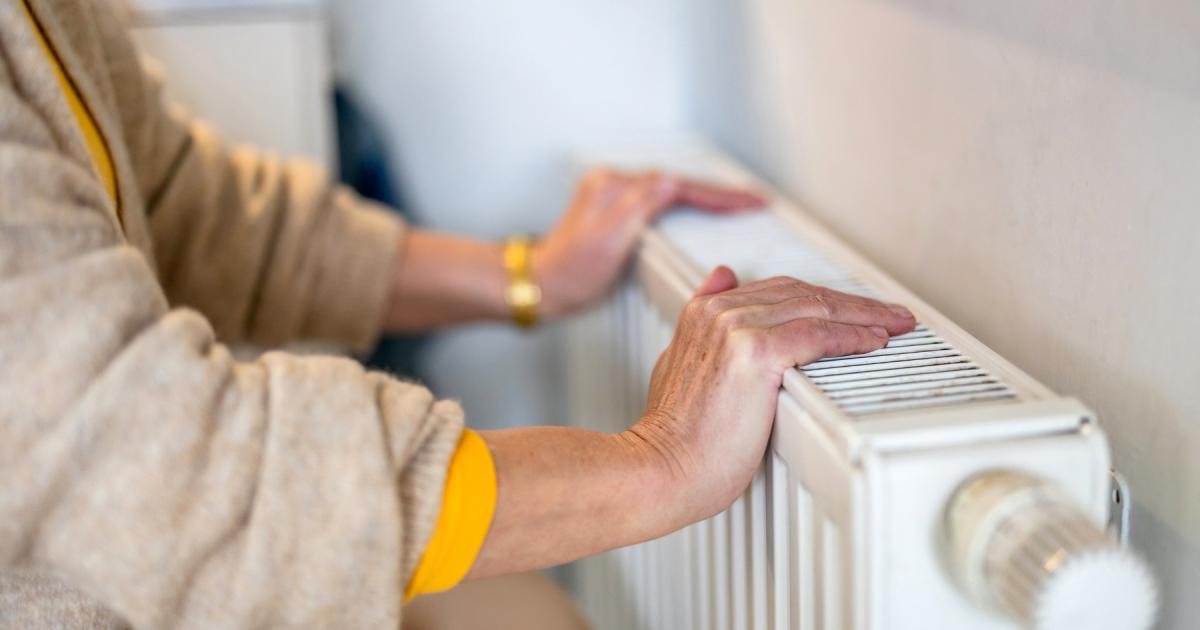
Plenty of households have invested in features such as new boilers, double-glazing and insulation to help heat up the home more efficiently.
However, there might be one small task you’re missing out on doing before switching the heating on to make sure the process is at maximum capacity.
Checkatrade Heating Expert Aaron Willcox – who runs A W Plumbing and Heating – says home owners are missing one simple trick that can increase a radiator’s effectiveness.
Radiators can emit more warmth if households do one 10-minute task
Aaron explains that cleaning the dust out from behind a radiator is an important task households can sort before switching the heating on.
Dust can gather around radiators that haven’t been used in a while, and can act as a layer of insulation that prevents heat from entering your living spaces.
Aaron adds: “The one thing most homeowners do not consider is simply dusting behind their radiators. When radiators sit unused over the warmer months, ‘dust blankets’ build up behind, underneath and between the fins.
“Just like a normal blanket, this insulates the radiator and stops heat circulating. It also interrupts the natural convection flow – how heat is emitted from the radiator into the room, which should be a gentle loop of moving air that spreads the heat around the room
“In my experience, a really dusty radiator can lose up to 10–20% of its efficiency. Similar to the improvements you might expect from double glazing, but a lot cheaper. For most people, doing this in all the radiators in your home is a 10-minute job.”
Energy efficiency expert Jamie Burns, from reliability firm Ailsa, concurs with this saying: “Most radiators have fins, which allow airflow, which is how the heat is dissipated, if there is a build-up of dust then the airflow is hindered, and the heat cannot transfer as effectively around the room.
“This influences the heating system efficiency as the radiators are having to work harder to get a room to the desired temperature, in turn energy is wasted in this process.
“Ensuring radiators are free from not only dust but other items that could hinder their performance will ensure that a heating system operates as efficiently and effectively as possible.”
How to clean a radiator of dust
Aaron recommends starting by using a vacuum cleaner with a crevice attachment (the plastic attachment you fit to the hose that looks a bit like a bread knife) or small brush attachment to reach as much of the dust as possible.

This should get the bulk of it and loosen more stubborn dust. Then use a feather duster on a stick to get to the harder-to-reach places.
You can also buy radiator cleaning brushes made for the job that cost £5-£10 online.
He recommends doing this at the start of winter and then once a month at least to stop the build-up.
Aaron adds: “So yes – that simply 10-minute dusting job really can make a meaningful difference.
Recommended reading:
“It’s one of those no-cost maintenance tips I wish more homeowners knew about before turning the heating on.
“Clean radiators, ensuring good airflow, and a properly balanced system can genuinely save energy and make a home feel warmer, faster.”
He also suggests bleeding radiators regularly, as trapped air stops hot water from reaching the full panel.