Published on
September 3, 2025
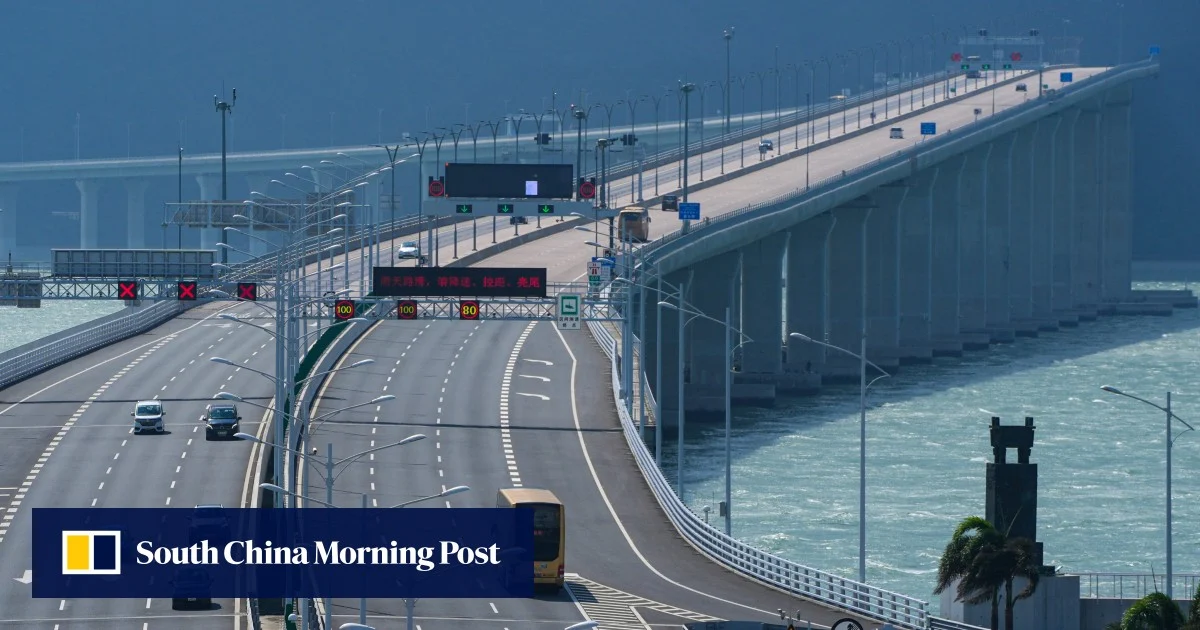
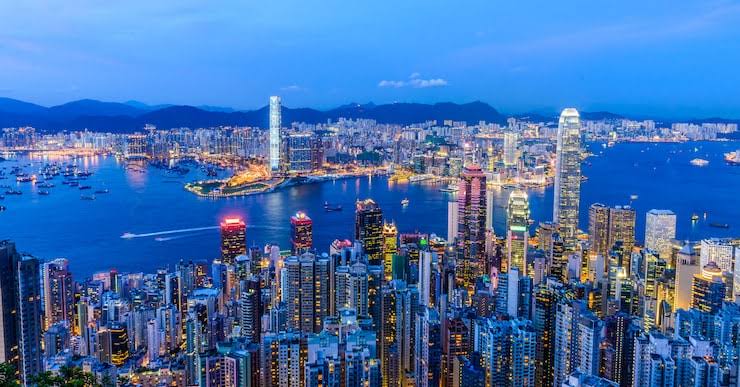
In August 2025, Hong Kong saw a notable surge in tourist arrivals, with the city welcoming 5.15 million visitors, marking a 16% increase compared to the same month last year. This growth signals a strong recovery for Hong Kong’s tourism sector, which was significantly impacted by the global pandemic and subsequent travel restrictions. With this positive momentum, the city is on track to reach its annual goal of 49 million visitors for the year.
Key Statistics and Achievements
According to Rosanna Law, Hong Kong’s Secretary for Culture, Sports, and Tourism, the first eight months of 2025have also shown encouraging results, with a total of 33 million visitors, which represents a 12% increase over the same period in 2024. These statistics, though promising, still fall short of pre-pandemic levels. In 2019, despite the political unrest, Hong Kong attracted more than 43 million tourists in the first eight months alone.
The Role of Major Events in Tourism Growth
A significant factor driving the tourism boom has been the city’s rich calendar of events that continues to draw both international and domestic visitors. Among the standout events that have contributed to this growth are the major arts and sports events. One of the primary highlights has been the concerts at Kai Tak Stadium, the centerpiece of the newly developed Kai Tak Sports Park, which opened in March 2025. These concerts alone attracted around one million fans.
Additionally, Hong Kong hosted high-profile football matches in July featuring teams such as Liverpool, Arsenal, Tottenham Hotspur, and AC Milan. These matches drew around 100,000 football fans, including at least 30,000 tourists from various parts of the world.
Hong Kong’s Tourism Strategy
Hong Kong’s tourism strategy has been evolving over the past few years, particularly since the pandemic. The Hong Kong Tourism Board has focused on revitalizing the industry with a combination of global events and strategic investment. In early 2025, the Financial Secretary Paul Chan allocated over HK$1.23 billion to the Tourism Board, emphasizing the city’s focus on attracting more high-end visitors, particularly from regions like the Middle East and Southeast Asia.
The government has also aimed to encourage more spending by tourists, introducing initiatives such as the Hong Kong Summer Viva campaign. This campaign offered a range of discounts from transport providers, retailers, and theme parks to incentivize spending and further boost the economy.
Hong Kong’s Efforts to Attract High-End Tourists
In addition to attracting mass tourism, the government has placed a particular emphasis on attracting high-end visitors. The goal is to create a tourism experience that appeals to those seeking luxury, exclusivity, and unique cultural experiences. The Middle Eastern market has been identified as a prime target, with efforts made to tailor experiences that will appeal to affluent travellers from that region.
Nature-Based and Countryside Tourism
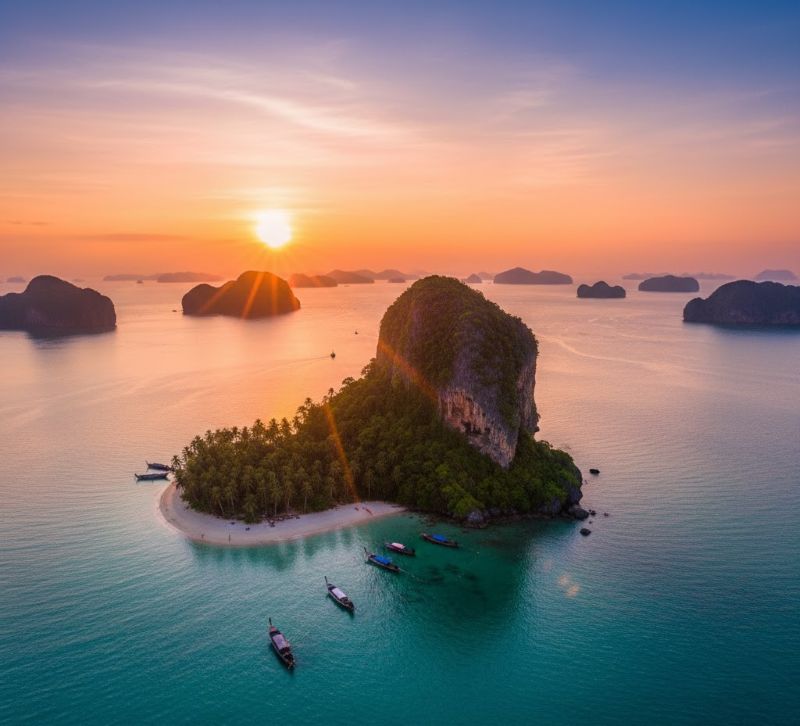
Alongside its urban attractions, Hong Kong has increasingly promoted its nature-based tourism offerings. With the launch of various campaigns, including initiatives that highlight the city’s marine parks and hiking trails, tourists are being encouraged to explore Hong Kong’s countryside. These attractions, which are in stark contrast to the bustling city life, offer a different, more serene side to the destination that has proven to be appealing to nature lovers and those looking for a quieter experience away from the urban hustle.
In the coming years, Hong Kong aims to build on these efforts by further promoting its green tourism products. This aligns with the growing global demand for eco-tourism, where travellers seek destinations that allow them to experience nature responsibly and sustainably.
Looking Ahead: Hong Kong’s Tourism Ambitions for 2025
The Hong Kong government remains optimistic about the continued growth of the tourism industry. The 49 million visitors target for 2025 is not just an ambitious figure but also a reflection of Hong Kong’s commitment to reviving its tourism sector post-pandemic. The city is actively looking to maintain a balance between attracting large crowds for major events while also promoting smaller, niche segments like eco-tourism and high-end leisure experiences.
Events such as the Hong Kong Tennis Open and Clockenflap, a popular music festival, will continue to play a crucial role in bringing tourists to the city. These events, along with ongoing efforts to improve accessibility, infrastructure, and the overall visitor experience, are expected to drive further growth in the tourism sector.
Hong Kong’s tourism industry is steadily rebounding, thanks to a combination of strategic events, increased government support, and targeted campaigns aimed at attracting a diverse range of tourists. The city’s ability to offer both modern attractions and natural beauty has put it in a strong position to achieve its tourism goals. As Hong Kong works toward its ambitious target of 49 million visitors in 2025, the city’s tourism sector is poised to continue its positive trajectory, drawing visitors from around the globe with its unique blend of culture, sports, nature, and luxury experiences.