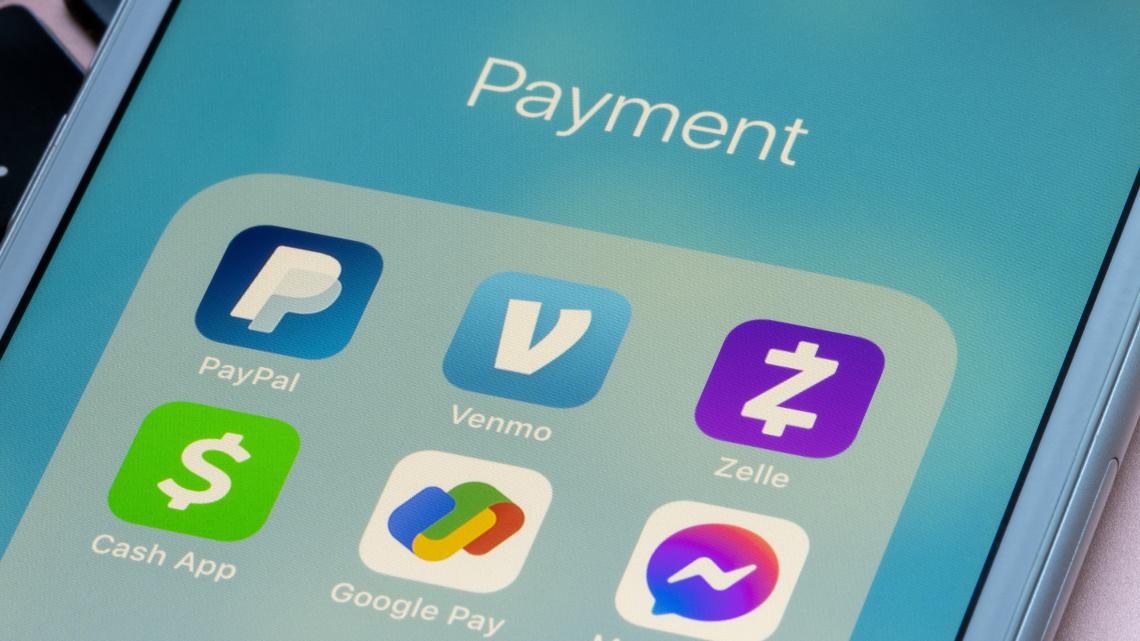
If you send money to a scammer, there’s no way to stop payment or get it back.
GREENSBORO, N.C. — Technology has made it so easy to pay a friend or family member, no cash needed, just use an app to send money. The problem comes when you send money to someone you think you know, but you don’t know them.
“Then I got hung up on and my $3,400 was gone,” said Mark Fisher. That money was gone. Never to be seen by Mark Fisher again. A scammer got it.
“Two taps and someone’s life savings are gone,” said Manhattan’s District Attorney. He is on board with the New York Attorney General, who just recently filed suit against Zelle, claiming users have lost more than a billion dollars to scammers on the payment app.
The suit claims apps like Zelle, Cash App, and Venmo do not have protections like credit cards, where you can often get your money back in the event of fraud.
Fraud task force officers in North Carolina hear the scam stories often.
“If you had a hand in taking the cash out or using Zelle or Venmo, they may not reimburse, and that’s the really hard part of my job, up front I have to tell you– you may never see this money again,” said Mark Barker, Winston-Salem Police Department.
You may think you’re talking to the bank, your credit card, or a company you do business with, but really, it’s a scammer.
If they convince you to withdraw money from your bank account, send money using a payment app or you give them an authentication code— you’ve authorized the transaction–and the bank doesn’t see it as fraud.