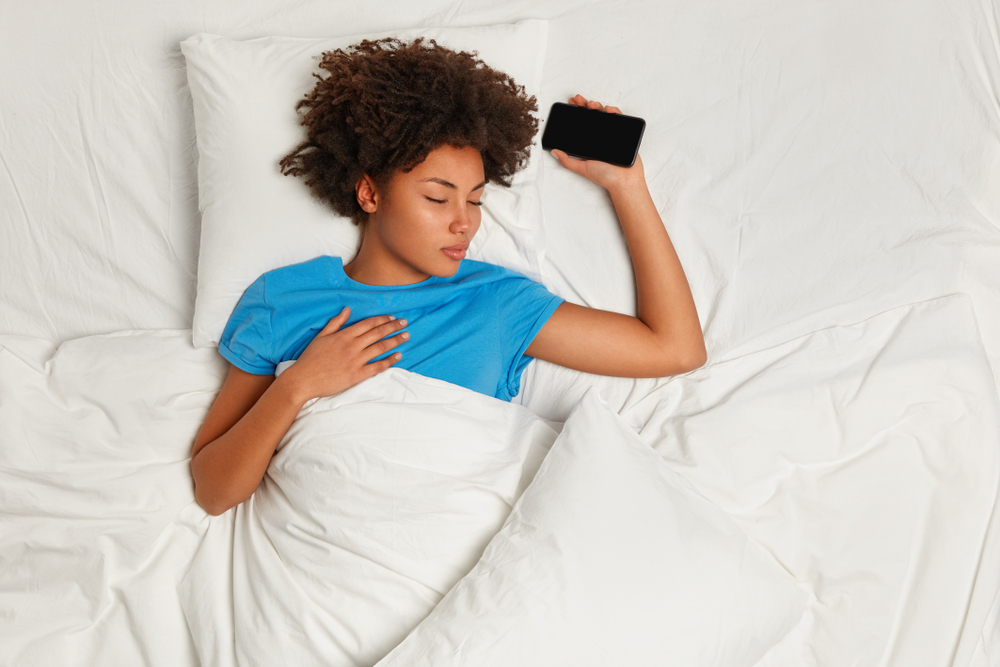
The question of whether keeping your phone next to you while sleeping causes cancer has been keeping people awake at night — literally. With millions of us charging our phones on nightstands or even under pillows, it’s time to separate the science from the scary headlines.
Here’s what researchers actually know about phone radiation and your health.
What kind of radiation are we talking about
Your phone does emit radiation, but before you panic, let’s clarify what that means. Mobile phones give off radiofrequency radiation, which falls into the non-ionizing category. This is the same type of energy that powers your Wi-Fi, Bluetooth devices, and FM radio.
Non-ionizing radiation doesn’t have enough energy to directly damage your DNA the way ionizing radiation does. Think X-rays or gamma rays — those pack enough punch to break molecular bonds. Your phone’s radiation? Not so much.
How phone radiation actually works
Every time you make a call, send a text, or scroll through social media, your phone communicates with nearby cell towers using RF signals. Your body absorbs tiny amounts of this energy, especially near your head when you’re holding the phone to your ear.
The amount of radiation your phone emits is measured using something called Specific Absorption Rate, or SAR. This number is strictly regulated by agencies like the FCC and WHO, ensuring phones stay within safety limits before they hit the market.
The science on cancer risk
Here’s where things get interesting — and reassuring. Most large-scale studies show no conclusive evidence that phone radiation causes cancer or major health problems. We’re talking about research involving thousands of people followed for years.
However, some studies suggest that extremely heavy use — like hours of daily calls over decades — might have subtle effects. That’s why scientists continue studying this topic, but the current evidence leans heavily toward “your phone isn’t giving you cancer.”
What happens when you sleep with your phone
When your phone sits on your nightstand or tucked under your pillow, it’s still communicating with cell towers periodically. It’s checking for messages, syncing data, and maintaining network connections. This means low-level radiation exposure continues throughout the night.
But here’s the thing — the radiation levels during these passive activities are much lower than when you’re actively using your phone for calls or data-heavy tasks.
Distance matters more than you think
The good news about radiation exposure is that it decreases dramatically with distance. Even moving your phone just a few feet away from your head while sleeping significantly reduces any potential exposure.
That nightstand phone that’s arm’s length away? It’s exposing you to far less radiation than the phone pressed against your ear during a 20-minute conversation.
Simple precautions that actually work
If you want to minimize exposure without completely changing your routine, small adjustments make a big difference. Put your phone in airplane mode while sleeping, or better yet, charge it across the room instead of on your nightstand.
Using speaker mode, headphones, or texting instead of making long calls reduces exposure more than any bedtime habit changes. The highest radiation exposure happens during active calls, not passive nighttime charging.
Why people worry about phone radiation
The fear isn’t completely unfounded — we’re surrounded by more electromagnetic fields than ever before. Between phones, Wi-Fi routers, smart home devices, and cell towers, our exposure to radiofrequency energy has definitely increased over the past few decades.
But increased exposure doesn’t automatically equal increased risk, especially when we’re talking about non-ionizing radiation that can’t directly damage DNA.
What health experts actually recommend
Most health organizations, including the World Health Organization and American Cancer Society, maintain that current evidence doesn’t support a cancer link with normal phone use. They do recommend some basic precautions for people who want to be extra careful.
These include using hands-free options when possible, limiting call duration, and yes, keeping phones away from your body during sleep — but more for general electromagnetic hygiene than specific cancer fears.
The bigger sleep concerns
Honestly, the blue light from your phone screen and the mental stimulation from late-night scrolling probably pose bigger threats to your health than radiation exposure. Poor sleep quality has clear connections to numerous health problems, from weakened immunity to increased cancer risk.
Current scientific evidence doesn’t support the idea that sleeping with your phone nearby causes cancer. The non-ionizing radiation it emits simply doesn’t have enough energy to directly damage DNA. If you’re concerned, simple changes like charging your phone across the room or using airplane mode can reduce exposure to nearly zero. But the real health win might be better sleep quality from reduced screen time before bed — and that’s a benefit everyone can get behind.