Welcome back to SportsVerse, my twice-weekly newsletter that tells stories you can’t find anywhere else about the intersection of sports, fashion, business, and culture. Powered by OffBall.
This week, a post from the Zara Man Instagram account sparked a heated debate in the sportswear and running communities.
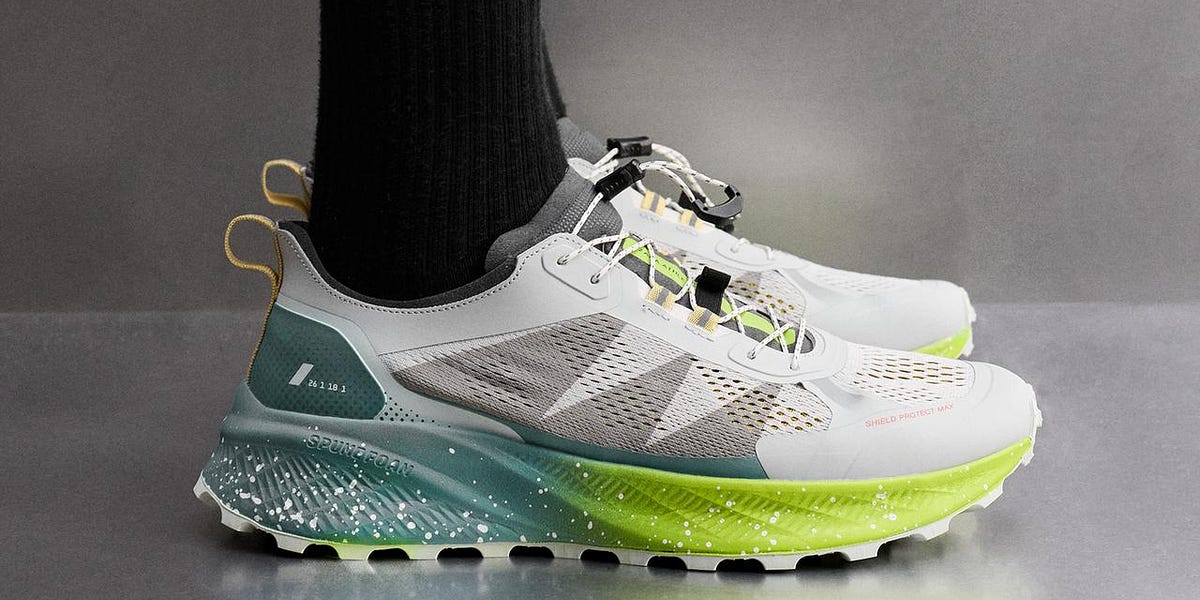
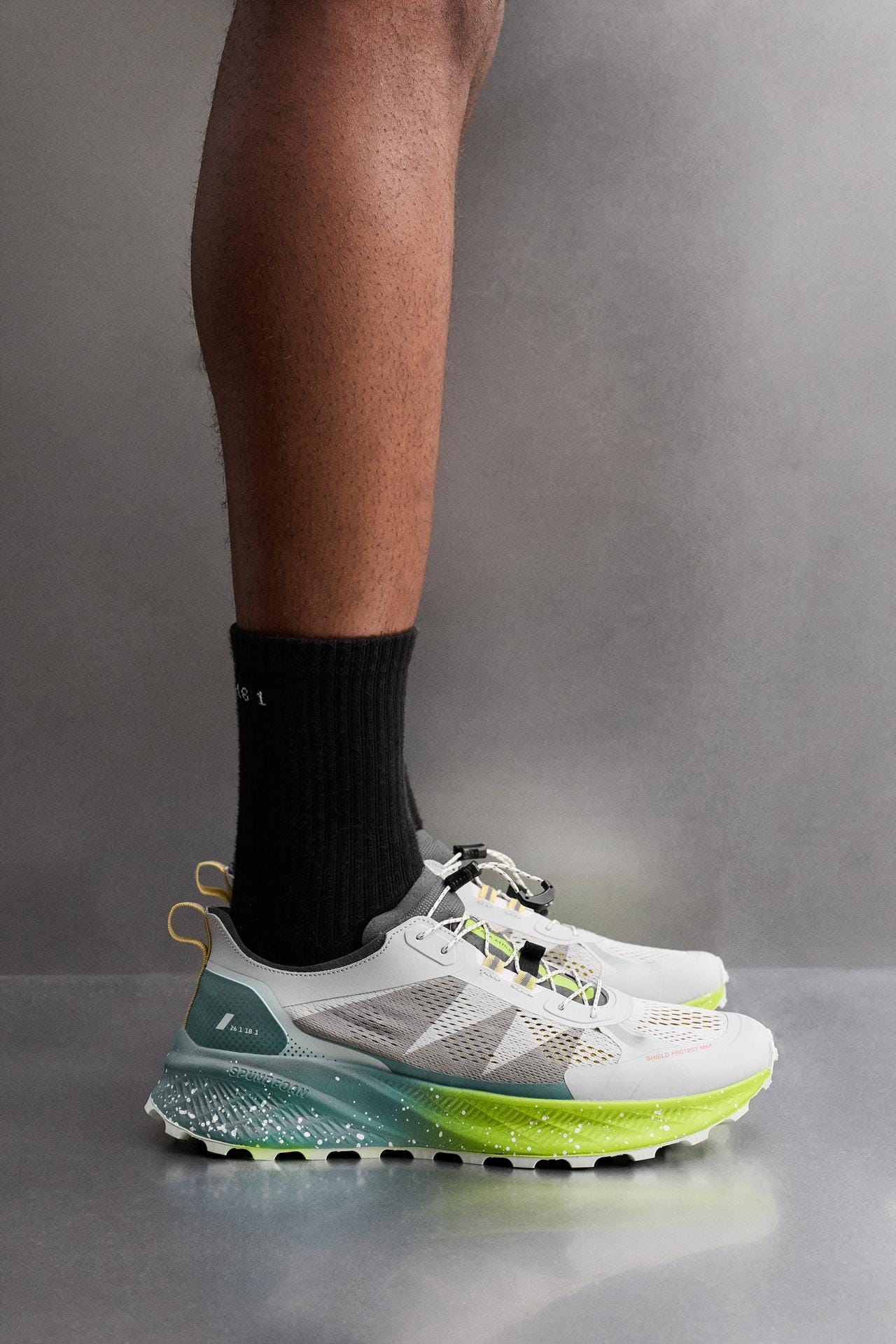
It announced that Patrick Stangbye, a Norwegian ultramarathon runner and highly respected creative director who embodied the convergence of fashion, running, and outdoor apparel and footwear, was the new “curator” of Zara Athleticz, the sportswear line launched by the Spanish fast-fashion giant in 2020 to offer a cheaper alternative to the likes of Nike, Adidas and other sportswear players old and new.
While there were the usual fire emojis and congratulatory and supportive responses you would come to expect under this kind of new job announcement on Instagram (the new LinkedIn), there were several people who took to the comments to express their dismay at Stangbye accepting the role, given Zara’s chequered environmental track record.
Context:
-
Patrick Stangbye, up until earlier this year, was the creative director of ROA Hiking, a beloved outdoors apparel and footwear label known for its fashion-forward gear, which looked just at home in the rugged terrain of the Alps or on the streets of Paris during fashion week.
-
Backed by Slam Jam, ROA was one of the smaller outdoors and running-adjacent labels which had generated a groundswell of support from the community of consumers, retailers and media who sat in the middle of the Venn diagram between the fashion crowd and the outdoor sports crowd, which had gone from strength to strength since the pandemic-induced “gorpcore” boom.
-
It was the antithesis of the loud marketing, high-volume production approach of large-scale players in this space.
Now, back to the Instagram post announcing his involvement with Zara:

Jordan Bunker, a photographer whose bio says his interests include “sustainability and slow fashion”, led the charge:
“Zara proving once again that money talks. I’m losing count of the amount of people I once held in high regard then go and partner with Zara. While I don’t speak for them or ‘the industry’, I’m sure there’s people in the [indy running label] Soar offices and many other smaller brands trying to create something the right way that will be so disappointed in this. If the justification is to progress Portal [Stangbye’s brand] further, I’m sorry but this isn’t the way forward, it’s a shortcut.”
While several other people piled on to express similar concerns, Stangbye took the time to respond to Bunker’s comment, saying, “If you want to see change, you sometimes need to participate.”

Without glossing over the fact that the “making change from the inside” approach is often what people say they’ve been convinced to join the bad guys, I’m not here to opine on why Stangbye took the role. There could be myriad professional and personal factors behind that decision, which none of us are or ever will be privy to, and rightfully so.
What is striking to me, however, is how cynically strategic Zara’s approach to elevating its brand image is. It’s not just in sportswear that they are taking this stance. The Spanish fast-fashion behemoth has increasingly tried to benefit from associations with respected names across the fashion industry via shiny collaborations or long-term partnerships to justify higher price points that its high street rivals and generate a veneer of luxury.
Last year, for example, Zara announced a new joint venture with esteemed London-based menswear designer Samuel Ross, which will allow it to offer what it markets as high-end fashion to regular consumers. It’s a similar strategy that has seen the company collaborate with the likes of Stefano Pilati and Kate Moss.
Simply put, Zara is a beast. And in the cash-strapped fashion industry, money talks. It’s no wonder the company can convince people to consider partnering with them despite the risk of a reputational hit. Revenues just for this year’s first quarter ending April 30 were €8.27 billion ($9.44 billion).
And now, with Stanbye’s appointment, Zara appears to have its sights set on sportswear as the next category it seeks to elevate its image in.
The announcement of Stangbye’s appointment seemed jarring to people because of the manner in which it was presented, through a carousel of images showing him trail running in open nature wearing Zara Athleticz gear.
There’s no getting around the fact that Inditex, Zara’s parent company, has been dogged with accusations of environmental malpractice and turning a blind eye to sweatshop conditions in its supply chain.
“The great outdoors brought to you by the petrochemicals industry,” someone quipped in the comments.
And this wasn’t even the first time this year that Zara Athleticz had rubbed people up the wrong way in the running and sportswear community:
In February, the sub-brand released its first carbon-plated running shoe, designed to compete with the high-end, long-distance models offered by sportswear incumbents like Nike’s Alphafly or any of the equivalents on offer at Adidas, Hoka, Brooks, Asics, Saucony and the plethora of other names in the hyper-competitive running market.
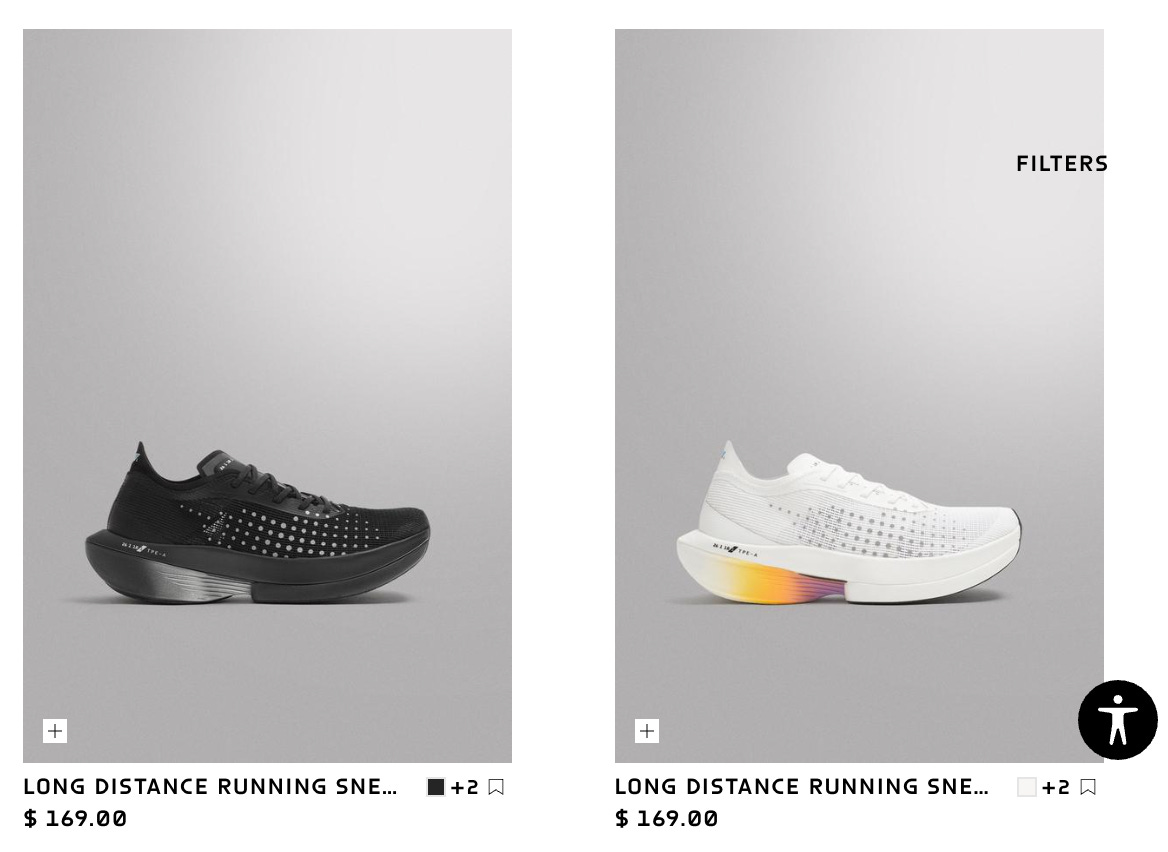
But while Nike’s Alphafly will set you back $300, and a similar model at Asics costs $270, Zara’s “Long Distance Running Sneakers” are a light $169.
Zara’s attempt to undercut the “supershoe” market did not go down well. Runners expressed their concern that the brand known for its uncomfortable and poorly made casual shoes would have the audacity to attempt to create and sell some of the most technically advanced sports footwear to hard-working consumers. Others joked that the shoes may carry in build speakers that with each step, blast out the Ibiza house music that is blaring in each and every Zara store day in, day out. Some running experts made reviews trashing the quality of the shoes.
Other people reacted positively, however, suggesting that Zara Athleticz shoes were the only affordable carbon-plated footwear on the market.
Fast fashion giants dipping their toes in the sportswear market is a risky business. On the one hand, there is no getting around the fact that products made by incumbents like Nike and Adidas or fast-growing challengers from On to Vuori to Alo are incredibly expensive, and some of these brands themselves have had their own issues when it comes to environmental responsibility.
But the response to Zara’s recent Instagram post and the announcement of Stangbye’s role strikes at the crux of the issue: if fast-fashion mega companies are allowed to muscle their way into the industry, what hope is there for small upstart companies like ROA, Soar Running, Bandit or any others to break through? Would On or Hoka have been able to experience the growth they did if 10 years ago they entered a market where Zara or H&M were churning out trail running shoes at a fraction of the price that they proposed to sell theirs for?
The hope is that quality will always prevail over quantity, but in a world where consumers’ pockets are squeezed increasingly tighter, nothing is guaranteed.
That’s all for today, friends. Thanks for being here.
See you next time,
DYM