The 1970s weren’t kind to performance cars. Between stricter emissions regulations, the oil crisis, and insurance companies declaring war on horsepower, the decade seemed intent on killing off the muscle car era entirely. But while enthusiasts mourned the loss of their big-block monsters, they missed something important: several manufacturers were quietly figuring out how to make fast cars work in this new reality.
These 11 performance machines were dismissed, ridiculed, or simply ignored when they were new, but history has been far more generous in its assessment.
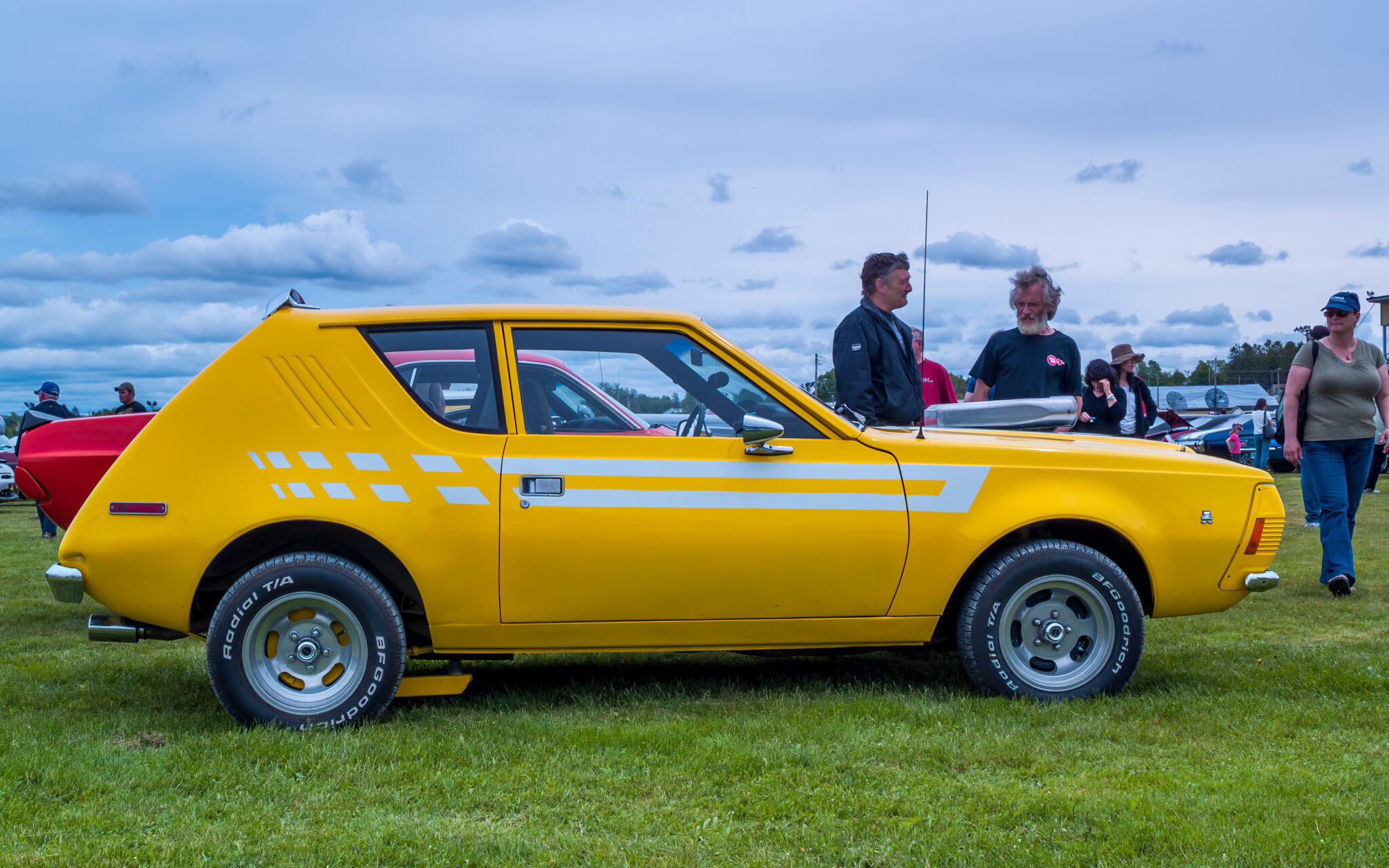
AMC Gremlin X with 304 V8

AMC’s oddball compact looked like it was designed by someone who gave up halfway through, but a Gremlin ordered with the available 304 cubic inch V8 was genuinely punchy for the era. The 304 was rated around 150 horsepower (SAE net) when it arrived for 1972. In a small car, performance could be lively, but published 0 to 60 times varied by test and spec.
People laughed at the styling, but AMC understood that lighter cars with smaller V8s were the future of affordable performance.
Porsche 914

Enthusiasts accused the 914 of not being a “real Porsche” because it had a Volkswagen engine and a reasonable price tag. Its unique looks stand out from Porsche’s familiar shape, and the mid-engine layout gave it handling that embarrassed more expensive sports cars, and the 914/6 version with the Porsche flat-six was legitimately fast.
Today, clean examples sell for serious money as collectors finally appreciate what they dismissed as a parts-bin special.
Datsun 240Z (1970-1973)

American car magazines initially treated Nissan’s sports car like a curiosity rather than a legitimate performance machine. The 240Z delivered 150 horsepower, a 125 mph top speed, and handling that could run with Porsches for about half the price.
It took a few years for people to realize that Datsun had essentially built a better E-Type Jaguar without the electrical gremlins.
Chevrolet Vega GT

Yes, the Vega had exaggerated reliability issues that would make a British Leyland engineer blush, but the GT version with the optional handling package was surprisingly fun to drive. The aluminum four-cylinder’s output depended heavily on year and rating method. Early gross ratings could be quoted as high as 110 hp for certain versions, but early 1970s net ratings were typically lower. The suspension tuning could still be genuinely competent, even if the power numbers were not always as impressive as the brochure era suggests.
If GM had solved the Vega’s early durability issues, the Vega GT might be remembered as an American sporty coupe instead of a punchline.
Ford Mustang II King Cobra

It made 139 horsepower, which sounds pathetic until you remember that a 1980 Corvette’s base engine was rated at 190 horsepower, while the optional higher-output version was rated higher depending on specification.
The handling was surprisingly good thanks to the compact dimensions, and today’s collectors are starting to appreciate these as the last affordable classic Mustangs.
Pontiac Firebird Formula 400 (1970-1974)

Everyone remembers the Trans Am, but the Formula could be a close cousin depending on the year and options. Both shared the same basic platform, and many performance parts were available across the range, but engines and suspension packages varied by model year and configuration, and some high-performance pieces were not universal.
Pontiac sold and produced far fewer Formulas because people wanted the Trans Am’s image, but smart buyers got the same experience without paying for the billboard.
BMW 2002 Turbo
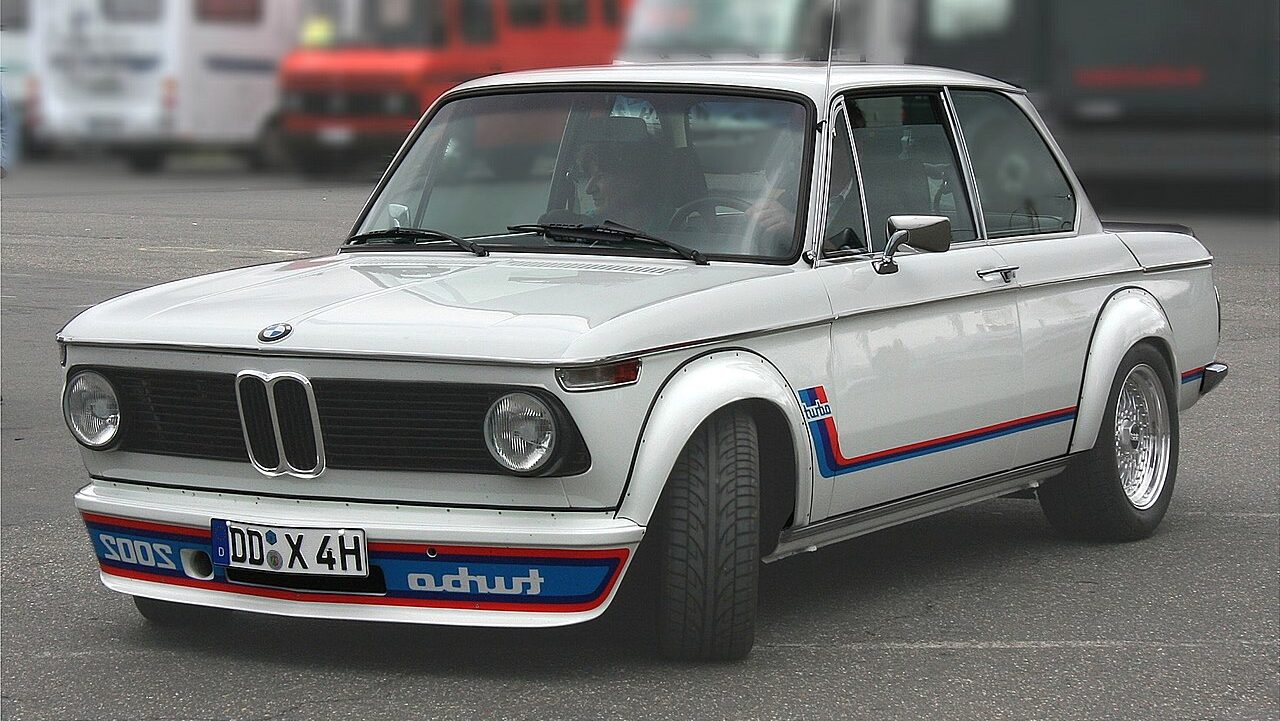
BMW built Europe’s first turbocharged production car in 1973, and the automotive press responded with confusion and concern about turbo lag. The 2002 Turbo made 170 horsepower and could hit 130 mph, making it one of the fastest sedans available.
Only 1,672 were built before the oil crisis killed it, and those that survive are worth a small fortune today.
Lancia Stratos

The Stratos was too weird, too impractical, and too purpose-built for rallying to make sense as a road car. With a Ferrari Dino V6 mounted behind the seats and a wheelbase shorter than a modern Mini Cooper, it drove like a go-kart designed by someone on espresso.
Lancia built about 492 Stratos road cars for homologation purposes, and now they’re six-figure collectibles that dominated top-level rally results in the mid-1970s.
Plymouth Duster 340 (1970-1973)

Mopar fans obsessed over Cudas and Challengers while the humble Duster delivered similar performance for thousands less. The 340 cubic inch V8 made 275 horsepower in 1970 and could run mid-14-second quarter miles right off the showroom floor. It was essentially a cheap body on Plymouth’s excellent
An A-body platform, but people dismissed it as a secretary’s car with a bigger engine.
Mazda RX-3

Rotary engines seemed like a gimmick to most Americans, and the RX-3’s tinny build quality didn’t help its case. Mazda RX-3 power and engine details varied by market and year. Some early RX-3 road tests cite about 110 bhp from the smaller 10A rotary, while later versions used larger rotary engines, and US emissions-era net ratings could be lower. Weight also varied by body style and equipment, but the car was generally light for its class.
The RX-3 was very successful in SCCA competition in the mid-1970s, even while some buyers and readers remained skeptical of rotary engines and fuel economy.
Lotus Esprit S1

When the Esprit debuted in late 1975 and entered production in 1976, critics complained it was underpowered with about 160 horsepower in European trim from its 2.0-liter four-cylinder, with lower ratings in some US versions. What they missed was that Lotus had built a mid-engine exotic that weighed about 2,116 pounds and handled like it was on rails.
The wedge styling looked like it came from a science fiction movie, and while early cars had quality issues, the Esprit established Lotus as a legitimate supercar manufacturer for the next three decades.
Conclusion

The 1970s forced the automotive industry to rethink everything it knew about performance, and these twelve cars represent different approaches to the same problem. Some went lighter, some went turbo, and some just ignored convention entirely. What they share is that contemporary audiences didn’t quite know what to make of them, whether due to unfamiliar technology, unconventional packaging, or simply showing up at the wrong moment in history.
Today, these misunderstood machines are finally getting the recognition they deserved all along, proving that sometimes the automotive press and buying public need a few decades of perspective to separate the genuinely interesting cars from the merely loud ones.