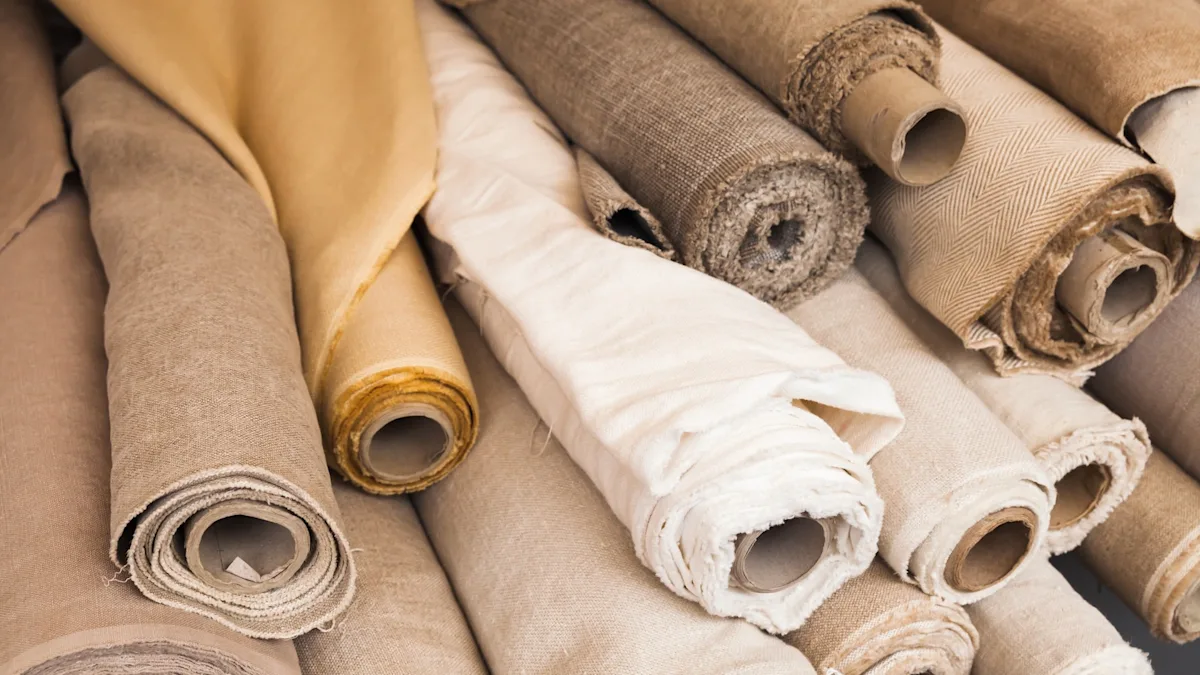
A team of researchers may have found a groundbreaking solution to one of fashion’s biggest sustainability problems. By turning farm waste into sustainable fabric, it’s solving multiple problems with one solution.
Scientists from the University of Copenhagen and the Technical University of Denmark have developed a new method to make textiles from leftover crop materials. Their innovation, described in the Royal Society of Chemistry Sustainability journal, could reshape how our global fashion industry sources materials.
As Happy Eco News reported, traditional fabrics rely on water-hungry cotton or synthetic fibers made from fossil fuels. Both manufacturing processes are harmful to communities and the planet, contributing to toxic air pollution, devouring already scarce resources, and serving as a catalyst for rising global temperatures. Cotton farming also often uses toxic pesticides, while synthetics add massive amounts of microplastics to our oceans and soil.
However, this new “crop waste fabric” uses what’s already available: agricultural residue that would otherwise go to waste (or be burned, creating more air pollution). By converting straw into cellulose, the key element for viscose, the team has found a way to create durable fibers without growing new crops. It does this by applying a chemical-free treatment and nontoxic, organic acid to the residue. The process is safer and uses fewer resources, such as water and energy.
This innovation also gives hope to consumers who want to support eco-friendly clothing brands. Plus, this breakthrough can create new streams of revenue for farmers. We’ve seen similar tech advances — from textiles made with onion skins to innovative textile recycling — all of which show how human ingenuity can support both environmental and economic goals.
The researchers estimate that crop waste fabric could help offset some of the pollution generated by the fashion industry, which accounts for about 10% of the polluting gases heating up our planet.
The fashion industry is under pressure to clean up its act. Each year, it generates 1.2 billion tons of carbon pollution and 92 million tons of textile waste, making it one of the world’s most polluting sectors. But circular materials like crop waste fabric could help reverse that trend, creating clothes that are renewable, low-impact, and aligned with the U.N.’s Sustainable Development Goals. If scaled successfully, the technology could reach the market in the near future.
Join our free newsletter for weekly updates on the latest innovations improving our lives and shaping our future, and don’t miss this cool list of easy ways to help yourself while helping the planet.