Published on
December 25, 2025
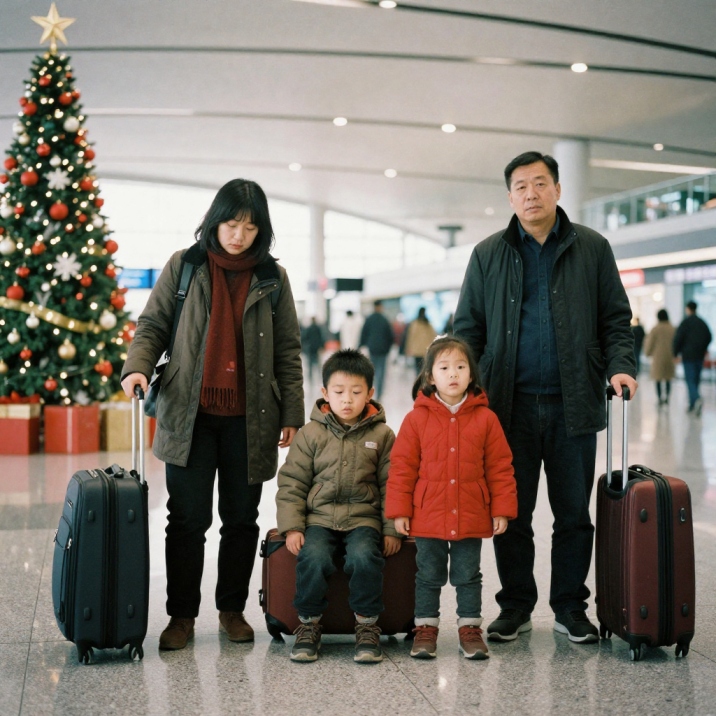
Travelers across Asia are facing a chaotic holiday season as a massive wave of flight disruptions sweeps through the region’s busiest hubs. Major airports in China, Japan, Thailand and Malaysia are currently struggling to manage thousands of stranded passengers. This crisis follows a staggering report of 55 flight cancellations and 2,113 delays involving carriers like Air China and Malaysia Airlines. In China, the impact is most severe in Beijing, Shanghai, Guangzhou and Chengdu, where departure boards are filled with red status updates. Meanwhile, Japanese aviation centers in Tokyo, Sapporo, Osaka and Fukuoka report similar operational hurdles. These delays have left families and tourists waiting for hours in crowded terminals. Further south, the situation remains critical in Kuala Lumpur, Phuket and Bangkok. High passenger volumes and local logistical strain have turned these tropical gateways into bottlenecks. Consequently, many travelers find themselves unable to reach their final destinations on time. This update provides a detailed look at the current status of the regional air network.
The operational strain has been felt most acutely at the primary infrastructure points that serve as the backbone for travel in Asia.
| Airport | Total Cancellations | Total Delays | Affected Airline(s) |
| Beijing Capital Int’l | 9 | 146 | Air China (9 cancellations, 75 delays) |
| Shanghai Pudong Int’l | 5 | 182 | China Eastern (3 cancellations, 55 delays), Shenzhen Airlines (2 cancellations, 0 delays) |
| Guangzhou Baiyun Int’l | 5 | 133 | China Southern Airlines (5 cancellations, 38 delays) |
| Chengdu Shuangliu Int’l | 4 | 53 | Air China (4 cancellations, 10 delays) |
| Haneda Airport | 12 | 279 | Air Do (5 cancellations, 22 delays), Japan Airlines (3 cancellations, 132 delays), All Nippon (3 cancellations, 73 delays), United Airlines (1 cancellation, 4 delays) |
| New Chitose | 7 | 119 | Air Do (3 cancellations, 12 delays), All Nippon (2 cancellations, 17 delays), Japan Airlines (1 cancellation, 37 delays), ANA Wings (1 cancellation, 7 delays) |
| Itami Airport | 1 | 55 | ANA Wings (1 cancellation, 15 delays) |
| Fukuoka | 5 | 70 | Oriental Air Bridge (3 cancellations, 2 delays), Japan Transocean Air Co. (2 cancellations, 4 delays) |
| Kansai Int’l | 2 | 103 | Malaysia Airlines (2 cancellations, 1 delay) |
| Kuala Lumpur Int’l | 3 | 526 | Malaysia Airlines (3 cancellations, 120 delays) |
| Phuket Int’l | 1 | 133 | S7 Airlines (1 cancellation, 0 delay) |
| Suvarnabhumi Bangkok Int’l | 1 | 314 | Jetstar (1 cancellation, 4 delays) |
In China, Beijing Capital International Airport has emerged as a focal point of the disruption, with a high concentration of flight cancellations. Similarly, Shanghai Pudong has seen its departure boards dominated by red status updates, leaving transit halls crowded with passengers seeking alternative routings.
In Japan, the situation is particularly critical at Tokyo Haneda and Narita International airports. As the primary gateway to the capital, Haneda has faced a significant volume of schedule modifications, creating a cascading effect across the national network. Further north, the winter gateway of Sapporo New Chitose has also reported substantial groundings, impacting those traveling for the festive season.
Southeast Asian hubs have not been spared. Suvarnabhumi Airport in Thailand has recorded hundreds of delays, reflecting a delay-dominant profile that has hampered regional movement. Meanwhile, in Malaysia, Kuala Lumpur International Airport is grappling with its own set of logistical hurdles, as the sheer volume of delayed departures suggests a significant strain on ground handling and gate availability. The congestion at these airports is compounded by the high passenger load factors typical of late December.
A wide array of prominent carriers is currently navigating a complex web of operational hurdles. In China, Air China has faced heavy disruption, combining a high number of cancellations with persistent delays across its major hubs in Beijing and Chengdu. Other Chinese carriers, including China Southern and China Eastern, have also been forced to trim their frequencies significantly.
The impact in Japan is being led by All Nippon Airways (ANA) and Japan Airlines (JAL). While these carriers serve as the backbone of the nation’s transit network, they have accounted for a large share of the total delays reported today. Regional operators and low-cost subsidiaries have also been affected; Jetstar Japan and various regional wings have had to adjust their rotations, leaving many budget-conscious travelers in a state of uncertainty.
In Malaysia, Malaysia Airlines is among the primary carriers identified in this travel disruption, with several flights being grounded or rescheduled at short notice. The regional low-cost giant Jetstar has also faced challenges, particularly on routes connecting Australia and Southeast Asia to North Asia. The cumulative effect of these airline-specific struggles has resulted in thousands of passengers being forced to adjust their itineraries, often with very little lead time.
The timing of these aviation setbacks is viewed as particularly sensitive due to the peak holiday rush. In cities like Tokyo and Bangkok, tourism-dependent businesses often expect their highest foot traffic during the final week of December. The accumulation of over 2,100 delays across Asia means that thousands of visitors are arriving significantly later than scheduled, which often translates into lost revenue for hotels, restaurants and tour operators.
In Thailand and Malaysia, where international tourism is a vital economic driver, the disruptions could lead to a dampened holiday spirit. Visitors who are stranded at airports are unable to participate in local festivities or check into their pre-booked accommodations. Furthermore, the cancellation of flights between China and Japan—two of the region’s most active travel markets—represents a significant loss in potential visitor spending. Industry experts suggest that the ripple effect of these delays may be felt well into the New Year, as travel confidence is momentarily shaken by the lack of schedule reliability.
For those currently caught in the midst of this aviation crisis, several steps are recommended to mitigate the impact on their travel plans. It is advised that all passengers check their flight status through official airline apps or website trackers before heading to the airport. In many cases, notifications are being sent via SMS or email, but proactive monitoring is encouraged due to the fast-moving nature of the updates.
- Rebooking and Refunds: Most impacted airlines, including Air China and Malaysia Airlines, are offering rebooking options or refunds for cancelled services. Passengers are encouraged to use digital self-service tools to avoid long queues at airport service desks.
- Documentation: Given the widespread nature of the disruptions, having the correct transit or entry documentation is essential. Travelers should ensure their visas and travel permits remain valid if their stay is involuntarily extended in China, Japan or other regional hubs.
- Compensation Claims: Passengers are reminded to keep records of all expenses incurred due to delays, such as meals or overnight accommodation, as these may be necessary for future compensation claims under local aviation regulations.
- Alternative Transport: In certain regions, particularly within China and Japan, high-speed rail may serve as a viable alternative for domestic or short-haul travel while the air networks remain congested.
As the situation continues to evolve across Asia, travelers are urged to remain patient and vigilant. The industry is currently working to restore order, but the sheer scale of the 55 cancellations and 2,113 delays suggests that a full return to normalcy may take several days.
-The information provided is sourced from FlightAware.