That road map for 2021 to 2025 placed particular emphasis on AI applications in supply chains; agriculture and forestry; medical and healthcare; smart cities and transport; and education and the public sector. Last year, the establishment of a National AI Office marked the government’s renewed commitment to building out Malaysia’s AI ecosystem, extending its focus to include micro, small and medium-sized enterprises.
Yet Malaysia’s AI journey is only just beginning. As the minister of science, technology and innovation has noted, only 13 per cent of smaller companies have adopted AI – despite them comprising 97 per cent of Malaysia’s businesses. The AI start-up scene is similarly nascent, with only a handful of fledgling firms harnessing machine learning, computer vision and robotics to create and commercialise new AI-powered solutions.
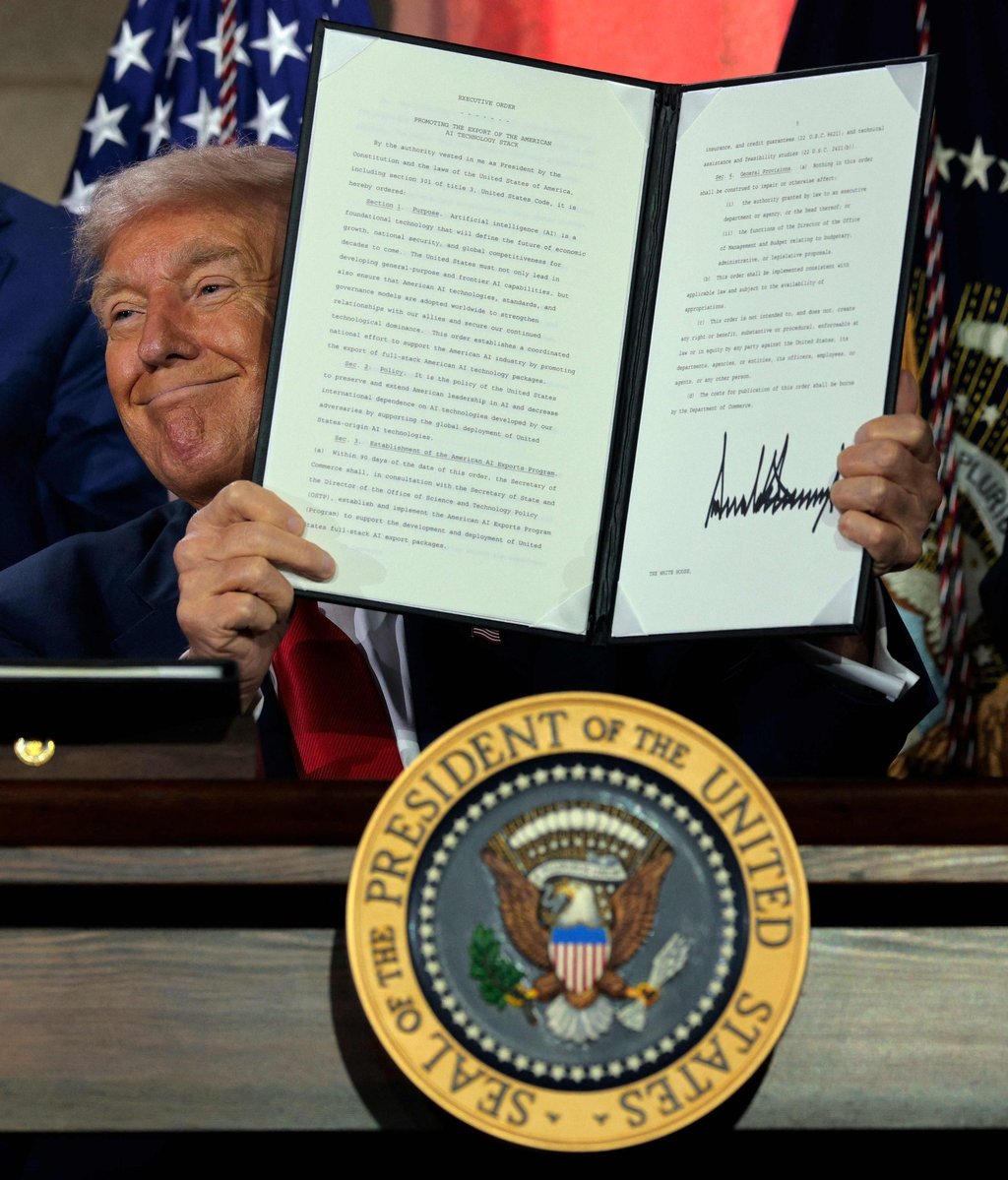
Efforts to curb semiconductor diversion to China already appear to be under way. On July 5, Bloomberg reported that the US Commerce Department intended to require export licences for Nvidia’s advanced AI chips bound for Malaysia and Thailand, aiming to block China from acquiring them through third countries or smuggling.
To date, no formal rule has been issued, but the proposed ban follows allegations that a Chinese company attempted to train AI models in Malaysian data centres using Nvidia chips. While Malaysian authorities are investigating, Nvidia has been allowed to resume exports from the US to China since last month as part of a trade deal involving access to rare earth minerals. How long this arrangement will last is uncertain, as is its impact on US concerns about chip transshipment through Southeast Asian countries like Malaysia.